Why choose a corded scanner over cordless in a warehouse?
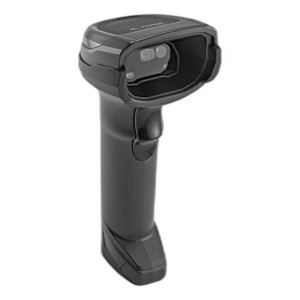
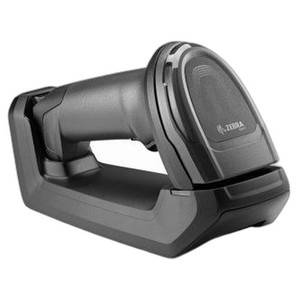
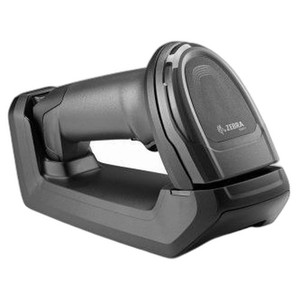
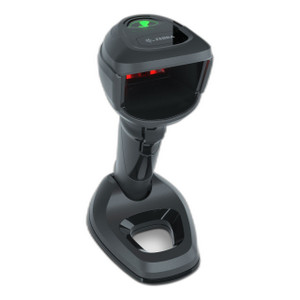
Corded scanners eliminate battery maintenance, charging infrastructure, and mid-shift power loss—critical in high-volume environments running 12+ hours/day. Total cost of ownership is 20–30% lower over 3–5 years when you account for battery replacements, chargers, and downtime. Wired scanners also provide consistent power for high-speed image processing in 2D environments. Choose corded for mission-critical receiving, sorting, and compliance workflows.
What's the difference between 1D and 2D barcode scanners?
1D scanners read horizontal lines (UPC, Code 128, EAN) and cost less but cannot read QR or Data Matrix codes; they work best for standardized retail/shipping labels. 2D imagers capture square and rectangular barcodes (QR, Data Matrix, PDF417) at any angle and handle damaged labels, making them essential for pharmaceutical traceability, serialization, and high-damage environments. 2D is more future-proof; 1D is adequate for purely UPC-based workflows.
How do I integrate a corded scanner into my WMS or ERP?
Corded scanners connect via USB (keyboard emulation or native drivers), RS-232 (legacy serial), or Ethernet (networked capture). USB is standard for modern Windows/Linux terminals; verify your WMS or PLC accepts keyboard input or supports native scanner protocol. Test integration with 2–3 sample scanners before purchasing 50+ units. Custom barcode-parsing middleware may be required for complex SKU formats or multi-code reads.
What IP rating do I need for my facility?
IP65 = dust and water-jet protected; suitable for dry/controlled warehouses. IP67 = submersion-proof up to 1m/30 min; required for food-processing, washdown docks, cold storage, and outdoor loading. Verify cable connectors match the scanner body rating—a water-resistant scanner with a standard USB cable defeats the purpose. Cold-storage and wet environments should specify IP67 minimum and budget for condensation testing during first 2 weeks.
How much does cable installation cost for a large corded scanner deployment?
Budget 3–7 days labor and $500–2,000 in conduit, junction boxes, and termination hardware per scanning station. Plan cable runs 4–6 weeks before hardware delivery. In large facilities (50+ scanners), negotiate volume pricing on conduit and connectors; use cable-management trays overhead to reduce labor and future maintenance. Avoid running excessive cable slack—longer tethers increase scanning error and create tripping hazards.
Can I upgrade from cordless to corded scanners mid-deployment?
Yes, but plan carefully: cordless fleets can coexist with corded for 3–6 months during transition. Migrate high-volume stations first (receiving, shipping) to corded, leaving cordless for mobile or temporary roles. Expect 2–3 weeks of parallel operation and staff retraining. Budget for cable infrastructure during transition; avoid mixing equipment on the same WMS workflow until migration completes, as interface mismatches cause data loss.