Viking Electronics PB-3-IP VoIP Emergency Phone Panic Button
Overview
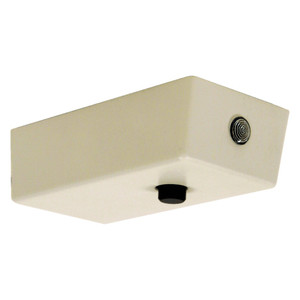
The PB-3-IP is a SIP-based emergency panic button designed to mount under a desk or countertop — exactly where a discreet, hard-wired alert device needs to be. A single Cat5/6 cable carries both power and data via PoE Class 1, drawing under 4 watts, so no separate power supply or dedicated circuit is required. When pressed, the PB-3-IP dials up to five emergency numbers sequentially and plays a user-recorded identification message — giving dispatch the room or location without any voice interaction from the person in distress. If you are evaluating Viking Electronics emergency communication devices for a multi-zone deployment, this model covers the under-desk and countertop mounting scenarios that standard wall phones cannot.
Key Features
- Single-Cable PoE Install: IEEE 802.3af Class 1 power delivery means the PB-3-IP runs entirely over your existing Cat5/6 infrastructure at under 4W — no electrician, no outlet, no junction box. That keeps installation cost low and the device invisible to anyone who shouldn't know it's there.
- 5-Number Sequential Dialing: The button dials up to five emergency destinations in order via SIP 2.0 (RFC 3261) — useful when your primary security desk may be unattended and a backup number or external PSAP needs to be reachable automatically.
- User-Recorded Location ID: The outbound call plays a recorded identification message (user-programmable) so security personnel know immediately which desk, counter, or zone triggered the alert — no guessing, no callback required.
- 86 dB SPL Local Alert: The onboard speaker reaches 86 dB SPL at 1 meter — loud enough to serve as a local audible alert in a standard office or retail environment without overwhelming adjacent workspaces.
- Wide Temperature Range: Rated from -40°F to 140°F (-40°C to 60°C) with 5–95% non-condensing humidity tolerance. This makes the PB-3-IP deployable in loading docks, warehouses, and parking-level security kiosks where temperature swings are real, not theoretical.
- Relay Output for Physical Integration: The 2A @ 30VDC / 250VAC relay output lets you trigger a door lock release, strobe, or other hardwired device simultaneously with the SIP call — useful when the panic response includes a physical action, not just a phone alert.
- Wideband Audio (G.722): Supports G.711u, G.711a, and G.722 codecs. G.722 wideband audio improves intelligibility on the receiving end — relevant when background noise at the installation site could muddy a narrowband call.
- 18-Gauge Steel Housing: The 0.048-inch steel enclosure with black fine-textured powder coat resists casual tampering and holds up to the physical stress of an under-desk or countertop installation over years of use.
- RJ45 + Gel-Filled Butt Connectors: The RJ45 10/100Base-T jack handles the network side; three gel-filled butt connectors provide a reliable, corrosion-resistant method for splicing field wiring — a practical detail for installations in humid or dusty environments.
Integration and Compatibility
The PB-3-IP connects to any SIP 2.0-compliant IP PBX or VoIP platform as a standard SIP endpoint — Cisco, Avaya, FreePBX, and most enterprise UC platforms qualify. No proprietary controller is required. The device appears on the network as a SIP phone, which means it can be provisioned through your existing PBX dial plan with no special licensing. For broader VoIP intercom and emergency phone deployments, this unit pairs naturally with access control panels that accept relay inputs, since the onboard relay output can trigger door hardware directly. Review your PoE switch port budget — at under 4W, the PB-3-IP is one of the lightest loads in the Class 1 category and will not strain a standard 802.3af port. CE, FCC Part 15, and ICES-003 Class A regulatory compliance means the device is cleared for commercial installation in North American and European markets without additional approvals.
Frequently Asked Questions
Q: Does the PB-3-IP require a dedicated IP PBX or will it work with a hosted VoIP service?
A: The PB-3-IP registers as a standard SIP 2.0 (RFC 3261) endpoint. It works with any SIP-compliant IP PBX — on-premise or hosted — provided the platform allows outbound dialing to the programmed emergency numbers.
Q: How many emergency numbers can the PB-3-IP dial, and in what order?
A: The PB-3-IP can be programmed to dial up to five emergency numbers sequentially. It steps through the list until a call connects.
Q: What PoE standard does the PB-3-IP require?
A: The PB-3-IP uses PoE Class 1 per IEEE 802.3af, drawing under 4 watts. Any standard 802.3af PoE switch port will power it — no 802.3at (PoE+) required.
Q: Can the PB-3-IP trigger a door lock or external alarm device?
A: Yes. The onboard relay output is rated at 2A @ 30VDC / 250VAC and can be wired to a door strike, magnetic lock, strobe, or other device to trigger a physical response simultaneously with the SIP call.
Q: Is the PB-3-IP rated for outdoor or harsh-environment use?
A: The operating temperature range is -40°F to 140°F with 5–95% non-condensing humidity tolerance, making it suitable for loading docks, parking structures, and similar environments. No IP ingress rating is listed in the evidence — confirm weatherproofing requirements before deploying in direct rain exposure.
Q: Where is the PB-3-IP typically mounted?
A: The PB-3-IP is designed for surface mounting under a desk or countertop — concealed from view but accessible to the person at that workstation. A video tutorial covering PB-3 mounting and installation is available from Viking Electronics.
The PB-3-IP is a well-scoped device for a specific problem: silent, location-identified emergency alerting over existing IP infrastructure. The sub-4W PoE Class 1 draw is the spec I keep coming back to — it means you can add these to a standard 802.3af switch without any power budget planning, and there is no separate circuit to pull. For any facility with an existing SIP PBX, the PB-3-IP is essentially a zero-infrastructure-cost add.
Technical Highlights:
- SIP 2.0 / RFC 3261 compliance: Registers as a native SIP endpoint — drop it into your dial plan like any desk phone. No proprietary gateway, no special licensing on most platforms.
- G.722 wideband codec support: Alongside G.711u/a, G.722 matters in high-ambient-noise environments (warehouses, loading docks) where narrowband audio would make the outbound call harder to understand at the dispatch end.
- 2A relay output: Rated at 30VDC / 250VAC — enough to drive a standard door strike or activate a strobe directly off the button press, without a separate relay module in the loop.
Deployment Considerations:
- The three gel-filled butt connectors handle field wire splices in humid or dusty environments without requiring weatherproof wire nuts — worth noting for loading dock or parking kiosk installs where standard connectors corrode.
- No IP ingress protection rating is documented. The wide temperature range covers harsh indoor and semi-sheltered environments, but do not install this in direct rain or wash-down zones without a weatherproof enclosure.
This device fits best in financial branch offices, hotel front desks, healthcare reception areas, and university advising offices where staff need a concealed, single-action way to summon help — and where the facility already runs a SIP PBX that can handle the outbound routing logic.