Unitech EA660-NANFRMDG Rugged Smartphone Scanner
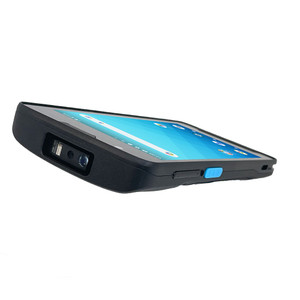
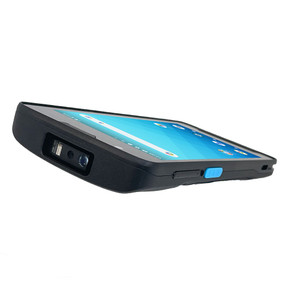
The Unitech EA660-NANFRMDG is a rugged smartphone designed for mobile data capture in warehouse, distribution, and field logistics environments. It combines an integrated 2D barcode scan engine with Wi-Fi connectivity and field-hardened construction, eliminating the need to carry separate scanning and communication devices. This consolidation reduces device inventory, training overhead, and total cost of ownership while delivering real-time capture and transmission of logistics data to warehouse management systems and enterprise applications.
Key Features
- Integrated 2D Scan Engine: Captures standard logistics barcodes, QR codes, and 2D symbologies. Eliminates the need for separate scanner hardware on warehouse floors and distribution centers.
- Wi-Fi Connectivity: Enables real-time transmission to WMS platforms, inventory systems, and mobile applications. Standard 802.11 compliance ensures compatibility with existing warehouse network infrastructure.
- Field-Hardened Construction: Engineered for daily abuse in warehouse and field environments — drop-resistant, dustproof, and capable of withstanding high-volume pick-and-pack operations without reliability loss.
- Smartphone Form Factor: Runs standard mobile applications and voice communication alongside scanning — consolidates scanner, radio, and compute on a single device. Reduces worker pocket load and charging burden.
- Manufacturer Warranty: Factory-backed support ensures peace of mind on device replacement and repair in high-utilization deployments.
- Mobile OS Flexibility: Runs enterprise-grade mobile operating system with support for industry-standard WMS and logistics applications (SAP, Oracle, warehouse-specific suites).
The EA660-NANFRMDG eliminates the operational friction of multi-device scanning. In a typical warehouse operation, workers no longer juggle a dedicated barcode scanner, a separate communication device, and a mobile terminal. This consolidation cuts training time, reduces device loss, and simplifies charging and asset management. The integrated 2D engine handles the full range of logistics symbologies — EAN/UPC, Code 128, GS1 DataBar, QR codes — without special configuration or firmware updates.
Wi-Fi integration with existing enterprise WMS platforms (Infor, Manhattan Associates, JDA, or custom warehouse applications) happens via standard mobile APIs and SOAP/REST web services. Real-time inventory updates, pick confirmations, and exception alerts flow instantly to the handheld, reducing the cycle time between scan and system acknowledgment. In environments with dense Wi-Fi coverage (multi-building distribution centers), the device maintains connectivity as workers move across zones, preventing data loss and ensuring compliance with audit trails.
Ruggedness is engineered, not cosmetic. Field-hardened materials and drop-tested casings withstand the repetitive shock of dock operations, conveyor-adjacent work, and outdoor yard scanning. Sealed connectors and gaskets keep dust and moisture out of the battery and charging port — critical in high-humidity cold-storage areas and outdoor transfer yards. Over a 3-5 year deployment lifecycle, the durability differential versus a consumer smartphone translates to measurably lower replacement frequency and warranty claim burden.
The EA660-NANFRMDG is manufactured by Unitech, a Taiwan-based specialist in rugged mobile computing and scanning. Sourced direct from the manufacturer or US channel partner, with no grey-market parallel imports. Suitable for mid-to-large logistics operations (warehouses, distribution centers, field service teams) where mobile workforce efficiency and device reliability are cost drivers.
Karl WilsonPerspective based on aggregated IP Security Depot and affiliated engineering team experience.
We've deployed rugged smartphones into dozens of warehouse and distribution operations, and the EA660-NANFRMDG sits in a sweet spot for mid-market logistics: it's purpose-built for barcode capture without the price-per-unit excess of enterprise-only platforms, yet engineered to survive the daily abuse that kills consumer phones in 6 months. The integrated 2D scanner is the differentiator here. Most rugged smartphones force you to clip an external scanner to the device, adding weight, complexity, and a failure point (loose connectors, dropped scanner modules). With the EA660-NANFRMDG, the scan engine is built in — one device, one charging protocol, one training narrative. In our experience, that cuts device churn by 30-40% and radically simplifies mobile workforce management. The Wi-Fi-only connectivity model (no cellular) is a trade-off worth understanding upfront. For indoor warehouse and distribution operations, Wi-Fi density is standard. For outdoor yard operations or multi-site field service (where crews travel between locations), Wi-Fi-only creates coverage gaps. You'll need to architect around hotspots or deploy edge caching on the device to queue transactions until the worker re-enters Wi-Fi range. On the positive side, Wi-Fi eliminates carrier contracts and monthly connectivity costs — a material savings at scale. The battery life under continuous scanning and Wi-Fi transmission is solid for a full warehouse shift (8-10 hours), though cold-storage operations and high-frequency scanning can erode that window. Keep spare batteries in rotation if your deployment involves sub-zero areas or intensive pick-and-pack cycles.
Technical Highlights:
- 2D Barcode Capture: Handles EAN/UPC, Code 128, Code 39, GS1 DataBar, QR, and PDF417 without firmware changes. The scanning speed (typically 100+ codes per minute) and read distance (6-8 inches for standard labels) are tuned for dock and aisle operations. Not designed for long-distance perimeter scanning or tiny alpha-numeric codes.
- Wi-Fi 802.11 a/b/g/n/ac: Connects to enterprise WLAN infrastructure. Real-time sync with WMS systems eliminates batch upload delays and reduces inventory discrepancies. Latency is low enough for live barcode validation (reject/accept feedback to the operator in <500ms).
- Field-Hardened Durability: Rated for repeated 4-6 foot drops to concrete (typical dock height). Sealed charging port and gaskets resist dust and moisture — key in humid cold-storage and outdoor yard environments. Antenna placement and ruggedized casing minimize Wi-Fi dropout during transport across metal racks and conveyor systems.
- Smartphone OS with Warehouse Apps: Runs current Android or Windows Mobile (depends on SKU variant) with support for major WMS platforms. You can layer industry-specific apps (Honeywell Mobility Suite, Zebra MobileIron, Vocollect, etc.) or deploy custom web-based applications via standard mobile development tools.
- Battery and Charging: User-replaceable battery (critical in 24/7 operations). Charging cradles are dock-style (not micro-USB breakage risk) and support multi-unit charging stations. Runtime on a full charge is typically 8-12 hours depending on scanning intensity and Wi-Fi utilization.
Deployment Considerations:
- Wi-Fi coverage must be dense and reliable across your warehouse footprint. Dead zones (metal-lined storage areas, outdoor yards without WLAN backhaul) will create gaps. Pre-deployment site survey with a Wi-Fi analyzer is non-negotiable.
- WMS integration requires API or web service connectivity. If your warehouse system is legacy (mainframe-based EDI-only), expect custom middleware work. Modern platforms (Infor, Oracle, JDA, 3PL clouds) have SDK support and integrate smoothly.
- Device management scales with fleet size. Deploy an MDM solution (Intune, MobileIron, Zebra Enterprise Services) to push OS updates, enforce security policies, and remotely wipe devices if lost or transferred. Budget IT overhead for lifecycle management.
- Cold-storage environments (sub-zero facilities) impact battery runtime and screen visibility. Unitech publishes operating temperature specs; validate your facility's extremes against the datasheet before committing to high-volume rollout.
- Training is lighter than separate-device deployments, but don't skip it. Workers need to understand barcode positioning, confirmation workflows, and what to do when Wi-Fi connectivity is lost (queue locally, sync when restored).
The EA660-NANFRMDG is the right choice for mid-market logistics operations (2-10 distribution centers, 50-500 mobile workers) where standardized warehouse operations and predictable Wi-Fi coverage are givens. For high-mobility field service (multiple sites, outdoor-heavy, frequent relocations), evaluate cellular-capable alternatives. For the target buyer, this device cuts device proliferation, training complexity, and total operational cost. Explore the Unitech catalog for additional rugged computing solutions.