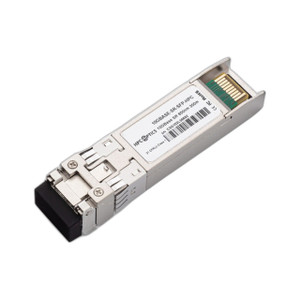
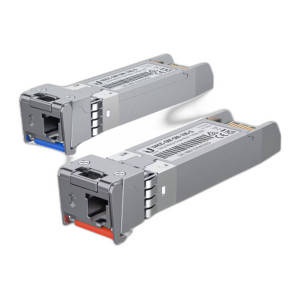
Ubiquiti UACC-OM-SM-10G-D-2 10G Single-Mode SFP+ Transceiver
Overview
The Ubiquiti UACC-OM-SM-10G-D-2 is a single-mode fiber SFP+ transceiver purpose-built for 10 Gbps backbone and long-distance site interconnection. Operating at 1310 nm wavelength, it delivers reliable 10 Gbps throughput over distances up to 10 kilometers—eliminating the distance constraints of multimode fiber and copper runs without requiring expensive long-haul optics. The transceiver draws only 1 W of power, so it won't stress your switch's thermal budget. Duplex LC UPC connectors follow industry-standard fiber plant conventions, meaning integration with existing patch panels and fiber runs is straightforward.
Key Features
- 10 Gbps throughput at 1310 nm wavelength: Single-mode transmission eliminates modal dispersion, so you get clean, fast data over long distances without signal degradation—critical when linking geographically distributed surveillance or network infrastructure.
- 10 km maximum range: Covers campus-scale and metro-area deployments without requiring repeaters or signal regeneration. Avoids the cost and complexity of separate long-haul chassis.
- SFP+ and SFP slot compatibility: Plugs directly into SFP+ ports on Ubiquiti UniFi and UISP switching and routing gear. No separate interface cards or firmware updates needed; hot-swap installation.
- LC UPC duplex connectors: Standard fiber termination aligns with enterprise-grade patch panels, structured cabling, and third-party fiber plant. Swapping in replacement or competing transceivers later is frictionless.
- 1 W maximum power consumption: Minimal thermal footprint reduces switch cooling requirements and power distribution complexity on PoE or DC-fed infrastructure.
- 0–70°C operating range: Suitable for climate-controlled data centers and network closets; not rated for outdoor fiber cabinets exposed to extreme heat or cold without environmental enclosures.
- CLASS 1 LASER PRODUCT (IEC/EN 60825-1:2014): Eye-safe under normal operation; standard fiber safety protocols apply. Never view fiber ends while powered.
Integration & Compatibility
The UACC-OM-SM-10G-D-2 integrates into network switches, routers, and telecom platforms featuring SFP+ or SFP interface slots across the Ubiquiti UniFi and UISP product lines. Backward compatibility with standard SFP slots means you can deploy this module into existing deployments without hardware replacement. Single-mode fiber patch cables (sold separately) terminate at the LC UPC connector; standard civilian and military fiber vendors stock LC patch stock, so procurement is uncomplicated. This transceiver is vendor-neutral for fiber plant—no lock-in to proprietary connectors or wavelengths.
When to Choose a Different Module
If your backbone runs under 300 meters and relies on multimode fiber already deployed, a multimode SFP+ transceiver (UACC-OM-MM-10G) will be cheaper and simpler. If you need distances beyond 10 km—say, 40+ km campus or long-haul circuits—explore 1550 nm long-haul transceivers or dedicated long-reach optics from Ubiquiti or third-party suppliers. For 1 Gbps speeds over single-mode fiber to keep cost down, consider 1000BASE-LX SFP modules instead.
Deployment Considerations
Single-mode fiber requires careful handling and professional termination; patch cables must be ordered to exact length to avoid slack runs that encourage bending losses. Install the transceiver in a stable indoor environment; outdoor fiber cabinets exposed to temperature swings above the 0–70°C rating may shorten module life. Test continuity and loss budgets before committing to production links to avoid surprise outages. Keep spare transceivers on hand—replacement lead times can exceed availability on active backbone segments.
FAQ
Q: Can I use the UACC-OM-SM-10G-D-2 with single-mode fiber I already have installed?
A: Yes. The transceiver terminates at a standard LC UPC duplex connector, so it works with any properly terminated single-mode fiber patch cable or plant-installed fiber that also uses LC UPC termination. Ensure fiber is rated for 1310 nm and check attenuation budgets for your distance.
Q: What's the maximum distance I can run with this transceiver?
A: The UACC-OM-SM-10G-D-2 is rated to 10 kilometers. Beyond that, you'll encounter signal attenuation and dispersion penalties; use a long-haul transceiver or regeneration equipment.
Q: Is single-mode fiber harder to install than multimode?
A: Single-mode requires tighter tolerances during termination and patching. If you're not experienced with fiber, budget for professional termination and testing to avoid crosstalk and loss.
Q: Will this transceiver work in an outdoor fiber enclosure?
A: The module itself is rated 0–70°C, so outdoor cabinets exposed to freezing or high heat will shorten its lifespan. Install it in climate-controlled network closets or data centers. Extend connectivity outdoors using single-mode fiber runs and place the transceiver indoors.
Q: Can I mix this single-mode transceiver with multimode fiber?
A: No. The UACC-OM-SM-10G-D-2 is optimized for single-mode fiber only. Coupling to multimode will incur high modal losses and won't achieve rated throughput or range.
Ted PerryPerspective based on aggregated and affiliated engineering team experience.
The UACC-OM-SM-10G-D-2 is a no-nonsense backbone transceiver. If you're running UniFi or UISP and need to push 10 Gbps over single-mode fiber without the cost and complexity of long-haul optics, this module delivers exactly what it promises: 10 kilometers of clean, low-power connectivity.
Technical Highlights:
- 1310 nm single-mode operation: Eliminates modal dispersion over long distances. At 10 km, you get the throughput of a shorter multimode run without attenuation penalties—critical when linking edge sites back to a central recording or data facility.
- 1 W power draw: Switch power budgets matter at scale. A 1 W transceiver won't trigger thermal fans or strain 48-port PoE budgets; compare that to higher-power long-haul modules drawing 3–5 W.
- LC UPC standard termination: Your fiber plant doesn't depend on Ubiquiti proprietary connectors. Replacement or competing transceivers are drop-in swaps if you ever need to migrate or diversify vendors.
Deployment Considerations:
- Single-mode fiber termination requires discipline. Loose coils, pinches, or sharp bends introduce microbending loss that won't show up in a simple continuity test. Invest in professional splicing and testing.
- The 0–70°C operating range is a hard ceiling. Outdoor fiber cabinets exposed to seasonal extremes will degrade transceiver lifespan; keep the module indoors and run fiber out to remote locations.
Best fit: campus backbone links (1–10 km) connecting distributed surveillance hubs, redundant network closets, or remote data collection nodes where multimode fiber isn't available or where you're consolidating fiber plant onto single-mode standards. Avoid if your run is under 300 m and multimode is already installed—the cost and complexity trade-off doesn't justify it.