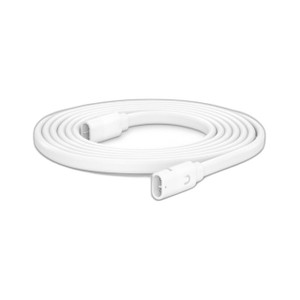
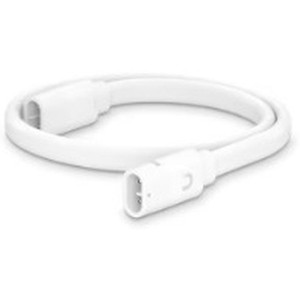
Ubiquiti UACC-CABLE-PT-50M 50-Meter All-Weather DC Power Cable
The UACC-CABLE-PT-50M is a 50-meter DC power distribution cable built for outdoor installations where standard shorter runs won't reach. This is an accessory designed specifically for Ubiquiti power transport systems and compatible infrastructure, serving integrators deploying outdoor IP cameras, wireless access points, and distributed network equipment across extended distances.
Key Features
- 50-meter length: Eliminates the need for daisy-chained shorter cables or mid-span power injectors on many outdoor deployments. A single 50m run covers typical perimeter installations, tower mounts, and remote antenna sites without voltage drop concerns on low-power DC circuits.
- UV-resistant jacket: Blocks ultraviolet degradation, critical for cables routed outdoors without conduit. Standard PVC jackets yellow, crack, and fail within 12–24 months under direct sunlight; UV-stabilized materials extend service life to 5+ years depending on climate intensity.
- All-weather design: Engineered to tolerate temperature swings, moisture, and salt spray without internal corrosion or connector oxidation — matters in coastal, high-humidity, or freeze-thaw climates where copper degradation at connectors is the leading cause of field failures.
- Male power transport connectors at both ends: Matches Ubiquiti's proprietary power transport ecosystem, ensuring reliable mating and lock-in without adapters. Proprietary connectors prevent cross-compatibility mishaps common with generic barrel connectors.
- Outdoor infrastructure integration: Designed for UISP (Ubiquiti Integrated Service Platform) architectures and enterprise outdoor network deployments where centralized power distribution feeds multiple remote endpoints.
- Perimeter and tower-mount ready: 50 meters spans from a ground-level power distribution cabinet to a rooftop antenna array or fence-line camera cluster without intermediate power supplies or voltage regulation headaches.
Integration & Compatibility
The UACC-CABLE-PT-50M (often searched as UACC CABLE PT 50M) integrates directly into Ubiquiti power transport systems and UISP deployments. Male connectors at both ends connect to compatible female receptacles on power supplies, distribution panels, and compatible outdoor equipment. This cable is not a substitute for Ethernet or PoE cables — it is a dedicated DC distribution line, so verify your power delivery architecture before ordering.
When to Choose a Different Model
If you need a shorter run (under 30 meters), Ubiquiti offers shorter variants in the same accessory family that may offer cost savings. If you require inline monitoring, surge protection, or integrated terminal blocks for field-spliced connections, consult a power supply or distribution panel that includes those features. For PoE-based power delivery to cameras (802.3af or 802.3at), an PoE switch may eliminate the need for a separate DC transport cable altogether.
Frequently Asked Questions
Q: Will a 50-meter DC cable cause voltage drop?
A: Voltage drop depends on amperage and wire gauge. Ubiquiti's power transport architecture is designed for low-current DC distribution (typically under 2A per line), so a 50-meter run should not incur problematic drop. Verify the current draw of your endpoint equipment and consult Ubiquiti's installation guides for your specific power supply model.
Q: Can I use the UACC-CABLE-PT-50M with non-Ubiquiti equipment?
A: No. The proprietary male power transport connectors on this cable are Ubiquiti-specific. Adapting to other connector types would require an adapter (not supplied) and would void any integration warranty. Use this cable only in Ubiquiti ecosystems.
Q: Is the cable sunlight-safe for outdoor routing without conduit?
A: Yes — the UV-resistant jacket is designed for direct outdoor exposure. However, if the cable will be in extreme-sun climates (high-altitude, equatorial, or reflective surfaces) for 5+ years, consider running it through conduit for additional protection.
Q: What is the maximum operating temperature range?
A: Ubiquiti outdoor power cables typically operate from –40°C to +60°C. Confirm the exact rating with Ubiquiti's technical documentation for your regional deployment.
Ted PerryPerspective based on aggregated IP Security Depot and affiliated engineering team experience.
The UACC-CABLE-PT-50M solves a real problem in outdoor infrastructure: getting power from a central cabinet to a distant antenna, camera cluster, or access point without daisy-chaining shorter cables or introducing intermediate voltage regulators. At 50 meters, this cable bridges the gap between what shorter patch cables can handle and the cost/complexity of a secondary power cabinet in the field. The UV-resistant jacket is non-negotiable for outdoor deployments — standard PVC fails fast in sunlight, and replacing a cable that's routed through conduit on a tower is an expensive service call.
Deployment Considerations:
- Connector ecosystem lock-in: The proprietary power transport connectors mean you cannot repurpose this cable with standard DC barrels or Anderson connectors. That's a feature (prevents wiring errors) and a limitation (you need Ubiquiti-compatible endpoints). Plan your power architecture around Ubiquiti's ecosystem before ordering.
- Current capacity is the real limiter: A 50m DC run works fine at 1–2A (typical for individual access points or low-power cameras). If you're trying to push 10A+ through this cable, voltage drop will bite you — either move the power supply closer or step up to a heavier gauge cable in a shorter run.
- Temperature swings in outdoor conduit: If the cable sits in direct sun inside metal conduit, internal temperatures can exceed 70°C in summer. Ubiquiti rates these to 60°C; thermal management (shade or vented conduit) extends service life in extreme climates.
This cable is the right choice for integrators building out Ubiquiti-based perimeter or distributed outdoor networks where a single 50-meter DC feed eliminates complexity and field power splitters. It's not a universal solution — confirm connector compatibility and current requirements before committing.