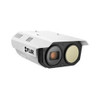
FLIR 427-0102-31-00S FLIR Triton FH-669 ID - 9MM <9HZ
When perimeter security demands positive identification at extended ranges in complete darkness, thermal imaging becomes non-negotiable. The FLIR Triton FH-669 ID addresses the challenge of differentiating between actual threats and nuisance alarms across long-distance perimeters where visible light cameras fail. This thermal identification camera delivers the resolution and sensitivity needed for security operators to make confident decisions before deploying response teams.
Key Features
- 9mm thermal lens configuration optimized for identification-class detection at perimeter distances
- Sub-9Hz refresh rate compliant with export regulations for international deployments
- FLIR Triton FH-Series platform designed for fixed-position perimeter surveillance applications
- Thermal imaging eliminates dependence on ambient lighting and defeats common camouflage techniques
- Identification-class performance enables operators to distinguish human features and classify threats
- Rugged environmental housing suitable for continuous outdoor operation in harsh conditions
The 9mm lens strikes a balance between field of view and identification range, making this configuration appropriate for facilities requiring threat assessment beyond detection-only capabilities. The sub-9Hz frame rate meets compliance requirements for installations in controlled export environments while maintaining operational effectiveness for security monitoring. Integration into existing VMS platforms follows standard IP camera workflows, though confirm thermal stream compatibility with your recording infrastructure during system design.
Deploy the Triton FH-669 ID where perimeter security protocols require visual confirmation before escalation—critical infrastructure sites, detention facilities, restricted government installations, or industrial campuses with long fence lines. Thermal identification capabilities reduce false dispatch rates compared to motion-only detection systems, particularly in environments with wildlife activity or challenging weather conditions. Pair with visible-light PTZ cameras for corroborating evidence collection when thermal detection triggers require investigation.