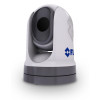
FLIR 427-0102-32-00 Triton FH-644 ID Thermal Imaging Camera - 13mm Lens
When perimeter security demands positive identification at distance in complete darkness, the Triton FH-644 ID delivers thermal imaging performance designed for critical infrastructure and commercial facility protection. The 13mm lens configuration balances detection range with situational awareness, making this platform suitable for medium to long-range surveillance applications where visible cameras fail.
Key Features
- 640x480 thermal sensor resolution provides clear imaging for human detection and identification
- 13mm fixed focal length lens optimized for medium-range perimeter surveillance
- Thermal imaging technology maintains performance through darkness, smoke, light fog, and dust
- Rugged outdoor-rated enclosure built for continuous operation in harsh environments
- Standard network connectivity enables integration with existing VMS platforms
- Advanced thermal processing delivers detailed images for forensic review and real-time assessment
- Suitable for critical infrastructure, industrial facilities, and high-security commercial deployments
The Triton FH-644 ID series addresses the core challenge of perimeter security: maintaining positive identification capability regardless of lighting conditions. Thermal sensors detect heat signatures rather than reflected light, eliminating the vulnerabilities of conventional cameras during nighttime hours or in visually obscured conditions. The 640x480 resolution sensor provides sufficient detail for personnel identification at operationally relevant distances, while the 13mm lens delivers a field of view appropriate for monitoring fence lines, vehicle access points, and building perimeters without requiring excessive camera counts.
Integration follows standard IP camera protocols, allowing the FH-644 ID to function within existing network video infrastructure. The thermal video stream provides complementary coverage to visible cameras, creating a layered security approach where conventional cameras handle daytime identification and forensic detail while the thermal unit maintains continuous threat detection capability. For applications including power substations, manufacturing campuses, distribution centers, and government facilities, this configuration reduces security gaps inherent in lighting-dependent systems while maintaining manageable installation complexity and ongoing operational costs.