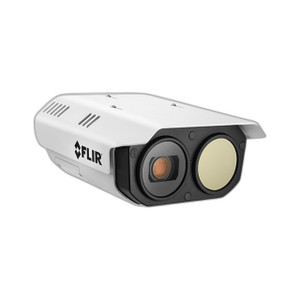
FLIR 427-0102-22-00 FH-644 R 13MM Thermal Security Camera
When perimeter security demands 24/7 threat detection regardless of lighting conditions, thermal imaging provides the reliable solution that visible-light cameras cannot match. The FLIR FH-644 R with 13mm lens delivers consistent thermal surveillance for commercial facilities, critical infrastructure, and industrial sites where darkness, glare, and adverse weather routinely compromise traditional camera systems.
Key Features
- Thermal imaging technology detects heat signatures in complete darkness without supplemental lighting
- 13mm lens configuration provides mid-range surveillance coverage for perimeter and facility monitoring
- Weatherproof housing designed for continuous outdoor operation in harsh environments
- Detects human and vehicle targets through light fog, smoke, and dust that obscure visible cameras
- Reduces false alarms by distinguishing actual threats from vegetation movement and lighting changes
- Network-ready design integrates with VMS platforms and existing security infrastructure
- Lower total cost of ownership compared to illuminated perimeter systems requiring multiple light sources
Thermal cameras solve fundamental challenges that visible-light systems cannot address. This unit sees heat differential rather than reflected light, making it equally effective at noon or midnight. The 13mm lens balances detection range with situational awareness, suitable for monitoring building perimeters, parking areas, and access points where you need reliable intrusion detection without installing costly lighting infrastructure. Integration follows standard network video protocols, allowing deployment alongside existing camera systems while providing a complementary detection layer that operates when visible cameras struggle.
The FH-644 R configuration addresses installations requiring dependable detection in environments where lighting is impractical, cost-prohibitive, or operationally undesirable. Facilities with large perimeters benefit from thermal's ability to detect movement at extended ranges, while the weatherproof construction ensures operation through seasons of temperature extremes and precipitation. This approach reduces security gaps during overnight hours and weather events that traditionally create vulnerabilities in visible-light surveillance systems.