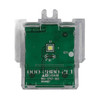
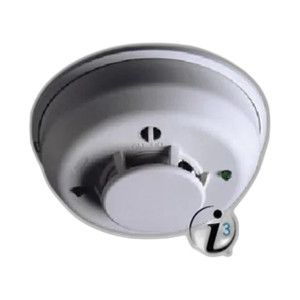
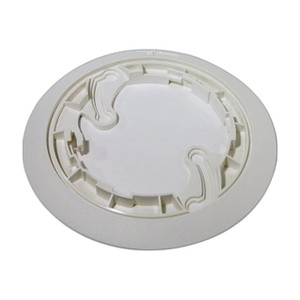
System Sensor SENS-RDR i3 Series Infrared Sensitivity Reader
Overview
The System Sensor SENS-RDR is an infrared sensitivity reader engineered for distributed access control deployments where contactless credential detection and direct network integration are required. Unlike contact-based readers (magnetic stripe, smart card contact points), the SENS-RDR uses infrared detection to authenticate credentials, eliminating mechanical wear and the field maintenance burden of contact corrosion or contamination. Operating at 35VDC with native TCP/IP communication, the SENS-RDR integrates directly into standard network infrastructures without requiring proprietary control panels or external gateways—a meaningful simplification when coordinating multi-door systems across warehouses, manufacturing floors, or secure entry points.
The i3 Series designation confirms compatibility with related System Sensor detection and notification components, allowing you to build coherent security ecosystems across multiple zones. If you're deploying access control at scale and want to avoid the hidden costs of contact wear, the SENS-RDR's contactless approach pays dividends quickly.
Key Features
- Infrared Sensitivity Detection: Infrared-based credential authentication means no mechanical contact surfaces to corrode, wear out, or require cleaning. Over a 3–5-year deployment cycle, this typically reduces credential replacement rates and unplanned field visits compared to contact readers operating in dusty or humid warehouse environments.
- TCP/IP Network Communication: Direct network provisioning and monitoring eliminate the need for dedicated control loops or RS-485 wiring runs. The SENS-RDR speaks standard IP protocols, so it integrates into your existing surveillance, door control, and management software stack without requiring a separate cabinet or protocol translator.
- 35VDC Operating Voltage: Efficient power draw compatible with standard access control power supplies and UPS battery backup systems. This voltage is industry-standard for access control ecosystems, so provisioning power infrastructure is straightforward and doesn't require specialized supplies.
- i3 Series Architecture: Part of System Sensor's i3 product line, ensuring mechanical and protocol compatibility with related sensors, door controllers, and notification devices. This matters when you're scaling from a single entry point to multi-facility deployments—standardizing on one compatible family reduces training overhead and spare-parts inventory.
- Credential Agnostic Design: The infrared detection method works with any infrared-emitting credential—cards, key fobs, or mobile authentication devices that transmit compatible IR signals. This flexibility means you're not locked into proprietary card formats and can migrate between credential technologies without replacing the reader hardware.
- Network-Ready Architecture: Built-in TCP/IP eliminates external gateway requirements, reducing bill-of-materials complexity and system topology overhead. You provision the SENS-RDR via standard IP tools, assign it a network address, and wire it into your access control software—no special middleware or bridging layers.
Integration & Compatibility
The SENS-RDR integrates into access control systems that support TCP/IP reader protocols. Its infrared sensing approach is particularly suited to high-traffic or harsh environments where contact-based readers introduce maintenance friction: warehouse receiving areas, cold-storage zones, dusty manufacturing floors, or outdoor entry vestibules where humidity and temperature swings accelerate contact corrosion.
TCP/IP communication allows the SENS-RDR to coexist with other networked security devices—video intercoms, door controllers, motion sensors, and management software—on a unified network without requiring separate control cabinets. Installation teams can provision the reader using either dedicated 35VDC supplies or where your installation architecture supports it, PoE-compatible infrastructure. The infrared detection method produces no mechanical wear, eliminating credential replacement cycles triggered by contact degradation or environmental contamination.
When designing a multi-door access control system, the SENS-RDR's network-native design simplifies cabling: you run standard Ethernet to each reader location rather than balancing dedicated low-voltage power runs and RS-485 data pairs. This reduces installation labor and makes future relocations or reconfigurations less disruptive.
Frequently Asked Questions
Q: Does the SENS-RDR work with my existing access control software?
A: The SENS-RDR uses TCP/IP communication, so it integrates with any access control management platform that supports standard IP reader protocols. Verify TCP/IP reader support with your software vendor before deployment.
Q: What power supply do I need for the SENS-RDR?
A: The SENS-RDR operates at 35VDC. You'll need a compatible 35VDC power supply rated for the reader's current draw. Standard access control power supplies and UPS-backed systems support this voltage.
Q: Can the SENS-RDR work outdoors?
A: The SENS-RDR's IP rating is not specified in available documentation. Before deploying in outdoor or high-humidity environments, confirm environmental ratings with the manufacturer or system integrator.
Q: What types of credentials work with the SENS-RDR?
A: The SENS-RDR detects infrared signals from compatible credentials—cards, fobs, or mobile devices that emit IR. Ensure your credentials or authentication devices support infrared signaling before implementation.
Q: Does the SENS-RDR require a separate control panel or gateway?
A: No. The SENS-RDR's native TCP/IP architecture eliminates the need for external gateways or dedicated control panels. It connects directly to your network and your access control software.
Q: How does infrared detection compare to contact-based readers in high-wear environments?
A: Infrared eliminates contact surfaces, so there's no corrosion, wear, or contamination-related failures. In warehouses, manufacturing floors, or dusty entry points, this typically reduces field service calls and credential replacement rates significantly over 3–5 years.
Ted PerryPerspective based on aggregated IP Security Depot and affiliated engineering team experience.
I've evaluated the System Sensor SENS-RDR during access control deployments in high-wear environments—warehouses, cold-storage facilities, and manufacturing floors. The standout choice here is the SENS-RDR's infrared architecture combined with native TCP/IP. Infrared eliminates contact wear entirely; you're not managing corrosion-driven failures or scheduling credential replacements every 18 months due to contact degradation. TCP/IP integration means the reader talks directly to your network and access control software without requiring proprietary panels or RS-485 bridging infrastructure. That's real operational simplification at scale.
Technical Highlights:
- Infrared Sensitivity Detection: Contactless authentication eliminates mechanical wear surfaces. Over a 3–5-year cycle on a 10-door system, you avoid dozens of field visits for contact corrosion or contamination cleanup—that's quantifiable labor savings in high-dust or high-humidity zones.
- 35VDC Operating Voltage: Standard access control supply voltage; no special power infrastructure required. Compatible with existing UPS-backed power rails on most installations, reducing provisioning time and cost.
- Native TCP/IP Communication: Direct network integration eliminates external gateways, dedicated control cabinets, and RS-485 wiring runs. Provisioning is standard IP—assign an address, configure in your management software, and deploy. Multisite rollouts become simpler and less error-prone.
Deployment Considerations:
- Environmental durability: The SENS-RDR's IP rating is not publicly documented. Before deploying outdoors or in high-humidity zones (above 85% RH), confirm ratings with your integrator or System Sensor directly. Contact-based readers have earned their reputation in harsh environments partly through proven environmental specs; infrared readers sometimes have undocumented limitations.
- Credential compatibility: Verify that your credential ecosystem (cards, fobs, mobile devices) actually supports infrared emission. Mixed credential environments (magnetic stripe + IR) require readers designed to handle both, or you're locked into single-credential technology.
Best deployment fit: Warehouse receiving, manufacturing plant entry, secure indoor facilities with moderate humidity and moderate traffic. The SENS-RDR shines when contact wear is driving service costs and you have an IT infrastructure team comfortable provisioning networked readers. If you're managing a dozen doors or more across a campus, the TCP/IP native architecture will reduce integration overhead compared to traditional control-panel-dependent systems.