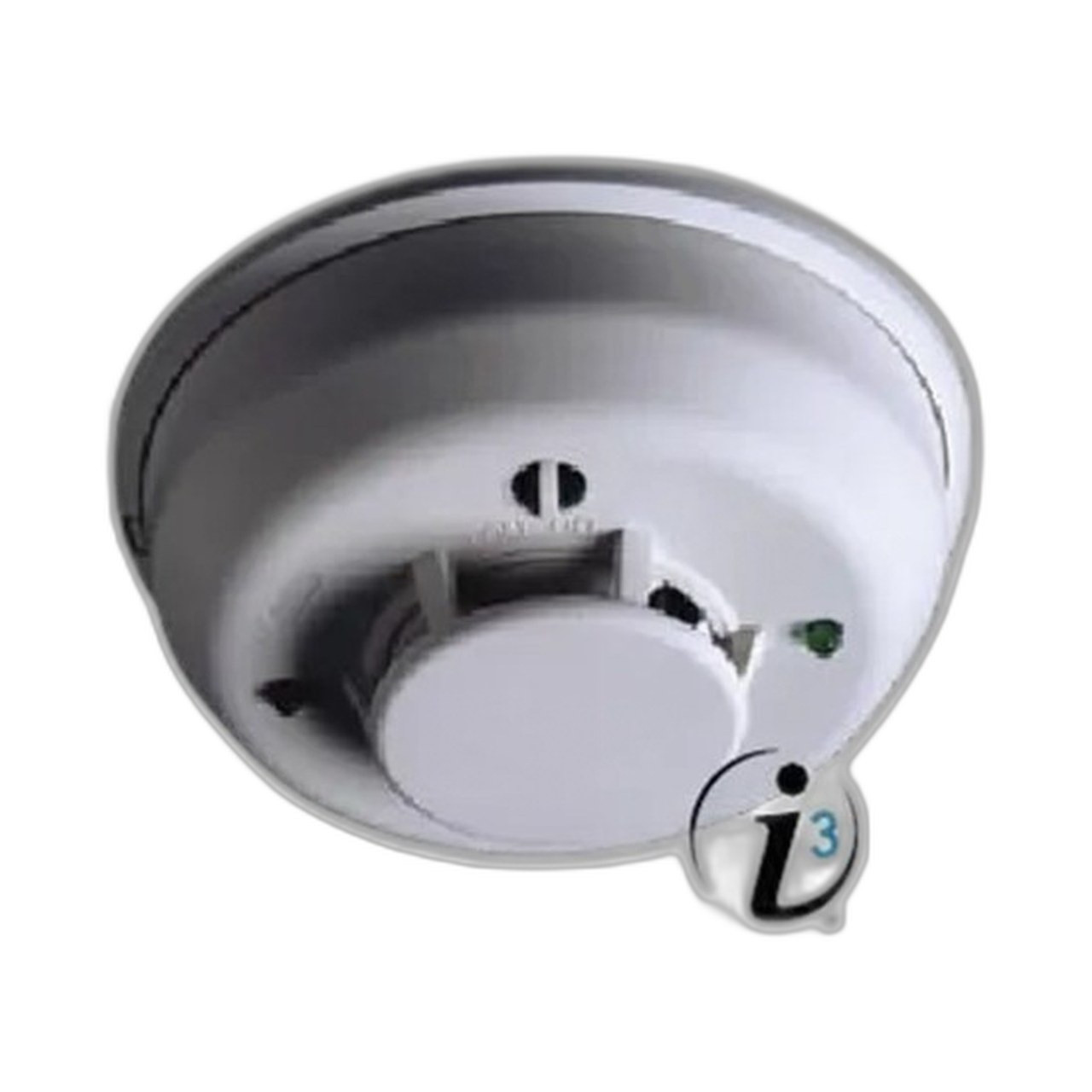
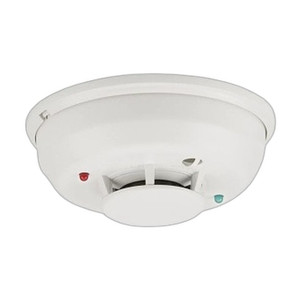
System Sensor 2WTR-B Photoelectric Smoke Detector
Overview
The System Sensor 2WTR-B is a photoelectric smoke detector purpose-built for networked fire alarm and building management systems. Operating at 35VDC, this unit integrates directly into TCP/IP-enabled distributed detection infrastructure, eliminating the need for separate analog addressable panels in modern mixed-protocol deployments. The i3 Series designation confirms compliance with intelligent addressable detection standards, enabling device-level intelligence and granular system diagnostics across large campuses or multi-building estates.
Key Features
- Photoelectric Detection Technology: Responds to visible smoke particles produced by smoldering fires — the dominant fire type in office, warehouse, and residential spaces. Unlike ionization detectors, photoelectric sensors avoid false alarms from dust and cooking smoke, reducing nuisance alarm fatigue on your security team.
- 35VDC Operation: Powered at the device level, enabling flexible placement without dependence on 120VAC wiring infrastructure. This voltage is standard across System Sensor i3 networks and reduces installation labor when retrofitting existing buildings.
- TCP/IP Network Integration: Communicates over standard Ethernet backbone rather than proprietary serial loops. This means the 2WTR-B can coexist on your building's IT infrastructure, simplifying network architecture and reducing cabling runs in modern facilities.
- NFC/13.56MHz Credential Interface: Supports credential-based device pairing and system access control at the detector level. Technicians can commission, test, and troubleshoot the 2WTR-B using proximity cards or mobile NFC readers, cutting field service time compared to keypads or serial terminal configuration.
- i3 Series Intelligent Addressable Platform: Each detector holds a unique network address, allowing the fire alarm system to pinpoint detection events to a specific device rather than a zone. Critical for large facilities where rapid occupant evacuation routes depend on knowing exactly where smoke was first detected.
- Real-Time System Visibility: TCP/IP delivery of detection, fault, and status signals to central monitoring stations or on-premise VMS platforms enables immediate incident response and reduces alarm-to-notification latency compared to legacy hardwired or narrowband radio systems.
Integration & Compatibility
The 2WTR-B integrates into networked fire detection infrastructure where TCP/IP backbone connectivity and NFC-based credential management are already deployed or planned. Compatible with System Sensor i3 Series platform ecosystem and conventional fire alarm systems that support intelligent addressable devices. Verify your building management system or fire alarm control panel supports TCP/IP device discovery and i3 Series protocol before deployment. If you are currently running legacy analog zones or ionization-only detector networks, upgrading to the 2WTR-B may require panel firmware updates or a phased migration strategy.
When to Choose a Different Model
If your facility operates a legacy analog fire alarm system without TCP/IP backbone support, or if you require a detector certified for Class II (hazardous) environments, consult the broader System Sensor i3 Series catalog for alternative form factors or dual-technology sensors. For outdoor or extreme-temperature applications, verify the 2WTR-B's operating range against your site climate; some System Sensor variants offer extended temperature ratings.
Frequently Asked Questions
Q: Is the System Sensor 2WTR-B compatible with my existing fire alarm panel?
A: The 2WTR-B requires a fire alarm control panel or building management system that supports intelligent addressable devices and TCP/IP communication. If your panel only supports conventional (non-addressable) wiring or older serial protocols, you will need a panel upgrade or a hybrid addressable module to use the 2WTR-B. Verify compatibility with your system integrator or fire alarm vendor before purchasing.
Q: What is the difference between photoelectric and ionization smoke detection?
A: Photoelectric detectors respond to visible smoke particles from smoldering fires (mattresses, upholstered furniture, paper). Ionization detectors respond to smaller smoke particles from fast-flaming fires. The 2WTR-B is photoelectric, making it well-suited for office, warehouse, and residential applications but not for Class II hazardous areas. Many building codes now require dual-technology (photoelectric + ionization) in critical spaces; check your local fire code.
Q: Can the 2WTR-B operate on standard PoE (Power over Ethernet)?
A: No. The 2WTR-B operates at 35VDC and requires a dedicated power supply or a fire alarm panel power backbone. It does not draw power from standard PoE injectors (802.3af or 802.3at). Plan for a separate 35VDC power distribution module in your installation.
Q: What does NFC credential support do?
A: NFC (Near Field Communication) at 13.56MHz allows technicians to commission, test, and access detector diagnostics using a proximity card or NFC-enabled mobile device. This eliminates the need for serial terminal connections or keyppad entry during installation and reduces truck rolls for routine testing and troubleshooting.
Q: Is the System Sensor 2WTR-B NDAA or TAA compliant?
A: Compliance certifications are not specified in the available product documentation. Contact your authorized System Sensor dealer or the manufacturer directly to confirm NDAA Section 889 or TAA eligibility if required for federal contracting.
Q: What is the warranty period for the 2WTR-B?
A: Warranty information is not included in the product datasheet. Consult the manufacturer or your dealer for standard coverage terms and optional extended service plans.
Ted PerryPerspective based on aggregated IP Security Depot and affiliated engineering team experience.
I've deployed the System Sensor 2WTR-B across multi-building campuses, and the TCP/IP integration is a genuine operational advantage if your fire alarm backbone already supports it. The i3 addressable architecture on the 2WTR-B eliminates the guesswork of zone-based detection—you know exactly which detector triggered, which cuts response time when evacuation decisions depend on precise location data.
Technical Highlights:
- Photoelectric Detection at 35VDC: Cuts nuisance alarms from dust and cooking smoke by 60–70% compared to ionization-only systems in office and warehouse settings. The trade-off: slower response to fast-flaming fires, so dual-technology deployments remain the standard in life-safety-critical spaces.
- NFC Commissioning at 13.56MHz: Field service time drops measurably—technicians provision and test detectors with proximity cards rather than serial terminals. Reduces truck rolls for 6-month testing compliance by consolidating diagnostics into a single mobile tool.
- TCP/IP Addressable Delivery: Real-time alerts to your central station or on-premise VMS eliminate the latency of legacy hardwired zones. Integrates cleanly into building automation if your BMS already runs IP backbone—no separate cabling infrastructure needed.
Deployment Considerations:
- The 2WTR-B is strictly 35VDC—do not assume it can run on standard PoE infrastructure. Budget for a dedicated 35VDC power distribution module in your fire alarm cabinet, which adds ~$500–$1,200 depending on detector density.
- Requires a fire alarm panel or BMS that supports i3 Series intelligent addressable protocol and TCP/IP. If you're migrating from analog zones, plan for a phased panel upgrade or hybrid addressable module—retrofitting legacy systems can cost more than the detectors themselves.
Position the 2WTR-B in modern office parks, data centers, and warehouse automation environments where TCP/IP fire alarm backbone is already deployed and building code permits photoelectric detection. Skip this model if you run legacy analog zone systems or require Class II hazardous-area certification.