
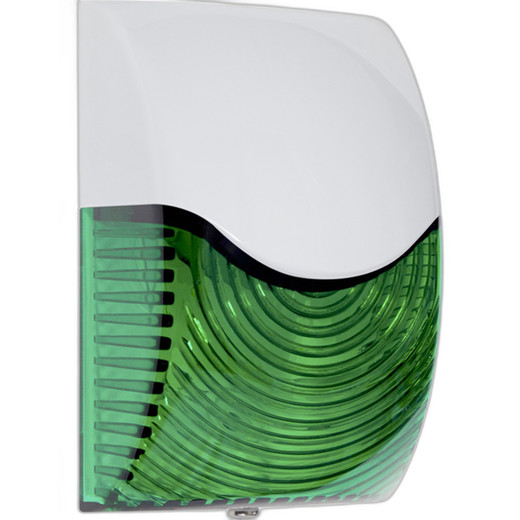

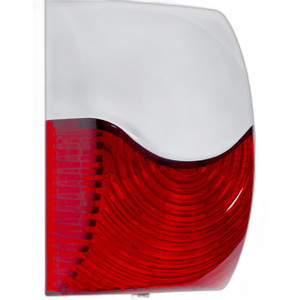

Product images are provided for reference and may not represent the exact model, configuration, or included
components.
Overview
SKU:
STI-SA5600-G
Condition:
New
Availability:
Usually ships in 24 hours
Warranty
Manufacturer Warranty
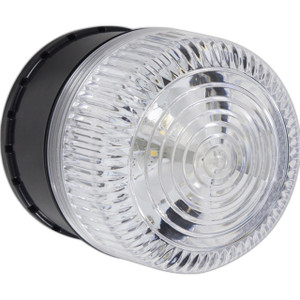
STI STI-SA5600-G Select-Alert Siren/Strobe Controller
STI STI-SA5600-G Select-Alert Siren/Strobe Controller Overview The STI STI-SA5600-G is a dedicated controller for Select-Alert siren and strobe notifi…
STI STI-SA5600-G Select-Alert Siren/Strobe Controller
$79.86
$49.99
Your recommended setup
Review items below — quantities update pricing automatically.
Item
Qty
Status
Price
Optional Add-Ons recommended
Services optional
Bundle Summary
Bundle Subtotal:
$0.00
Optional Add-Ons:
$0.00
Services:
$0.00
Total:
$0.00
Overview
SKU:
STI-SA5600-G
Condition:
New
Availability:
Usually ships in 24 hours
Warranty
Manufacturer Warranty
Description
STI STI-SA5600-G Select-Alert Siren/Strobe Controller
Overview
The STI STI-SA5600-G is a dedicated controller for Select-Alert siren and strobe notification systems. It provides centralized management of audible and visual alarm signaling devices in security and life safety applications. The controller communicates via TCP/IP, enabling integration with broader security management platforms.
Key Specifications
Operating voltage: 9VDC. Operating temperature range: 32°F to 120°F. Supports up to 32 concurrent users. Tamper detection via N.C. 12VDC, 50mA dry contact input. TCP/IP communication for network deployment and remote monitoring.
Compatibility
Designed for integration with STI Select-Alert siren and strobe units. Suitable for security integrators deploying networked alarm notification systems in commercial facilities, emergency response centers, and multi-zone installations where coordinated audio-visual alerts are required.
Specifications
Product Type:
Controller
Operating Temperature:
32°F-120°
Mount Type:
Options ....................................................................................................................page 6
Dimensions:
..............................................................................................................................page 3
Warranty:
Information ...............................................................................................................page 3
Lens Type:
Tamper No N.C. 12VDC, 50mA Dry Contact
Communication:
TCP/IP
max_users:
32
Voltage:
9VDC
Have Questions?
Ask an Expert.
Your recommended setup
Review items below — quantities update pricing automatically.
Item
Qty
Status
Price
Optional Add-Ons recommended
Services optional
Bundle Summary
Bundle Subtotal:
$0.00
Optional Add-Ons:
$0.00
Services:
$0.00
Total:
$0.00
RELATED PRODUCTS


System Design, Deployment & Technical Support
Support services and planning resources for commercial surveillance, access control, and infrastructure deployments.
Fixed scope • Fixed price
System Design Assistance
- Get help validating product compatibility
- Coverage requirements
- Storage planning and deployment architecture before you buy.
Deployment & Configuration Support
- Access fixed-scope support for rollout planning
- User setup guidance
- Migration and system standardization across single-site or multi-site deployments
Guides, Tools & Calculators
- PoE requirements
- Storage retention
- Camera selection and deployment methodology