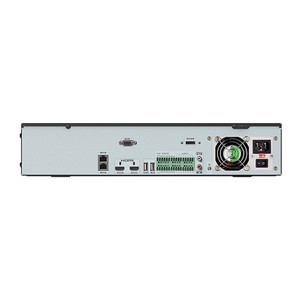
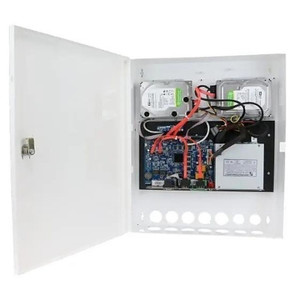
Speco Technologies N128NR192TB 128-Channel 4K Network Video Recorder
The Speco Technologies N128NR192TB is a large-scale network video recorder engineered for enterprise campuses, multi-building complexes, and regional surveillance networks requiring simultaneous 4K capture, extended storage, and embedded intelligence across 128 IP camera channels. With 192TB of onboard capacity, native H.265 compression, integrated video analytics, and ONVIF standards compliance, the N128NR192TB consolidates recording, playback, and event detection in a single platform without external processing overhead or third-party licensing.
Overview
The N128NR192TB addresses the operational and economic realities of large-scale surveillance: you need long retention windows, minimal storage waste, and actionable alerts without fragmenting your infrastructure across separate analytics boxes. This network video recorder supports all 128 channels recording simultaneously at 4K resolution, with independent bitrate tuning per channel so you can record higher-motion areas at full detail and lower-activity zones at reduced bandwidth. H.265 codec efficiency cuts storage consumption roughly in half compared to H.264—a material difference when running 24/7 across dozens of cameras. The 192TB internal capacity translates to months of retention at typical enterprise bitrates, meaningful for forensic review, compliance audits, and incident reconstruction. Built-in analytics eliminate the need for separate AI appliances: motion detection, object classification, intrusion rules, and zone-based triggers execute on the recorder itself, reducing latency and eliminating single points of failure in your alert pipeline.
Key Features
- 128-Channel 4K Recording: Simultaneous capture from 128 IP cameras at 4K resolution with per-channel bitrate optimization—means you don't waste storage recording empty hallways at the same quality as active entry points.
- H.265 Native Codec: H.265 compression reduces bandwidth and storage footprint by 40–60% relative to H.264 without quality loss—on a 192TB system, that's the difference between 3 months and 6+ months of retention before archive or overwrite.
- 192TB Onboard Storage: Integrated RAID-protected storage eliminates dependency on external SAN infrastructure for smaller to mid-sized deployments, reducing cost and management overhead while supporting rapid local playback and evidence export.
- Built-In Video Analytics: Motion detection, object detection, intrusion alerts, and zone-based rules execute on the recorder—no external AI box, no software licensing, no additional latency between event and notification.
- ONVIF Profile S Compliance: Standards-based ONVIF support means you can deploy cameras from any certified manufacturer—Hikvision, Axis, Dahua, Uniview, or others—without firmware lock-in or integration headaches.
- Dual HDMI and VGA Outputs: Support dedicated monitoring stations, wall displays, and secondary control rooms without requiring networked clients—useful when you need immediate visual feedback independent of network latency.
- Redundant Gigabit Ethernet: Dual network ports enable load balancing and automatic failover; critical for campuses where a single switch failure could black out all recording to the N128NR192TB.
- Scheduled, Event, and Continuous Recording: Configure independent recording policies per channel—continuous on entry cameras, event-triggered in low-activity zones, scheduled during business hours—maximizes storage efficiency and compliance alignment.
- Remote Web and Mobile Access: HTTP/RTSP-based interfaces enable authorized remote viewing, playback, and event retrieval from mobile clients and third-party VMS platforms without additional software licensing.
- USB and Network Backup: Export evidence directly to USB or replicate across network storage for disaster recovery, litigation hold, and multi-site archive workflows.
Integration and Compatibility
The N128NR192TB operates as a standards-compliant NVR accepting RTSP and HTTP streams from any ONVIF-certified IP camera. The system integrates with third-party VMS platforms supporting ONVIF Profile S, enabling you to manage the N128NR192TB alongside cameras and recorders from other vendors within a unified control interface. Dual Gigabit Ethernet and configurable IP failover support high-availability network architectures where recorder availability directly impacts your SLA commitments.
Deployment Considerations
Install the N128NR192TB in a secure, climate-controlled server room or purpose-built surveillance closet. Large 128-channel 4K deployments require dedicated network infrastructure: provisioned managed switches with sufficient backplane capacity, isolated VLANs to prevent recording traffic from competing with office traffic, and QoS policies to prioritize camera streams during congestion. Calculate storage lifecycle planning against your retention policy—192TB is substantial, but 24/7 recording at high bitrate across all 128 channels will fill faster than lower-resolution single-camera systems. Schedule periodic archive procedures to cold storage and plan for drive replacement cycles typical of enterprise RAID environments. For integrators managing campus-wide deployments, the redundant Ethernet ports and embedded failover support eliminate single points of failure; pair with UPS capacity sufficient for graceful shutdown or temporary load shedding if primary power is lost.
Frequently Asked Questions
Q: Does the N128NR192TB support cameras from multiple manufacturers?
A: Yes. The N128NR192TB is ONVIF Profile S compliant, meaning it accepts IP streams from any certified camera manufacturer—Axis, Hikvision, Dahua, Uniview, etc. Ensure your camera firmware supports ONVIF streaming and configure the recorder with the camera's RTSP URL.
Q: How long will 192TB of storage last in a typical deployment?
A: Retention depends on bitrate and channel utilization. H.265 compression and per-channel bitrate tuning are your levers: at moderate bitrates (2–4 Mbps average per channel), expect 3–6 months of continuous retention. Adjust recording policy (scheduled vs. event-triggered) to extend retention or implement archive/export workflows to secondary storage.
Q: Can the N128NR192TB integrate with our existing VMS or security management platform?
A: If your VMS supports ONVIF Profile S or direct RTSP access, yes. The N128NR192TB exposes HTTP/RTSP interfaces for remote live view, playback, and event logs. Confirm your VMS version and ONVIF compatibility before deployment; some legacy platforms may require firmware updates.
Q: What bandwidth should I provision for the N128NR192TB on my network?
A: Bandwidth depends on per-channel bitrate settings and codec. H.265 at moderate quality typically averages 2–5 Mbps per channel; 128 channels at 4 Mbps average equals 512 Mbps ingress. Provision a dedicated VLAN with managed switch uplinks (10 Gbps recommended) and QoS policies to isolate recorder traffic from office data. Consult your network team during design phase.
Q: Does the N128NR192TB require external licensing for analytics features?
A: No. Motion detection, object detection, intrusion alerts, and zone-based rules are built in to the recorder. There are no per-channel or annual software fees for analytics—they're included with the hardware.
Q: What happens if the primary network connection fails?
A: The N128NR192TB has dual Gigabit Ethernet ports with configurable failover. If the primary port loses link, the recorder automatically routes traffic through the secondary port. Recording continues uninterrupted. Configure both ports on different network switches for true redundancy.
Ted PerryPerspective based on aggregated IP Security Depot and affiliated engineering team experience.
The N128NR192TB is purpose-built for campus and multi-site deployments where local storage density and embedded analytics matter more than cloud-dependent workflows. At 192TB of capacity with H.265 compression, you're looking at 4–8 months of uninterrupted 24/7 recording across all 128 channels at moderate bitrates—a material advantage over smaller standalone recorders when compliance mandates 90+ day retention or litigation hold extends that window further.
Technical Highlights:
- H.265 Codec with Per-Channel Bitrate Tuning: Cuts storage overhead by 40–60% versus H.264. Configure high-motion entry points at 6–8 Mbps and low-activity corridors at 1–2 Mbps to maximize retention without wasting bytes on static scenes.
- 128 Simultaneous 4K Channels: Independent channel management means you're not bottlenecked by a single processing pipeline—each camera stream is recorded and indexed separately, enabling rapid playback and evidence export without codec re-encoding.
- Dual Gigabit Ethernet with Failover: Eliminates single points of failure; if your primary switch port fails, traffic automatically routes through the secondary port without human intervention or recording interruption.
- Built-In Analytics (No External Licensing): Motion, object detection, and zone-based intrusion rules execute on the N128NR192TB itself—no additional AI appliance, no annual software subscriptions, no latency penalty from off-box processing.
Deployment Considerations:
- Network sizing is non-negotiable: 128 channels at 4K will saturate standard 1 Gbps uplinks within seconds. Provision dedicated managed switches with 10 Gbps backplane capacity, isolated VLANs, and QoS policies. Work with your network team before installation.
- Storage lifecycle planning: 192TB fills faster than smaller recorders when all channels are active. Plan quarterly archive procedures to cold storage and monitor RAID health—drive replacement cycles in large NVRs can be resource-intensive.
- The recorder is stationary indoor-only—mount in a climate-controlled server room with UPS backup sufficient for graceful shutdown if main power fails. Ensure adequate rack space and cooling; a fully loaded 128-channel system generates significant heat.
The N128NR192TB is the right choice for integrators managing enterprise campuses where local intelligence and extended retention justify the infrastructure investment. Skip it if your deployment is under 32 channels or if you require cloud-native architecture; for sprawling multi-building sites with compliance mandates and high availability requirements, it's a pragmatic consolidation point that eliminates external analytics boxes and reduces failure modes.