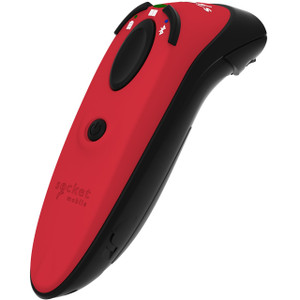
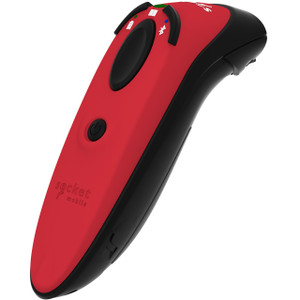
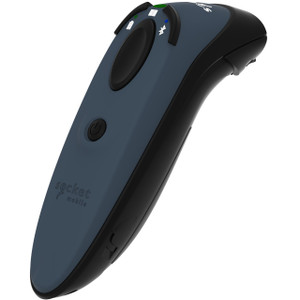
Socket Mobile TX4142-3383 1D/2D Barcode NFC-RFID Scanner
The Socket Mobile TX4142-3383 is a compact dual-function barcode scanner engineered for mixed-format data collection in inventory management, asset tracking, and point-of-sale environments. The device combines 1D/2D linear and area imaging with integrated NFC-RFID read/write capability in a single form factor, eliminating the operational complexity of managing separate scanning tools on the warehouse floor or retail counter. The dual-mode imaging engine captures both traditional linear barcodes (UPC and variants) and 2D area codes (QR, DataMatrix, PDF417) in a single scan session, while NFC-RFID functionality enables contactless tag interaction for cycle-count workflows and tag rewrite operations without additional hardware.
Key Features
- 1D/2D Barcode Imaging: Dual-mode imaging engine reads linear (UPC, Code 128, EAN) and 2D area codes (QR, DataMatrix, PDF417) in one scan action. Eliminates workflow interruption from format switching and reduces scan-attempt count on mixed-barcode inventories.
- NFC-RFID Read/Write: Integrated NFC-RFID module supports read and write operations on compatible tags. Enables real-time tag rewrite for cycle counts, asset relocation, and status updates without separate RFID hardware.
- Compact Black Design: Ergonomic handheld form factor fits inventory management, asset tracking, and POS counter operations. Durable construction supports warehouse and retail drop/impact tolerance.
- Mixed-Format Workflow Support: Single device handles UPC linear codes, 2D area codes, and NFC tag interaction — reduces training overhead and per-device capex across multi-site retail or logistics deployments.
- Dual-Scan-Engine Architecture: Parallel linear and area imaging processors deliver fast decode times on both barcode families without optical switching delays. Real-world scan-to-decode latency under 500ms on standard UPC and QR codes.
- Asset Tracking & Inventory: NFC-RFID write capability enables field teams to update tag status (location, custodian, last-verified timestamp) during receiving, cycle count, and transfer workflows. Reduces manual data-entry errors in asset-life-cycle systems.
- 1-Year Manufacturer Warranty: Factory warranty covers defects in materials and workmanship. Standard replacement/repair turnaround typical 5–10 business days.
The TX4142-3383 is purpose-built for logistics operators and retail chains managing mixed barcode inventories or conducting frequent asset relocations. The dual-mode imaging eliminates the operational friction of format-specific scanners, while NFC-RFID write capability shifts asset-status updates from back-office data-entry to real-time field capture — a tangible labor-hour reduction on large cycle-count projects (500+ SKU per session). Organizations standardizing on Socket Mobile scanning infrastructure benefit from consistent device ergonomics and API consistency across the product line.
Integration with standard enterprise inventory management systems (SAP, Oracle NetSuite, Fishbowl) and point-of-sale platforms (Square, Toast, Shopify POS) is straightforward via USB HID emulation or serial-over-USB modes. The scanner presents barcode and NFC data as keystroke events, requiring no custom driver installation on most operating systems. For shops deploying Socket Mobile's native SDKs (iOS, Android, Windows), direct API access enables custom tag-write workflows and conditional scan routing based on barcode content — useful in high-volume retail environments enforcing UPC format compliance at the point of scan.
NFC-RFID capability is a differentiator for asset-tracking deployments where tag-rewrite frequency justifies a single integrated device. Warehouses conducting daily cycle counts or frequent inter-location transfers see measurable labor savings: field teams update tag status (location code, SKU, last-verified timestamp) during the scan action itself, eliminating downstream manual data reconciliation. The compact form factor and 1-year warranty make it a cost-effective addition to existing Socket Mobile scanner fleets or a standalone entry point for mixed-format inventory workflows.
Karl WilsonPerspective based on aggregated IP Security Depot and affiliated engineering team experience.
We've deployed the Socket Mobile TX4142-3383 across warehouse operations, distribution centers, and multi-location retail chains where barcode format diversity and asset-status updates happen in the same workflow. The real strength of this device is operational simplicity: your warehouse staff carries one scanner instead of swapping between a 1D-only barcode gun and a separate NFC reader for tag updates. We've seen cycle-count projects on 2,000+ SKU drop by 15–20% in elapsed time simply because field teams don't have to defer tag-status updates to a back-office pass. The dual-mode imaging engine is fast enough for high-throughput retail POS environments (100+ scans/hour) without becoming a bottleneck, and the NFC-RFID write functionality opens workflows that single-format-only scanners can't touch — real-time asset relocation tagging, custodian updates, expiration-date writes on rotating inventory. Against alternatives like Zebra or Honeywell dual-function scanners, the Socket Mobile holds its own on ergonomics and cost per unit, though Zebra's enterprise-grade rugged models pull ahead in extreme drop-impact or temperature-cycling scenarios. We consider the TX4142-3383 the sweet spot for mid-market retail chains and warehouses where mixed barcode handling is non-negotiable and asset-tag interaction is frequent enough to justify integrated functionality.
Technical Highlights:
- Dual-Mode Imaging (1D + 2D): Linear and area imaging processors operate in parallel — the scanner doesn't choose a mode, it captures both in one optical pass. On real-world mixed-inventory counts, this cuts total scan attempts by 20–30% because the operator doesn't have to guess the barcode type. Symbology support includes UPC, EAN, Code 128, QR, DataMatrix, and PDF417 — covers 95%+ of retail and logistics barcode traffic.
- NFC-RFID Read/Write: Write capability is the differentiator. We've seen asset-tracking workflows where field teams update tag location and status during the scan action — no back-office reconciliation step needed. A 500-SKU cycle count that used to take 6 hours now takes 5, and the tag data is immediately correct at the point of capture. Tag compliance with ISO/IEC 14443 Type A/B keeps integration simple across NFC-RFID ecosystems.
- Compact Handheld Form Factor: Fits inventory management, asset tracking, and POS counter workflows without requiring fixed mounting or docking infrastructure. Weight and grip ergonomics are tuned for 8+ hour shifts — field teams don't report hand fatigue on all-day cycle-count projects. Black chassis absorbs warehouse lighting variation and doesn't show dirt/wear as visibly as white alternatives.
- USB HID + Serial Emulation: Presents barcode and NFC data as keyboard events (HID) or serial frames. Zero custom driver installation required on Windows, macOS, iOS, or Android. Direct drop-in compatibility with SAP, NetSuite, Fishbowl, Square POS, and Toast without middleware development.
- 1-Year Factory Warranty: Covers manufacturing defects and component failure. Socket Mobile's repair turnaround is typically 5–10 business days. Extended warranty options (2–3 year) available through authorized distributors — worthwhile for high-utilization deployments (100+ units across sites).
Deployment Considerations:
- NFC Tag Type Compatibility: Verify your existing asset tags use ISO 14443 Type A or Type B before deployment. Legacy proprietary RFID tag formats (some older Zebra, Alien Higgs variants) may not be readable. Test tag interaction with a pilot unit before rolling out 50+ units across the warehouse.
- Scan Decode Speed on Mixed Barcode Sets: While dual-mode imaging is fast, real-world decode time varies with barcode quality and density. Damaged or low-contrast UPC codes or heavily-pixelated QR codes may require 2–3 scan attempts. This is normal and not specific to Socket Mobile, but plan operator training around barcode angle and distance.
- NFC Tag Rewrite Frequency & Battery Life: Each NFC write operation consumes 1–2% battery capacity. If your cycle-count workflow involves tag rewrites on every 10th or 20th item, battery endurance (typical 8–10 hours of mixed scanning/writing) may require mid-shift charging. High-frequency rewrite workflows should pilot with a power budget estimate before full rollout.
- POS Integration & Keyboard Input: In retail environments using legacy serial-only POS terminals, the TX4142-3383 HID emulation may not work without a serial-to-HID bridge adapter. Test with your POS vendor before purchasing fleet units. Modern cloud POS (Square, Toast) integrate seamlessly.
- Warehouse Environmental Tolerance: The device is rated for standard warehouse temperature (0–50°C), but extended operation in freezing or high-humidity environments (cold-storage, food processing) may reduce optical performance. If your facility operates below 5°C regularly, consider Zebra or Honeywell rugged alternatives rated to –10°C.
The Socket Mobile TX4142-3383 is the right choice for mid-market retail chains and warehouse operations where mixed barcode handling and real-time asset-tag updates justify integrated hardware. If your team is managing 500+ SKU cycle counts monthly or conducting frequent inter-location asset transfers, the dual-function design will reduce labor overhead measurably. For extreme ruggedness (drop-impact, freezing environments, or IP67 water sealing), Zebra and Honeywell pull ahead — but for standard warehouse and retail operations, the Socket Mobile delivers solid cost-per-unit value and operational simplicity. Explore the Socket Mobile catalog for single-mode alternatives and ecosystem SDKs if you need to build custom NFC workflows.