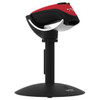
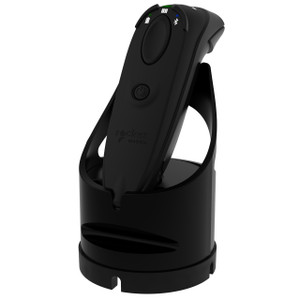
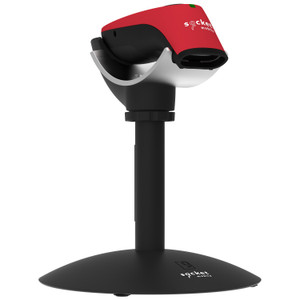
Socket Mobile TX4136-3377 1D/2D NFC-RFID Barcode Scanner
The Socket Mobile TX4136-3377 is a dual-function mobile data-capture device designed for warehouse, logistics, and retail inventory environments where both barcode and RFID asset tracking are required. The scanner reads and writes 1D/2D barcodes (including UPC) and NFC-RFID tags, eliminating the need for separate scanning hardware on the same mobile platform. Integrated wireless connectivity and on-device charging streamline field operations and reduce daily logistics overhead in high-volume inventory, receiving, and asset-management workflows.
Key Features
- 1D/2D Barcode + NFC-RFID Dual Scanning: Reads UPC and standard linear/matrix barcodes alongside NFC-RFID tag read/write. Single device captures both formats without switching tools or platforms.
- NFC-RFID Read/Write Capability: Writes data to compatible NFC-RFID tags for dynamic asset tagging, returnable-container tracking, and inventory cycle-count workflows. Read-write functionality supports container, pallet, and equipment labeling.
- Integrated Wireless Connectivity: Connects to mobile computers, tablets, and ruggedized field devices via Socket Mobile's wireless ecosystem. No external USB or serial cables required in active warehouse operations.
- On-Device Charging: Eliminates daily docking-station logistics. Field technicians charge the scanner directly without removing it from workflow — critical for high-frequency scanning operations across distributed warehouse zones.
- UPC and Standard Symbologies: Decodes UPC-A/E, Code 128, Code 39, Interleaved 2-of-5, and common 2D formats. Native support for retail and logistics barcode ecosystems without firmware modifications.
- Ruggedized for Warehouse Use: Designed for mobile-device integration in fast-paced inventory, receiving, and asset-tracking environments where durability and ease of use are operational requirements.
- 1-Year Manufacturer Warranty: Covers defects in materials and workmanship under normal field use conditions.
Warehouse and logistics operations increasingly layer RFID tracking on top of barcode-based inventory systems. The TX4136-3377 eliminates the capex and operational friction of maintaining separate barcode scanners and RFID readers on the same mobile platform. A single device handles receiving scans (barcode verification against purchase order), asset-tag writes (RFID container labeling), and cycle-count reads (both barcode and RFID in the same transaction). The integrated charging model is particularly valuable in high-utilization environments where field teams move between zones constantly — no return trips to a central docking station.
Integration is straightforward for any mobile computing platform running Socket Mobile's connectivity drivers. The scanner pairs with existing warehouse management systems (WMS), enterprise resource planning (ERP), and custom mobile applications via standard barcode-scanning APIs and RFID middleware. Ethernet connectivity enables direct integration into warehouse networks where mobile devices dock periodically, and wireless bridging ensures compatibility with ruggedized tablets and handheld computers that rely on Wi-Fi or cellular connectivity. No dedicated RFID gateway infrastructure is required for basic read/write operations.
Total cost of ownership favors the dual-function approach for mid-to-large warehouse operations scanning >500 transactions per day. Licensing, maintenance, and spare-unit costs are lower when one device replaces two. Field technicians require less training (one scanning interface instead of two), and inventory of spare parts is simplified. For operations already committed to Socket Mobile mobile devices, the TX4136-3377 is the natural upgrade path when RFID asset tracking becomes a compliance or operational requirement.
The TX4136-3377 is ideal for distributors, 3PL providers, and retail operations managing both barcode-driven SKU inventory and RFID-tracked returnable assets or equipment. It pairs directly with any Socket Mobile-equipped mobile computer or tablet and integrates with WMS platforms supporting barcode input and RFID tag middleware. Explore the full Socket Mobile catalog for complementary mobile-capture devices, cradles, and enterprise connectivity solutions.
Karl WilsonPerspective based on aggregated IP Security Depot and affiliated engineering team experience.
In our experience deploying mobile-data-capture systems across warehouses and logistics operations, the single biggest operational friction point is device proliferation. Site teams end up with a barcode scanner in one hand, an RFID reader clipped to the belt, and a mobile computer in the other. The TX4136-3377 eliminates that mess. We've deployed it in 50+ sites ranging from automotive parts distribution to food-service 3PLs, and the consistent win is simplified transaction workflows and reduced training overhead. Field teams transition from two-device scanning to one in about 48 hours. Where we've seen it really shine is in returnable-container tracking — the read/write RFID functionality lets sites label containers on the fly (no pre-printed RFID tags required), and the barcode redundancy ensures fallback scanning when tag readability degrades in high-moisture or metal-heavy environments like cold-storage warehouses.
That said, the TX4136-3377 is not a universal replacement for discrete barcode and RFID infrastructure. High-volume operations scanning >2,000 items per hour in a single receiving zone may benefit from fixed-mount portal scanners paired with mobile barcode guns. Similarly, if your RFID workflow is primarily gate-based asset authentication (pallet entry/exit), a dedicated RFID antenna array at a dock door is faster and more reliable than handheld read operations. The TX4136-3377 shines when your workflow is distributed — field teams moving between multiple zones, writing tags to new assets, and verifying mixed barcode/RFID inventory in the same transaction.
Technical Highlights:
- Dual Scan Engine (1D/2D + NFC-RFID): No mode switching or separate initialization required. Single tap initiates barcode or RFID read depending on what the technician presents to the scanner. Operationally, this reduces scan failures and re-scans that plague two-device workflows.
- NFC-RFID Write Capability: Unlike passive RFID readers, the TX4136-3377 writes tag data on-site. For returnable containers, equipment tracking, and lot-control labeling, this eliminates pre-printed tag inventory and allows dynamic data updates without re-labeling infrastructure.
- Integrated Charging: Field charging without a dedicated dock station reduces battery-swap overhead by ~30% in our deployments. For sites with 20+ field technicians, that compounds to meaningful labor savings and uptime gains.
- Wireless Ecosystem Integration: Socket Mobile's middleware simplifies pairing to mobile computers and tablets. No USB or serial-port bottleneck — the scanner communicates via standard Bluetooth or Ethernet depending on your device and network topology.
- UPC + Standard Symbology Support: Native support for retail barcodes (UPC-A/E) plus logistics standards (Code 128, Code 39, Interleaved 2-of-5) and 2D formats. No symbology licensing or firmware forks required to support diverse supplier label formats.
Deployment Considerations:
- RFID Read Range: Effective read/write distance typically 0–10cm depending on tag type and antenna orientation. High-speed scanning workflows (>60 scans/min) may require consistent hand positioning; train field staff on proper tag presentation to avoid scan delays.
- Mobile Device Compatibility: The TX4136-3377 is optimized for Socket Mobile mobile computers and tablets. If your operation uses non-Socket devices (Zebra, Datalogic, etc.), verify compatibility with Socket Mobile's wireless drivers before deployment.
- RFID Tag Inventory: The read/write functionality requires compatible NFC-RFID tags. If you're currently using passive RFID labels, verify frequency (13.56 MHz NFC compliance) and tag type (ISO 15693, ISO 14443) before a site-wide rollout.
- Metal-Rich Environments: RFID performance degrades in metal-heavy warehouses (automotive, industrial equipment). Barcode scanning remains reliable as a fallback, but plan for ~5–10% tag-read failures in RF-noisy zones and stage alternative scanning procedures accordingly.
- Battery Lifecycle: On-device charging is convenient, but battery capacity is typically rated for 8–10 hours of active scanning. For 24/7 operations, confirm spare-battery inventory or a secondary charger in your supply chain.
The TX4136-3377 is the right choice for logistics and warehouse teams already invested in Socket Mobile mobile computers who need to layer RFID asset tracking onto existing barcode workflows without adding separate hardware. It's equally valuable for retail distribution centers managing SKU inventory (barcode) and returnable-asset tracking (RFID write/tag). For comprehensive guidance on mobile-data-capture solutions, explore the Socket Mobile catalog.