Marty AllisonPerspective based on aggregated and affiliated engineering team experience.
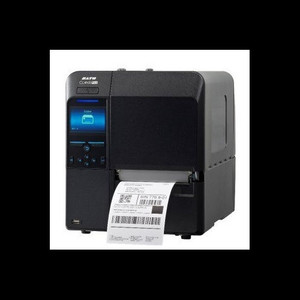
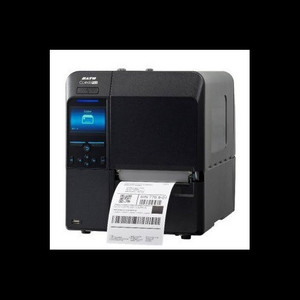
The SATO CL4NX Plus WWCLP2101-NAR is positioned as a workhorse for mid-to-large enterprises requiring consistent, high-resolution thermal label output. The 305 dpi specification exceeds the 203 dpi minimum for barcode compliance across most GS1 and logistics standards, providing margin for clarity even on smaller label formats. At 14 ips, throughput is adequate for batch processing environments without being enterprise-scale; this makes it well-suited for dedicated label stations rather than ultra-high-speed central hubs.
The dual-mode thermal capability (direct and transfer) is a significant flexibility advantage. Direct thermal is cost-effective for temporary labels and shipping tags, while thermal transfer excels with premium label stocks and extended shelf-life requirements—critical in regulated industries. The tool-free printhead design directly reduces operational overhead; thermal printheads are wear items, and quick-swap capability minimizes downtime.
Memory capacity (2 GB Flash, 256 MB SDRAM) is robust for enterprise label design libraries. The 100 MB user storage supports hundreds of label templates, fonts, and graphics without requiring constant external file pushes. Ethernet and Wi-Fi connectivity enable network-based label workflows, eliminating USB dependency in multi-station environments.
The 3.5" Full-Color LCD is a practical advantage over monochrome displays common in legacy industrial printers, improving operator efficiency and reducing configuration errors. Operating temperature range (41–104°F) covers most warehouse and manufacturing floor conditions. Build quality—cast aluminum frame with corrosion resistance—indicates long service life in humid or chemical-adjacent environments.
For organizations already standardized on SATO platforms, the WWCLP2101-NAR integrates seamlessly with SATO's ecosystem of supplies, drivers, and management software. It's a capable, proven solution for enterprises prioritizing reliability and operator experience over peak throughput.