


Product images are provided for reference and may not represent the exact model, configuration, or included
components.
Overview
SKU:
BVL
Condition:
New
Availability:
Usually ships in 24 hours
Warranty
Manufacturer Warranty
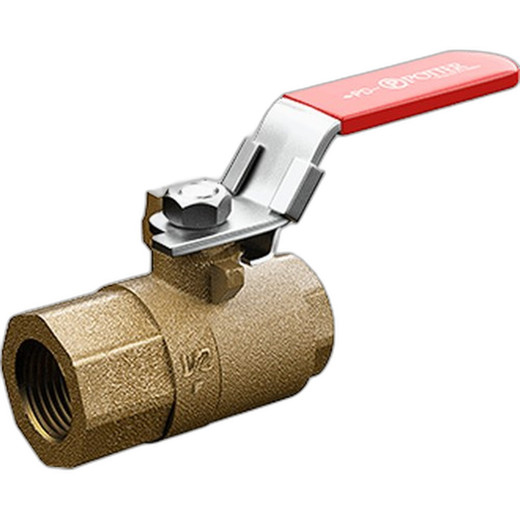
Potter Bleeder Valve for Fire Sprinkler System
Potter BVL Bleeder Valve for Fire Sprinkler SystemsThe Potter BVL is a bleeder valve component engineered for fire sprinkler system installation and m…

Potter Bleeder Valve for Fire Sprinkler System
$155.50
$90.99
Your recommended setup
Review items below — quantities update pricing automatically.
Item
Qty
Status
Price
Optional Add-Ons recommended
Services optional
Bundle Summary
Bundle Subtotal:
$0.00
Optional Add-Ons:
$0.00
Services:
$0.00
Total:
$0.00
Overview
SKU:
BVL
Condition:
New
Availability:
Usually ships in 24 hours
Warranty
Manufacturer Warranty
Description

Potter BVL Bleeder Valve for Fire Sprinkler Systems
The Potter BVL is a bleeder valve component engineered for fire sprinkler system installation and maintenance. This valve is designed to facilitate air release and system priming operations, making it an essential accessory for integrators and technicians managing fire suppression system deployments across commercial and industrial facilities.
Overview
The BVL bleeder valve serves as a critical control point in fire sprinkler piping networks. During system fill, pressurization, and maintenance cycles, trapped air must be efficiently removed to ensure proper water delivery and system reliability. The Potter BVL addresses this requirement with straightforward mechanical design and durable construction suitable for repeated use throughout the system lifecycle.
Key Features
- Manual bleeder valve operation for controlled air release
- Designed for integration into Potter fire sprinkler system architectures
- Compact form factor suitable for main riser and branch line applications
- Brass construction for corrosion resistance in wet environments
- Standard pipe thread connections for quick installation
- Low-maintenance mechanical design with no electrical dependencies
- Reliable performance across standard water supply pressure ranges
- Compatible with both wet and dry sprinkler system configurations
Integration and Compatibility
The Potter BVL integrates seamlessly into Potter fire sprinkler system designs and is commonly specified as part of system riser assemblies, main drain configurations, and branch line air elimination networks. The valve's standard thread connections ensure compatibility with industry-standard piping materials and fittings. Installation requires no special tools or calibration, making it suitable for field technicians with standard sprinkler system certification.
Operational Characteristics
As a manual bleeder valve, the BVL operates through simple hand operation without actuators, solenoids, or electronic controls. This design philosophy ensures reliability in environments where electrical power may be limited or where mechanical simplicity is preferred. The valve remains in position once installed and requires minimal maintenance beyond periodic operational testing during system commissioning and annual inspections.
Fire code compliance and system pressure requirements mandate proper air removal during initial system fill and after maintenance activities. The Potter BVL provides a direct, cost-effective method for technicians to vent accumulated air at multiple points throughout the system network, improving system response time and eliminating pressure fluctuations caused by air pockets.
Application Scenarios
Security integrators and fire system installers specify the BVL for new system installations, system expansions, and retrofits where bleeder valve coverage may be incomplete. Multi-story commercial buildings, industrial warehouses, and institutional facilities commonly require multiple bleeder points to ensure comprehensive air elimination. The valve's reliability makes it a standard stock item for service technicians responding to post-maintenance system recharging operations.
Marty Allison
The Potter BVL bleeder valve is a straightforward but essential component I've encountered repeatedly during fire sprinkler system commissioning and maintenance planning. While often overlooked in procurement discussions, proper bleeder valve placement directly impacts system performance and regulatory compliance verification.
Technical Highlights:
- Air Release Function: The BVL enables rapid air venting at multiple system locations during fill operations and post-maintenance recharging cycles, preventing pressure surges and ensuring uniform water delivery across branch lines.
- Mechanical Simplicity: Manual operation with no electrical or pneumatic dependencies ensures the valve remains functional regardless of control system status, making it reliable for both initial commissioning and emergency system recharging.
- Integration Point: Standard thread connections allow the BVL to be specified at riser assemblies, main drains, and elevated branch endpoints where air accumulation is most likely.
Deployment Considerations:
- Plan bleeder valve locations during system design to ensure coverage across all system zones and at natural high points where air naturally accumulates in piping networks.
- Include bleeder valve operation as part of your pre-handoff system testing and annual inspection protocols to verify proper function and catch any corrosion or debris issues before they impact system reliability.
- Stock multiple BVL units in your service vehicle for rapid field repairs and maintenance response, as air-related system pressure issues are common during seasonal testing cycles.
The BVL represents the kind of foundational component that integrators must specify correctly to ensure systems meet both code compliance and operational reliability standards. Its proven design and cost-effectiveness make it a reliable choice for system designs of any scale.
Specifications
Product Type:
Manual Bleeder Valve
Have Questions?
Ask an Expert.
RELATED PRODUCTS



System Design, Deployment & Technical Support
Support services and planning resources for commercial surveillance, access control, and infrastructure deployments.
Fixed scope • Fixed price
System Design Assistance
- Get help validating product compatibility
- Coverage requirements
- Storage planning and deployment architecture before you buy.
Deployment & Configuration Support
- Access fixed-scope support for rollout planning
- User setup guidance
- Migration and system standardization across single-site or multi-site deployments
Guides, Tools & Calculators
- PoE requirements
- Storage retention
- Camera selection and deployment methodology