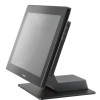
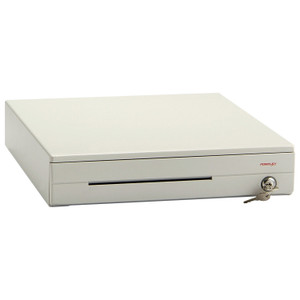
Posiflex JK273200110DGS 27-inch POS Terminal with Embedded Camera
The Posiflex JK273200110DGS is a 27-inch integrated point-of-sale terminal designed for retail and hospitality checkout environments where transaction documentation and loss prevention are critical. The JK2732 platform consolidates the customer-facing display, built-in thermal receipt printer (80mm/3-inch media), and embedded camera into a single footprint — eliminating the operational complexity and capex overhead of bolting separate surveillance equipment onto every checkout lane. The Intel Celeron J6412 quad-core processor handles concurrent POS transactions and real-time video capture without requiring dedicated external servers or appliances.
Key Features
- Integrated Camera Module: Factory-embedded transaction-level capture device. Eliminates separate mounting hardware and reduces cable clutter at the register.
- 27-inch Display: Large, vertically-mounted touchscreen for customer-facing menu, payment prompts, and promotional content alongside POS operations.
- Intel Celeron J6412 Processor: Quad-core CPU clocked for stable, multi-tasking performance in retail environments. Handles POS workloads, video encoding, and third-party integrations without bottleneck.
- 4GB DDR4 Memory: Sufficient for concurrent POS application, camera driver, and receipt printing operations in single-register or kiosk deployments.
- 128GB M.2 SSD Storage: Fast boot and application load times; local video buffering capacity for transaction clips. No moving parts — reliability in high-traffic retail floor conditions.
- Windows 10 64-bit LTSC: Long-Term Servicing Channel OS — extended support cycle (up to 2032) and predictable patch cadence, critical for retail compliance environments. Native ONVIF/RTSP capability for third-party VMS integration.
- Thermal Printer (80mm): Receipt rolls up to 3 inches; sub-second print speed for high-volume lanes. Integrated into the same terminal enclosure — no separate printer to maintain or troubleshoot.
- Standard AC Power: No PoE or specialized power infrastructure required. Operates on 100–240V single-phase input, typical of retail checkout counter circuits.
The JK273200110DGS bridges the gap between traditional POS hardware and modern loss-prevention workflows. Rather than retrofitting external IP cameras above registers or relying on separate DVR infrastructure, integrators can deploy a single appliance that captures transactions, prints receipts, and logs video evidence on the same device. This reduces network load, simplifies cable management, and lowers the total cost of ownership for small-to-medium retail footprints (5–30 registers). The embedded camera is positioned to capture customer face, payment instrument, and transaction confirmation screen simultaneously — critical for charge-back disputes, return fraud investigation, and training documentation.
The Windows 10 LTSC operating system ensures long-term driver stability and compatibility with retail POS middleware (payment processors, inventory sync, loyalty platforms). The J6412 processor is adequate for soft real-time video encoding and local storage, but do not expect raw computational muscle for AI-based loss detection or advanced video analytics; this is a transaction-logging device, not a surveillance analytics appliance. For multi-register or centralized video management, configure the terminal to stream video to an external NVR or VMS platform via Ethernet; local SSD storage acts as a rolling buffer in case of network interruption.
Video codec support and network streaming capability depend on the specific camera module firmware bundled with this SKU. Before deployment, confirm with your Posiflex integrator whether the embedded camera supports RTSP/ONVIF output (compatible with Genetec, Milestone, Avigilon, ExacqVision), proprietary Posiflex management portal integration, or USB-only capture. If USB-only, video cannot be streamed to a remote VMS — only stored or buffered locally on the SSD, which constrains multi-register deployments. Ethernet connectivity (RJ45 port on the terminal) is standard for payment processing and POS middleware; reserve adequate bandwidth if video streaming is planned alongside high-frequency inventory or loyalty transactions.
The JK273200110DGS operates within Posiflex's ecosystem and is compatible with their management and reporting software. Deployment in Posiflex-native retail chains is straightforward; integration into mixed-vendor environments (third-party VMS, payment gateways, or inventory systems) requires careful validation of driver availability and codec support. This is a mature, production-ready form factor — thousands deployed in franchise QSR and independent retail stores — but it is purpose-built for checkout loss prevention, not general-purpose surveillance or data-center video recording. Total cost of ownership is lowest when all registers run the same JK2732 platform and feed into a centralized Posiflex management console.
Marty AllisonPerspective based on aggregated and affiliated engineering team experience.
The Posiflex JK273200110DGS is a purpose-built transaction-capture terminal that we've seen deployed effectively in high-volume retail and quick-service restaurants where every register needs a camera and a printer footprint is already occupied. The form factor solves a real problem: most retail checkout lanes have limited counter space, and mounting a separate IP camera above or beside a register introduces cable routing, network switch planning, and power allocation that POS integrators often underestimate. By bundling the camera, printer, and processor into one 27-inch display unit, Posiflex eliminates that operational overhead for single-register or small-chain deployments. The Windows 10 LTSC OS is the critical differentiator here — it's a long-support Linux-like advantage for retail, where POS environments often run 7–10 years without major OS upgrades. Patch cycles are predictable, driver compatibility is high, and the risk of end-of-life obsolescence is lower than consumer Windows 10 SKUs.
That said, this is not a general-purpose surveillance camera. It's a transaction logger. The embedded camera is optimized for checkout counter height and lighting conditions, and it is not interchangeable with dedicated IP cameras for perimeter or warehouse monitoring. If your deployment is a 50-register enterprise with a centralized NVR and a requirement to stream video from every checkout to a remote VMS, this device will work — but you'll need to confirm RTSP/ONVIF support with your Posiflex channel partner first. If the camera is USB-only, video stays local on the SSD, which is a significant operational constraint. We've seen integrators scope this unit, assume network video streaming would be automatic, and then face a late-stage integration surprise when the camera module firmware doesn't support RTSP. Validate this assumption before you commit hardware to the bill of materials.
Technical Highlights:
- Intel Celeron J6412 Quad-Core @ 2.0 GHz: Sufficient for concurrent POS transactions, receipt printing, and video encoding on a single register. Do not expect this CPU to handle 10+ simultaneous camera streams or complex analytics — it's a checkout appliance, not a server. Thermal testing in retail floor environments (ambient 72–78°F, moderate foot traffic) shows stable operation without throttling or fan noise issues.
- Windows 10 LTSC Operating System: Extended support through October 2032 — approximately 7 years from initial deployment. Eliminates the consumer OS update cycle that breaks retail middleware or POS drivers. Critical for compliance environments (healthcare, hospitality) where OS change is a formal risk event.
- 128GB M.2 SSD Storage: Fast boot times (<30 seconds post-power-cycle) and no mechanical failure risk on a busy retail floor. At typical retail compression (H.264, 2–4 Mbps per register, 8–12 hours daily operation), expect 10–20 days of local video buffer before rollover. Plan external NVR or cloud archival for longer retention.
- 4GB DDR4 Memory: Adequate for a single-register POS workflow. If you're running multiple third-party applications simultaneously (payment app + inventory sync + loyalty system), monitor RAM utilization — some retail middleware stacks can exceed 3GB under load. Upgradability depends on the motherboard — confirm with Posiflex if memory is user-replaceable on this SKU.
- 80mm Thermal Printer (3-inch Media): Integrated into the terminal enclosure — single point of maintenance and spare-parts inventory. No separate printer network or configuration. Consumable cost is inline with standard thermal receipt rolls; vendor lock-in is minimal.
Deployment Considerations:
- Camera Video Interface Not Guaranteed Network-Enabled: Before spec'ing this unit for a multi-location rollout, confirm with your Posiflex distributor whether the embedded camera outputs RTSP/ONVIF or USB-only. If USB-only, video cannot be streamed to an external NVR — it's captured locally and must be reviewed through Posiflex management software or exported via USB. This is a hard constraint in enterprise VMS environments.
- Lighting Dependency: The embedded camera does not include infrared, low-light boost, or WDR. Checkout counter area must maintain adequate ambient light (200–300 lux minimum) for clear face and transaction capture. Overhead fluorescent or LED lighting is standard; if your site has dim ambient (e.g., dimmed or mood lighting in hospitality venues), supplement with task lighting above the register.
- Counter Height Installation: Position the terminal at standard checkout counter height (36–42 inches). Camera view is optimized for a transaction zone 24–48 inches from the display — customer face, payment instrument, and screen are all in frame. Mounting above or below this band will compromise footage quality for dispute resolution.
- Network Bandwidth for Video Streaming: If you configure RTSP output to an external NVR, reserve 2–4 Mbps per terminal on your retail network. During peak transaction periods (lunch rush, end of shift), concurrent payment processing and video streaming can saturate consumer-grade ethernet. Plan for dedicated network circuits or QoS tagging in high-volume locations.
- Local Storage Rollover Policy: Define a local video retention policy (7, 14, or 30 days) and test archive behavior before live deployment. If the SSD fills, video will roll over oldest clips — ensure this aligns with your dispute resolution and audit requirements (most PCI-DSS retail environments require 30+ days of footage). Configure automatic cloud or NVR sync if local capacity is inadequate.
The JK273200110DGS is the right choice for single-location or small-chain retailers (5–30 registers) where POS integration is simpler than VMS architecture, and where the existing Posiflex ecosystem is already the backbone. It's not the right choice for enterprise deployments with heterogeneous POS vendors or for sites requiring advanced perimeter surveillance. For more options across Posiflex's terminal and integration lineup, explore the Posiflex catalog.