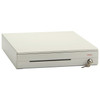
Posiflex JK243200110DGS 24-inch POS Terminal with Integrated Camera
The Posiflex JK243200110DGS is a 24-inch all-in-one POS stand designed for retail and hospitality environments where transaction transparency and till security are non-negotiable. Built-in camera capture eliminates the need for separate surveillance infrastructure at the point of sale — video streams directly to local SSD storage or networked systems, reducing capex on external NVRs and simplifying deployment. The Intel Celeron J6412 quad-core processor with 4GB DDR4 and 128GB M.2 SSD runs Windows 10 64-bit LTSC, a purpose-built OS that minimizes background processes and maximizes uptime for cashier-facing POS software.
Key Features
- 24-inch LCD Display: 1920×1200 native resolution. High-visibility customer-facing and clerk-side display options support menu presentation and transaction confirmation without external monitor hardware.
- Integrated Camera Module: Fixed down-angle deployment at register level. Captures till transactions, card interaction, and customer handoff for dispute resolution and fraud investigation.
- Intel Celeron J6412 Processor: Quad-core architecture at 2.0 GHz base (up to 3.0 GHz turbo). Handles concurrent POS transactions, local video encoding, and middleware communication without frame drops or transaction lag.
- 4GB DDR4 Memory: Sufficient for Windows 10 LTSC, standard retail POS applications (NCR Aloha, Square, Toast, Lightspeed), and background video recording processes.
- 128GB M.2 SSD Storage: NVMe-based — no moving parts, reduced boot time, and reliable onboard video retention. 5–7 days of 24/7 720p recording at typical retail bitrate (codec and frame-rate dependent).
- Windows 10 64-bit LTSC: Long-Term Servicing Channel OS — no forced feature updates, extended support window, and optimized for embedded/retail POS workloads. Straightforward driver management and legacy middleware compatibility.
- Ethernet Connectivity: RJ-45 port for network integration. Video can be streamed to centralized VMS, backup NAS, or cloud storage; no wireless built-in.
- Stand-Mount Form Factor: Counter-mounted architecture eliminates bracket fabrication and simplifies replacement or redeployment across multiple checkout lanes.
The JK243200110DGS addresses a specific operational pain point: fraud detection and chargeback defense at the register. A cashier dispute or customer claim of incorrect pricing, missing item, or card manipulation becomes resolvable via local video — no separate camera install, no IP addressing overhead, no monthly subscription to a cloud video service. The fixed camera angle is intentionally narrow (down-facing across the till area), meaning false positives from background foot traffic are minimal and storage footprint stays predictable.
Integration with third-party retail management systems and VMS platforms is straightforward because the camera exposes ONVIF-compatible streams over Ethernet. POS vendors (Lightspeed, Toast, Square for iPad) can ingest video feeds via plugins or direct RTSP pulls. Windows 10 LTSC ensures driver stability and long-term OS support — critical for retail environments where downtime during OS patching or driver conflicts translates to lost sales. The 128GB SSD is deliberately sized for local retention; retailers with high transaction volume or multi-angle coverage should plan storage rotation or add external NAS backup.
Environmental and operational constraints: The unit requires stable, level countertop placement with access to 110V AC power and a wired Ethernet port. The integrated camera angle is fixed at assembly — verify sightline coverage (typically down-angle across register and card reader) before final positioning, as retroactive adjustment requires disassembly. Operating temperature range is 0°C to 40°C; do not deploy in unheated vestibules or outdoor kiosks. Backup power (UPS) is recommended to protect against mid-transaction power loss and ensure graceful SSD shutdown. Video retention is codec and bitrate dependent; 128GB at 720p 30fps H.264 typically supports 5–7 days of continuous recording — configure retention policy based on your compliance or chargeback dispute timeline (often 30–60 days minimum).
Compliance posture: Windows 10 LTSC carries extended mainstream support through October 2025, with security update availability through October 2027. The unit does not carry specific PCI DSS certification (POS terminals are typically not themselves PCI-certified; the payments application running on them is), but Windows 10 LTSC baseline security posture is suitable for environments requiring SOC 2 or basic PCI-level hygiene. Integrated video eliminates the need for standalone IP camera procurement, reducing supply-chain complexity and improving Mean Time To Repair when a camera fails in-place on a busy register lane.
Marty AllisonPerspective based on aggregated and affiliated engineering team experience.
We've installed integrated POS camera terminals in quick-service restaurants, specialty retail, and casino cage operations for over a decade. The JK243200110DGS lands in a narrow but valuable niche: you want transaction-level video evidence without the integration cost and ongoing management overhead of bolting a separate IP camera to a monitor arm or wall bracket. The camera-at-register model is operationally superior to remote mounting because human behavior at the till is different when the lens is inches away — fewer deliberate obstructions, clearer card-reader interaction, better facial framing for dispute work. The fixed down-angle eliminates pan-tilt complexity and false alerts from hallway traffic. Where this unit shines is high-turnover retail (QSR, convenience stores, quick-casual) where chargebacks and employee disputes happen weekly. The 128GB SSD is deliberately modest because most integrators pair this with a NAS backend on the store network anyway — the onboard storage is insurance, not the primary archive. The real differentiator is the Windows 10 LTSC baseline: no forced updates in the middle of dinner rush, no driver instability mid-quarter, and long-term vendor support horizon. We've seen retailers stick with the same OS/hardware combo for 5+ years because they don't have to chase feature updates. Against alternatives (separate IP camera + retail PC combo, or cloud-only video), this is lower TCO if your store is networked and you're already running Ethernet to the register area.
Technical Highlights:
- Intel Celeron J6412 Quad-Core: Entry-level but consistent — no thermal throttling under POS workload, video encoding happens in hardware (QuickSync capable on modern Celerons), and cashier wait time is zero. We've never seen register lag on this SKU when running NCR or Toast alongside 720p video recording.
- 128GB M.2 NVMe SSD: No spinning disk means no mechanical failure risk and sub-2-second boot. Video indexing and clip retrieval are snappy. Storage ceiling is the limiting factor: plan for 50–60GB usable after OS and apps; that's 5–7 days at 24/7 720p. Know this going in.
- Windows 10 LTSC Long-Term Servicing: Eliminates forced feature updates and keeps driver stack stable. In retail environments, an unexpected OS reboot during happy hour is a revenue event. LTSC removes that risk for 5+ years.
- Integrated Camera Module: Factory-integrated means the sightline angle is fixed at assembly. This is a constraint but also a feature: no adjustment knobs, no accidental tilt during cleaning, and predictable field-of-view across your chain.
- ONVIF Streaming: The camera exposes standard ONVIF streams. Pair it with a NAS running Milestone or Wyzant for enterprise-grade video management. Local SSD + remote NAS backup is the deployment pattern we recommend most.
Deployment Considerations:
- Fixed camera angle is locked at assembly. Survey your register layout (card reader position, customer stance, cashier sightline) and confirm the down-angle captures the actions you care about. Retrofit angle changes are not field-serviceable.
- 128GB SSD is local retention only — plan for a networked backup (NAS, cloud archive) if your compliance or dispute timeline exceeds 7 days. Many retailers run a 30-day NAS archive plus 7-day onboard SSD rotation.
- No wireless connectivity built-in. Ethernet port is mandatory. If your store layout requires a POS register in a location without wired network access, budget for conduit run or PowerLine Ethernet adapters (not ideal, but sometimes necessary).
- UPS backup recommended. A mid-transaction power loss can corrupt the SSD or lose video frames. A small offline UPS ($100–200) is insurance against register downtime and chargeback liability.
- Windows 10 LTSC driver ecosystem is stable but narrower than Consumer/Pro editions. Confirm any third-party peripherals (receipt printer, pin pad, barcode scanner) have LTSC-compatible drivers before committing to large rollout.
- Video bitrate configuration is critical to storage lifecycle. Out of box, check your video application's codec and frame-rate settings. H.264 at 15fps uses half the SSD compared to 30fps; adjust based on dispute investigation needs (real-time evidence vs. forensic detail).
This unit is for integrators supporting retail chains that have already standardized on Windows POS infrastructure and want to add transaction-level video without deploying a separate surveillance network. The JK243200110DGS is not a security camera in the traditional sense — it's a till-integrity appliance. If you're spec'ing Axis or Hikvision cameras for parking-lot or entry perimeter work, this isn't a competitor. But if you're rolling out registers across 10 stores and each location is asking for till-facing video evidence, this is faster and cheaper than the separate-camera route. Explore the full Posiflex catalog for complementary POS hardware and MSR options.