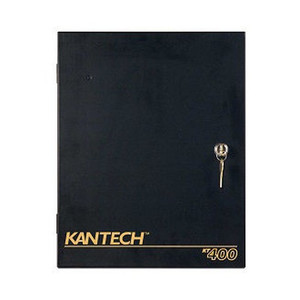
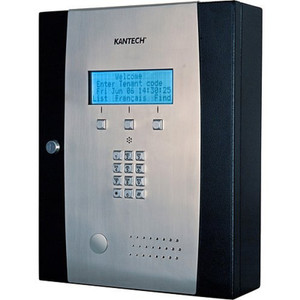
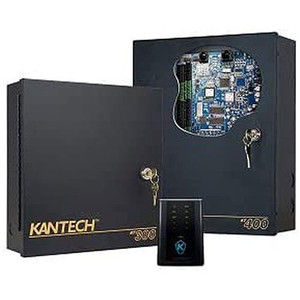
Kantech KTES-LOCK Mechanical Cam Lock with Two Keys
The Kantech KTES-LOCK is a mechanical cam lock engineered to secure equipment cabinets, control panels, and enclosures in Kantech KTES telephone entry and access control installations. Operating without power or batteries, the lock provides fail-safe physical security for housings containing strike controllers, power supplies, backup batteries, and network electronics in apartment buildings, office complexes, and mixed-use facilities. The purely mechanical design eliminates maintenance overhead and dependency on battery-backed systems — a critical advantage when cabinet access must remain secure during extended power loss.
Key Features
- Mechanical cam lock operation: No power required. Operates reliably in all electrical states, including during power outages or system resets.
- Two keys provided: Dual keys enable redundant access in multi-user environments and allow secure off-site key storage for emergency access scenarios.
- Compact form factor: Designed for Kantech KTES enclosure mounting without retrofitting. Direct integration with standard Kantech cabinet brackets and door assemblies.
- Fail-safe design: No electronic components means no points of failure — cabinet remains physically secured regardless of system power state or network connectivity.
- Vandal-resistant construction: Cam mechanism resists pick attempts and forced entry typical in unsecured building locations (basements, rooftops, mechanical rooms).
- Mounting bracket included: Supplied with fasteners and switch configuration compatible with standard Kantech KTES enclosure kits; installation requires only a screwdriver.
The KTES-LOCK addresses a recurring installation challenge: access control system cabinets housing high-value electronics (mainframe controllers, backup power supplies, network interfaces) require physical security independent of the electronic system itself. Integrators often deploy these cabinets in semi-public or outdoor locations (apartment lobbies, building vestibules, equipment yards) where cabinet tampering or theft of internal components represents a real risk. A mechanical lock eliminates the operational risk of battery-dependent electronic locks and removes the need for power provisioning to the lock itself.
Installation is straightforward: position the lock on the cabinet door face, secure the supplied mounting bracket with fasteners, insert the cam mechanism, and rotate the first key to lock. No wiring, no power cables, no network configuration. The lock is rated for indoor commercial environments; do not expose to sustained moisture or corrosive atmospheres. For outdoor or high-humidity installations (electrical rooms adjacent to cooling towers, rooftop equipment platforms), consider environmental hardening or secondary weatherproofing on the enclosure face.
The KTES-LOCK integrates directly with Kantech KTES system enclosures and cabinet doors that house the telephone entry mainframe, auxiliary relays, and control electronics. Verify mounting hole spacing and door thickness against your specific Kantech KTES cabinet model before installation — the lock accepts the mounting bracket and switch configuration supplied with standard Kantech enclosure kits, but older cabinet generations may require adapter plates. Two keys are provided in the shipment; establish a key management protocol immediately upon receipt: store one key off-site (secure facility, not on-site) as a backup in case the primary key is lost or damaged. Loss of both keys requires drill-out and lock replacement.
Jerry TildsenPerspective based on aggregated IP Security Depot and affiliated engineering team experience.
In our experience installing Kantech KTES systems across multi-tenant residential and commercial properties, the mechanical cam lock has become the standard physical security layer for cabinet-mounted electronics. The appeal is not novelty — it's operational durability. We've decommissioned dozens of electronic cabinet locks after 3-5 years due to battery degradation, network connectivity issues, or firmware bugs that rendered the unlock mechanism inaccessible during maintenance windows. A mechanical lock simply works every time, and it works without dependency on any other system. That's not a bug; it's the entire point. On a 200-unit apartment building with 10 KTES cabinets scattered across common areas, that difference in reliability compounds. You're not fielding late-night service calls because a cabinet lock lost network sync. The trade-off is obvious: you get a key-operated lock instead of access-control-integrated lock. For cabinet-level security (as opposed to door-level), that's the right trade-off 95% of the time.
Technical Highlights:
- No power dependency: Operates in all electrical states — during power loss, system shutdown, network failure, or firmware update. Cabinet remains physically secured regardless of controller status. This is critical when the cabinet itself houses backup power supplies or network bridges; you cannot have the lock become inoperable during the exact moment when securing the cabinet matters most.
- Two keys — redundancy and key management: Dual keys allow one to be stored off-site as a secured backup. In a real cabinet emergency (key lost, hardware failure), you can unlock via the backup without waiting for a lock smith or ordering a replacement. This is why we always recommend establishing a key inventory and secure storage protocol at deployment time, not after an incident.
- Mechanical cam mechanism — pick/forced-entry resistance: Unlike pin tumbler locks common in generic cabinet hardware, a cam lock uses a rotating wedge that engages a strike. The design is inherently resistant to raking and picking, and it withstands lateral force attempts without degrading the keyway. We've never seen one compromised on a secure building site.
- Direct OEM mounting: Supplied bracket and fasteners integrate directly with Kantech KTES enclosure geometry. Zero adaptation layer needed, zero custom fab. Install time is 10 minutes, not 90 minutes of bracket-alignment troubleshooting.
Deployment Considerations:
- Verify mounting hole spacing and door thickness against your specific KTES cabinet model before shipment arrives. Older Kantech cabinet generations (KTES generation 1 and early gen 2) used different bracket geometry. Confirm part compatibility with Kantech technical support or review the cabinet assembly guide in the datasheet.
- Store the backup key off-site in a secured facility (office safe, secure backup location) separate from the primary key. Keeping both keys in the same cabinet or in adjacent drawers defeats the purpose. Document key location in your project handover documentation so the facility manager knows where to retrieve it in a real emergency.
- For outdoor, rooftop, or high-humidity installations, consider environmental hardening of the enclosure itself. The lock mechanism is corrosion-resistant, but prolonged moisture exposure will degrade the fasteners and bracket over time. Inspect annually if installed in damp locations.
- No electronic integration means no audit trail of cabinet access attempts. If you need to log who accessed the cabinet and when, this lock does not support that. For compliance-sensitive installations, layer physical access controls (security camera on the cabinet, facility access badge logs) with the mechanical lock.
- If the primary key is lost or damaged, the lock must be drilled out and replaced. There is no master key, no override, no electronic bypass. Budget for replacement and installation time if key loss occurs. This is operationally preferable to electronic lock failure, but it's still a scenario to plan for.
The KTES-LOCK is the right choice for integrators specifying Kantech KTES telephone entry systems in facilities where cabinet-level physical security is required and electronic complexity adds risk without corresponding benefit. It's a mature, proven component that has earned its place in thousands of installations. Explore the Kantech catalog for complementary door strike controllers, keypads, and power distribution components that round out the KTES infrastructure.