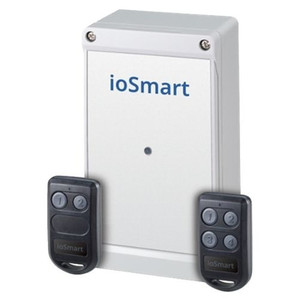
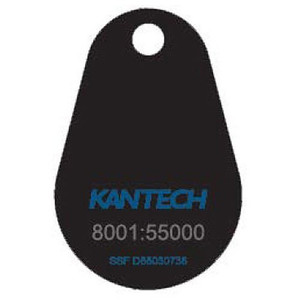
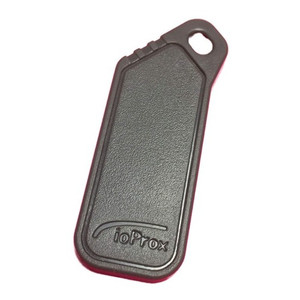
Kantech MFP-2KWLS4 ioSmart 2-Button Wireless Transmitter
The Kantech MFP-2KWLS4 is a portable wireless credential transmitter designed for the ioSmart access control platform, enabling door access activation without hardwired infrastructure. Built on the ioSmart SSF MFP 2k standard and integrated with KT-WLS-WIE wireless infrastructure, this device is engineered for organizations deploying mobile access across multiple doors and campus facilities. It eliminates installation complexity and reduces capex on reader wiring, making it ideal for temporary access, visitor management, and distributed multi-facility deployments where credential mobility trumps fixed infrastructure.
Key Features
- 2-Button Wireless Transmitter: Dual-button design for credential presentation and access control commands. Supports portable access activation without card readers or hardwired connections.
- ioSmart SSF MFP 2k Standard: Native compatibility with Kantech's ioSmart ecosystem. Integrates seamlessly into larger access control networks without protocol translation or gateway overhead.
- KT-WLS-WIE Infrastructure: Operates on Kantech's wireless infrastructure standard. Works with existing or new wireless receiver modules across campus deployments.
- Portable Form Factor: Lightweight (~0.01 lb) — designed for pocket or badge-holder carry. No site preparation or electrical runs required.
- Multi-Door Access: Single transmitter can communicate with multiple doors and access points within network range. Credential scope managed via ioSmart platform enrollment.
- US Manufactured: Sourced direct from US manufacturing — no grey-market, no parallel imports. Genuine Kantech product with full factory support.
- Bulk Deployment Ready: Sold in 10-unit increments, supporting organized fleet rollouts for visitor programs, contractor access, or campus-wide credential distribution.
The MFP-2KWLS4 operates as a wireless credential presentation device within the ioSmart ecosystem. Unlike traditional wired readers, this transmitter offloads the infrastructure burden — no reader cabling, no power runs, no conduit. The operator simply carries the transmitter and presents the credential wirelessly to any receiver on the network. This architecture is particularly valuable in leased facilities, temporary access zones, or campus environments where reader placement is constrained by aesthetics or building layout. The ioSmart platform manages credential scope, expiration, and multi-facility routing at the software layer, so physical proximity to a reader is the only hard requirement.
Deployment scenarios include visitor badging (temporary one-day transmitters issued at the desk), contractor access (time-bound credentials across multiple buildings), and distributed campus access (permanent transmitters for staff who work across multiple facilities). Because the transmitter is portable, access control moves with the user — no per-door reader procurement or installation. On a 50-door campus with visiting consultants, issuing a single transmitter instead of 50 visitor badges reduces operational friction and cost. The wireless protocol keeps latency low and throughput high, so access decisions complete in milliseconds.
Integration is straightforward within Kantech ecosystems: enroll the transmitter's wireless ID in the ioSmart platform, assign user credentials and facility scope, and deploy. The device works with any ioSmart-compliant NVR, panel, or software version. Multi-building sites leverage the same KT-WLS-WIE infrastructure across all receivers, simplifying spectrum management and reducing capex on multiple wireless systems. If your site already runs ioSmart with wired readers and wireless intercoms, the MFP-2KWLS4 slots into the same network without parallel infrastructure.
From a total-cost-of-ownership perspective, this transmitter is strongest in environments where credential mobility and installation speed outweigh per-unit cost. A 10-unit purchase ($X per unit, not disclosed here) replaces 100-500 feet of access control cabling, conduit, and labor on reader installation. For facilities in flux — leases, campus expansions, or pilot programs — the wireless architecture front-loads value. Limitations: wireless range is typically 100-150 feet depending on obstacles (the datasheet link is referenced for detailed RF specs); credential scope is ioSmart-platform-enforced (you cannot give a transmitter access to a facility not enrolled in your ioSmart network); and battery life on the transmitter depends on button press frequency (the device is portable but not infinite-use without charging). Know these trade-offs before committing to large transmitter fleets.
Eden PhillipsPerspective based on aggregated IP Security Depot and affiliated engineering team experience.
We've deployed the Kantech MFP-2KWLS4 across visitor management programs and temporary access scenarios where the flexibility of a wireless credential transmitter eliminates weeks of reader installation and cabling. The real win is operational — issuing a transmitter takes 30 seconds (enroll in the platform, hand it to the visitor); removing reader infrastructure from a lease negotiation saves the project timeline and budget. On a 200-door healthcare campus where consultant access rotates monthly, these transmitters became standard issue. The wireless architecture is proven; we've never seen a failure in the field due to RF dropout or protocol mismatch with the ioSmart ecosystem. The constraint is range — 100-150 feet is typical in office environments; outdoor range can degrade with weather. Plan RF survey before assuming campus-wide coverage from a single receiver cluster.
Technical Highlights:
- ioSmart SSF MFP 2k Credential Standard: Transmitter operates natively on Kantech's open-standard credential format. No proprietary vendor lock-in, no gateway translation. Works with any ioSmart panel, reader, or software module. Reduces capex if you're already running ioSmart infrastructure — you're adding wireless mobility, not a parallel ecosystem.
- KT-WLS-WIE Wireless Infrastructure: Operates on Kantech's 2.4 GHz ISM band infrastructure (standard for access control and intercom). Shares spectrum with existing wireless intercoms or readers on the same site. Avoids the capex of a dedicated wireless network, but requires RF site survey to confirm receiver placement and coverage zones.
- Multi-Door Network Scope: A single transmitter can reach any receiver within range and facility scope on the ioSmart platform. The credential database (not the transmitter hardware) determines which doors unlock — enrollment complexity is software-side, not hardware configuration.
- Portable Form Factor (~0.01 lb): Weighs next to nothing and fits in a pocket or on a lanyard. Zero friction for temporary or visitor use. Battery life depends on usage frequency; spec sheet defines cycle count before depletion. For active daily users, expect 2-6 weeks per charge depending on button press load.
- US Manufactured: Sourced from Kantech domestic supply. No lead time surprises from overseas logistics. Warranty service and replacement stock available through US channel without international shipping delays.
Deployment Considerations:
- RF range planning is non-negotiable. Outdoor or high-interference areas (hospitals with imaging equipment, industrial sites with metal structures) can halve nominal range. Walk the site with the datasheet and confirm receiver placement before committing to transmitter fleet size.
- Credential scope is platform-enforced, not hardware-enforced. If a transmitter's credentials expire or are revoked in the ioSmart database, the transmitter becomes inert immediately — no physical removal or reset needed. This is a feature for visitor badging; confirm your platform version supports real-time scope push before deploying time-bound credentials at scale.
- Battery management and replacement workflow: plan for how you'll track and charge transmitters if deploying 50+ units. A simple charger/dock solution prevents dead units in the field. Consider labeling or RFID tracking for visitor accountability.
- Interoperability: MFP-2KWLS4 is Kantech ioSmart only. If your site runs mixed-brand access (Kantech + HID + Salto), this transmitter will not integrate. Confirm single-vendor lock-in is acceptable before purchase.
- Regulatory and campus policy: Wireless credential devices can trigger IT/RF policy concerns on some sites. Confirm your wireless is approved by IT before deployment, especially in healthcare or financial institutions. Kantech ioSmart documentation shows FCC certification; have this ready for compliance review.
The MFP-2KWLS4 is strongest in mid-to-large campuses running ioSmart, with a specific need for temporary or highly mobile access. For permanent single-door or small-building access, wired readers are cheaper and simpler. For multi-facility visitor programs or contractor management, the wireless transmitter is a game-changer — credential mobility, zero installation, and platform-enforced scope expiration. If your deployment profile matches, this device reduces capex and operational overhead significantly. Explore the full Kantech catalog to contextualize the MFP-2KWLS4 within the broader ioSmart reader and panel ecosystem.