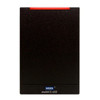
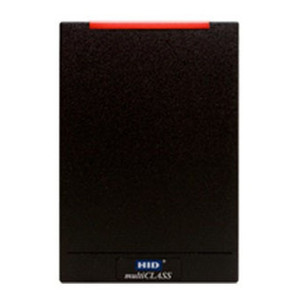
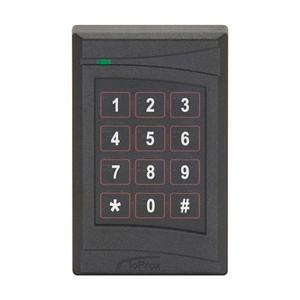
Kantech HID-PIVRPK40HP Single Gang Reader with Keypad
The Kantech HID-PIVRPK40HP is a professional-grade single gang credential reader designed for secure access control integration in wall and rack-mount installations. Built on HID's pivCLASS platform, this reader combines proximity card technology with an integrated numeric keypad, enabling hybrid authentication strategies that support both card-based and PIN-code verification in a single compact device.
Key Features
- 75-Bit FIPS Compliance: Exceeds standard 26-bit Wiegand output with FIPS-certified security level, meeting government and enterprise compliance mandates for controlled access environments.
- Dual Credential Support: Integrated proximity card reader combined with numeric keypad allows flexibility between proximity-only, PIN-only, or dual-factor authentication modes.
- Wiegand Interface: Native Wiegand protocol output ensures seamless compatibility with legacy and modern access control systems without requiring gateway conversion.
- Single Gang Form Factor: Compact design fits standard electrical enclosures and control panel installations, simplifying integration into existing infrastructure.
- Professional Finish: Black finished housing blends into standard wall and rack installations for a clean, integrated appearance.
Technical Specifications
- Mount Type: Wall and Rack compatible
- Form Factor: Single Gang Reader
- Security Certification: FIPS 75-bit
- Credential Technology: HID Proximity Card (Standard Prox)
- Output Protocol: Wiegand
- Input Method: Integrated Numeric Keypad
Ideal Applications
The HID-PIVRPK40HP is specified by security integrators and IT managers for facilities requiring hybrid credential systems where flexibility across multiple authentication methods is mandatory. Suitable deployments include secure facility entry points, server room access, data centers, government buildings, and corporate access control environments where both card-based and PIN-code verification strengthen security posture.
This reader is ideal for organizations transitioning to modern access control while maintaining backward compatibility with existing Wiegand-based systems, eliminating costly system overhauls.