
Paging & Speaker Accessories
Showing Results for Paging & Speaker Accessories
-
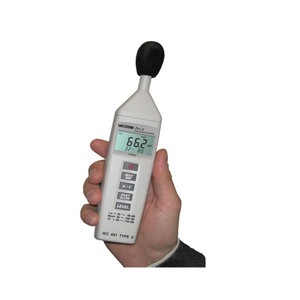
Valcom
SKU: V-9992
Valcom V-9992 Digital Sound Level Meter
Wall-mounted digital sound level meter for PA system commissioning
- Wall-mount sound level meter for continuous control-room monitoring
- Microphone input captures ambient audio levels for system tuning
- 0.8 lb digital sound level meter for technical-space deployment
$318.48 $169.99 Save $148.49 -
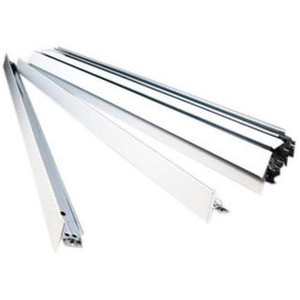
Valcom
SKU: V-TBAR
Valcom V-TBAR Ceiling Speaker T-Bar Mount
T-bar mount for 1×2 and 2×2 lay-in ceiling speakers
- T-bar bracket secures lay-in ceiling speakers within tile grids
- Purpose-built for suspended ceiling tile retention
- 3.15 lb ceiling-mount bracket made in the United States
$8.14 $3.99 Save $4.15
Paging & Speaker Accessories
Paging speaker accessories support proper installation, protection, and performance of commercial audio systems. From mounting hardware and grilles to weather protection and installation components, the right accessories ensure reliable long-term operation.
Plan Your Deployment
- Compatibility with specific speaker models
- Indoor vs outdoor environmental requirements
- Mounting type and installation surface
- Weather protection and durability needs
- Serviceability and long-term maintenance planning
Paging & Speaker Accessories — Engineering-Grade Commercial Security for Commercial Deployments
This category covers 26 working models of paging & speaker accessories sourced manufacturer-direct or through channel-direct US distribution. Build the rest of your system around the architectural choices below — compatibility, environmental rating, and lifecycle decisions made here propagate through every downstream component you specify.
What to Look For
Compatibility with your existing infrastructure is the first decision. Verify the part numbers, voltage requirements, mounting patterns, and software/firmware compatibility against the rest of your system before ordering. Cross-brand substitutions sometimes work; the most common installation rework comes from skipping that verification step under time pressure.
Environmental rating drives material and installation choice. Indoor and outdoor units have very different ingress-protection requirements. Industrial environments add temperature, vibration, and chemical-exposure considerations. Spec the right environment rating up front — derated or mismatched hardware looks cheaper at purchase but fails early in service.
Integration with adjacent systems matters more than spec-sheet feature lists. ONVIF, OSDP, SIP, and various vendor APIs each enable different cross-system workflows. Confirm the integration paths required for your end-to-end use case before locking in any individual component; the cheapest component in isolation often forces the most expensive integration work downstream.
Total cost of ownership includes installation labor, warranty horizon, software/firmware update commitments, and consumables. Hardware with 5-year warranties and free firmware updates typically outlives cheaper alternatives that hit end-of-life within 3 years. For commercial installs that will operate for a decade, the lifecycle of the manufacturer's product line matters as much as the unit's spec.
Key Specs in This Category
| Spec | Available Options |
|---|---|
| Resolution | 4MP |
| IP Rating | IP54, IP66 |
| Connectivity | Wired |
| Power | PoE, AC/DC, PoE+ |
| Storage | microSD |
| Type | Speaker, Accessories, Page Controls, Accessory, Intercom Systems, Message on Hold |
Top Brands in This Category
Frequently Asked Questions
How do I confirm compatibility with my existing system?
Match the manufacturer and model line against your existing equipment's datasheets and compatibility lists. For mixed-vendor installations, verify against documented integration paths (ONVIF, OSDP, SIP, vendor APIs) rather than assuming a generic standard covers the use case. Our Senior Specialists can help with compatibility verification before purchase — sending the existing equipment model numbers prevents the most common ordering errors.
What's the typical lead time?
Most items in stock ship the same business day from our warehouse. Items showing 'special order' typically ship in 2-3 weeks direct from the manufacturer or channel-direct US distribution. For project planning, confirm stock status before finalizing a project schedule; manufacturer back-orders on specialty hardware can extend beyond 4-6 weeks during supply-chain disruptions.
Do you offer volume pricing?
Yes. For quantities above typical single-deployment counts, contact a Senior Specialist for project pricing. We work with manufacturer-direct sourcing for many lines, which gives us pricing flexibility on larger orders. Build the project quantity from your bill-of-materials and request quote pricing — line-item discounts often combine for meaningful project savings.
What warranty applies?
Manufacturer warranty terms vary by product line. Most cameras, recorders, and access control hardware carry 3-5 year manufacturer warranties; accessories typically carry 1-2 years. Specific terms are listed on each product page when published by the manufacturer. We handle the warranty processing for items purchased through us, including advance-replacement when the manufacturer offers that option.
Can I get help with system design?
Yes — talk to a Senior Specialist before ordering for any non-trivial system. We work with commercial installers on design verification, parts-list completeness, and compatibility checks. The conversation typically saves project labor on the back end by catching missing parts and incompatible substitutions during procurement instead of mid-install. Direct line 877-277-7147 or use the contact form.
Need help choosing? Talk to a Senior Specialist — direct line 877-277-7147 or request a quote.