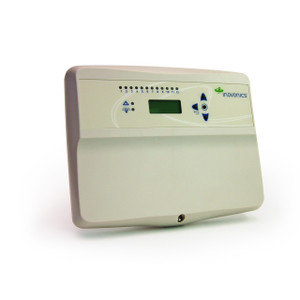
Inovonics EN1248 Wireless Glassbreak Intrusion Sensor
Overview
The Inovonics EN1248 is a wireless glassbreak detection sensor designed to fill a critical gap in perimeter intrusion protection: detecting forced entry attempts targeting glass surfaces. Operating on the 902-928 MHz ISM frequency band, the EN1248 delivers acoustic glass fracture monitoring without hardwired connections—a practical advantage when retrofitting older buildings or new construction where running cables to glass perimeter points would be cost-prohibitive or aesthetically unacceptable.
Key Features
- 902-928 MHz ISM Band Wireless Connectivity: Uses the unlicensed industrial-scientific-medical frequency band standard across North American wireless security ecosystems. This means the EN1248 coexists cleanly with other wireless intrusion sensors and control panels in the same installation—no frequency conflicts, no licensing required.
- Battery-Powered Operation: Eliminates the need for DC hardwiring or PoE infrastructure to glass mounting points. Battery life depends on transmission frequency and signal strength, so plan for periodic monitoring through your wireless receiver panel to catch low-battery alerts before detection gaps occur.
- Acoustic Glassbreak Detection: Monitors for the acoustic energy signature released when glass fractures under impact. The EN1248 detects this acoustic event and transmits an alarm signal to the paired wireless receiver—faster than waiting for a motion detector to register post-breach movement.
- EchoStream Wireless Architecture: Manufacturer's proprietary transmission protocol ensures reliable pairing and signal propagation within the specified facility range. Verify receiver panel compatibility with the EN1248 before purchase, as wireless sensor pairing protocols vary by manufacturer.
- Flexible Deployment on Glass Surfaces: Mounts directly on windows, glass doors, storefronts, and architectural glass panels. Proper placement within approximately 12 inches of the glass pane and on the frame (rather than the glass itself) optimizes acoustic coupling and detection reliability.
- Integration into Layered Perimeter Strategy: Glassbreak sensors work best when combined with motion detection, door/window contacts, and control panel monitoring. A single glassbreak sensor is not a perimeter protection solution by itself—think of it as one detection method among several, each addressing a different threat vector.
Integration & Compatibility
The EN1248 operates as a discrete wireless endpoint on the 902-928 MHz band. This frequency allocation is standard in North America for wireless security devices, so coexistence with other sensors in your ecosystem is straightforward. Before deployment, verify that your wireless receiver panel supports EchoStream protocol and has available sensor slots. Wireless sensor pairing procedures vary—consult your panel's user guide for binding instructions specific to the EN1248.
The wireless architecture eliminates installation labor associated with running acoustic sensor cables through building infrastructure. On retrofit projects, this can reduce drilling, conduit routing, and wall patching costs significantly compared to hardwired glass break detectors.
Deployment Considerations & Site Survey Requirements
Glassbreak detection sensitivity depends heavily on the installation environment. Glass thickness, mounting surface type, and ambient noise conditions all affect detection reliability. In high-noise environments—busy retail storefronts, warehouses near mechanical equipment, manufacturing facilities—false alarm rates may increase if sensitivity thresholds are not properly tuned during commissioning. Conduct a site survey before final deployment, especially in noisy areas. Test detection response at actual glass surfaces under various conditions (day/night operation, HVAC cycles, traffic noise).
Battery status monitoring is essential. The wireless receiver panel should be configured to alert on low battery conditions so you can replace batteries before the sensor loses power. Document battery replacement intervals in your maintenance schedule.
The EN1248 should be integrated into a comprehensive perimeter security design that includes motion sensors at entry points, door/window contacts on access doors, and centralized control panel monitoring. Glassbreak detection alone cannot prevent intrusion—it detects one method of forced entry. Pair it with other sensors to cover multiple threat vectors.
Frequently Asked Questions
Q: Does the EN1248 work with my existing wireless security panel?
A: The EN1248 operates on the 902-928 MHz ISM band and uses EchoStream protocol. Compatibility depends on your receiver panel's support for both the frequency band and EchoStream pairing. Verify with your panel manufacturer or integrator before purchase.
Q: What causes false alarms with glassbreak sensors?
A: Loud ambient noise—mechanical equipment, HVAC systems, heavy traffic—can trigger false alarms if the sensor sensitivity is too high. Site surveys during commissioning help establish appropriate thresholds for your environment. High-noise facilities may experience higher false alarm rates and require more sensitive tuning.
Q: How far from the glass should I mount the EN1248?
A: Optimal placement is within 12 inches of the glass pane, typically on the window frame rather than the glass itself. Frame mounting improves acoustic coupling and detection reliability. Placement too far from the glass reduces detection sensitivity.
Q: How long does the battery last in the EN1248?
A: Battery life depends on transmission frequency, signal strength conditions, and how often the sensor transmits. Regular battery status monitoring through your wireless receiver panel is essential to prevent detection gaps. Replace batteries based on low-battery alerts from the panel.
Q: Can the EN1248 be used outdoors?
A: The EN1248 is designed for intrusion detection in protected environments. Check the datasheet for environmental operating specifications (temperature, humidity, moisture resistance) before deploying in unprotected outdoor locations.
Ted PerryPerspective based on aggregated IP Security Depot and affiliated engineering team experience.
The Inovonics EN1248 addresses a real vulnerability in wireless perimeter security: glass surfaces are quick entry points that motion sensors and door contacts cannot independently detect. On retrofit installations where hardwiring acoustic sensors would mean drilling through walls and running conduit, the EN1248's wireless architecture on the 902-928 MHz band is a practical choice. Paired with motion sensors and door contacts as part of a layered strategy, it fills a detection gap without installation complexity.
Technical Highlights:
- 902-928 MHz ISM Band Operation: Standard North American wireless frequency means no licensing, no coordination hassles, and clean coexistence with other sensors in the same ecosystem. This band is proven, well-established, and avoids the frequency conflicts you'd encounter if sensors operated on different standards.
- Battery-Powered Wireless Deployment: Eliminates hardwired DC or PoE runs to every glass perimeter point. On a 20-window storefront, this saves cable runs, conduit, and installation labor. Battery monitoring through the receiver panel keeps you ahead of power loss—schedule battery checks into your maintenance routine.
- Acoustic Fracture Detection: Detects the acoustic energy released when glass breaks under impact. Sensitivity depends on glass thickness, frame material, and ambient noise. High-noise environments (manufacturing floors, busy storefronts near traffic) require careful commissioning to avoid false alarms.
Deployment Considerations:
- Site survey is essential in noisy environments. Test the EN1248 on actual glass surfaces under day/night conditions and during HVAC cycles. Sensitivity tuning during commissioning prevents false alarms downstream.
- Battery replacement intervals vary with transmission frequency and signal strength. Monitor battery status alerts from your receiver panel—don't wait for the sensor to go silent before replacing batteries.
- The EN1248 is one detection method, not the entire perimeter strategy. Pair it with motion sensors at entry points and door/window contacts on access doors for comprehensive coverage.
Deploy the EN1248 on glass perimeter points in retail, warehouse, or office environments where wireless operation is preferable to running sensor cable through the building. Especially cost-effective on retrofit projects where hardwiring would drive installation costs above the wireless alternative.