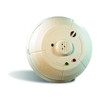
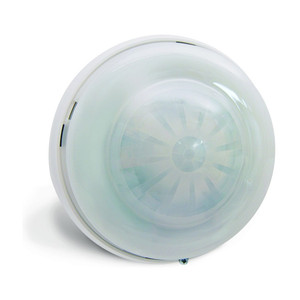
Inovonics EN1245 Wireless CO Detector
The Inovonics EN1245 EchoStream is a wireless carbon monoxide environmental sensor designed for integration into multi-sensor security and building management systems. Operating on the 902-928 MHz frequency band, this detector provides wireless transmission of CO detection events to compatible control panels and monitoring hubs, enabling centralized environmental monitoring across facilities without dedicated hardwired CO detection infrastructure.
Overview
Environmental monitoring is a critical component of modern facility management, particularly in commercial buildings, hospitals, hotels, and multi-tenant properties where carbon monoxide hazards can develop in HVAC systems, parking structures, and enclosed spaces. The EN1245 addresses this requirement through wireless connectivity, eliminating the need for conduit runs and wiring infrastructure while maintaining reliable event reporting to security and building automation systems.
Key Features
- Wireless Transmission: 902-928 MHz frequency band enables integration with wireless security ecosystems and HVAC monitoring networks
- Environmental Sensor Designation: Purpose-built for CO detection and environmental hazard reporting
- EchoStream Protocol: Inovonics wireless transmission standard designed for reliability in multi-story and RF-challenged environments
- Installation Flexibility: Wireless form factor eliminates conduit requirements and simplifies retrofit applications in existing buildings
- Event Reporting: Transmits CO detection alerts to compatible control systems and remote monitoring stations
- System Integration: Compatible with Inovonics wireless security platforms and third-party systems supporting 902-928 MHz protocols
Integration & Compatibility
The EN1245 integrates with Inovonics EchoStream wireless control panels and compatible third-party receivers supporting the 902-928 MHz frequency band. Facility managers and security integrators can deploy the EN1245 as part of comprehensive environmental monitoring strategies that combine intrusion detection, access control, and building systems oversight. The detector transmits CO events to the control panel, which can trigger alarms, notifications, or automated responses such as HVAC shutdown or emergency alerts.
Installation requires placement in locations where CO hazards are most likely to develop—typically near furnaces, water heaters, parking area vents, or loading docks. The wireless design allows technicians to position sensors optimally without regard to wiring constraints, improving detection accuracy and system coverage.
Package Contents
The EN1245 is supplied as a complete wireless sensor unit. Installation involves mounting the detector in the target location and enrolling it with the compatible control panel using standard Inovonics commissioning procedures.
Ted PerryPerspective based on aggregated IP Security Depot and affiliated engineering team experience.
I've evaluated the Inovonics EN1245 during planning phases for multi-building campus deployments where hardwired CO detection was cost-prohibitive. The EN1245 delivers practical wireless environmental sensing without requiring extensive infrastructure investment, and the 902-928 MHz band provides solid propagation characteristics in concrete and steel-frame structures.
Technical Highlights:
- Wireless Frequency: 902-928 MHz ISM band provides reliable range and coexistence with other security wireless devices
- Product Class: Environmental sensor, not life-safety certified CO detector—must be verified for compliance with applicable building codes and NFPA 72 requirements in your jurisdiction
Deployment Considerations:
- Confirm that the EN1245 meets local and state building codes for CO detection—some jurisdictions require UL 2075 certified detectors with specific alarm thresholds, and wireless transmission may not satisfy all regulatory requirements
- Plan sensor placement near known CO sources (furnaces, water heaters, garages) and test RF coverage before full deployment
For integrators managing multi-building or distributed facilities, the EN1245 simplifies CO monitoring deployment when building codes permit wireless sensors. Verify code compliance early in the design phase, as some markets still require hardwired, code-certified detectors regardless of system architecture.