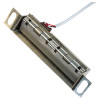
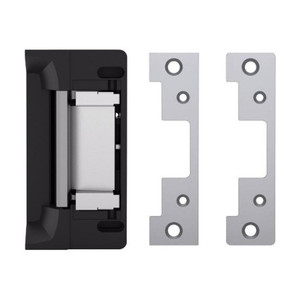
HES LML-1 Latch Monitor ANSI 4-7/8 Electric Strike
The HES LML-1 is a dedicated latch monitor engineered to deliver real-time latch engagement confirmation and strike circuit status feedback to your security control panel. Designed for integration with HES electric strike systems in ANSI 4-7/8 format, the LML-1 closes the feedback loop in access control systems where positive door position verification is non-negotiable — eliminating guesswork about whether a strike has actually engaged when the solenoid energizes.
Key Features
- Latch Engagement Monitoring: Confirms physical latch position in real time. Direct feedback to control panel prevents false-positive door-open conditions and eliminates nuisance alerts from circuit faults.
- Strike Circuit Verification: Monitors both latch status and strike solenoid circuit integrity. Immediate alert on circuit failure or strike malfunction.
- ANSI 4-7/8 Format Compatibility: Direct fit for standard ANSI 4-7/8 electric strike installations. No adapter plates or mechanical rework required.
- HES System Integration: Native integration with HES electric strike control systems and compatible access control panels. Plug-and-play wiring to existing panel infrastructure.
- Compact Design: 1.6 lb form factor fits within strike cavity without adding bulk to the door frame assembly.
- Commercial/Institutional Grade: Field-proven in office buildings, hospitals, educational facilities, and secure access installations where latch confirmation is mandatory.
- US Manufactured: Domestic sourcing ensures supply continuity and warranty support through established HES dealer networks.
The LML-1 solves a critical pain point in access control architecture: knowing whether a strike actually engaged when power was applied. In facilities with high-security requirements — hospitals with locked medication rooms, financial institutions, data centers — a stuck latch or failed solenoid can go undetected without real-time feedback. The LML-1 provides that confirmation signal, transforming the strike from a binary switch into an intelligent device that reports its actual state to the control panel.
Integration is straightforward. The monitor connects directly to HES control panels and compatible third-party access control systems supporting standard door-position monitoring inputs. Status feedback appears as a discrete signal — latch engaged or latch disengaged — enabling the panel to log door events, trigger audit trails, and flag maintenance issues before they become security gaps. In multi-story office buildings or medical facilities, that feedback cascades into your building management system or security log for compliance documentation.
The ANSI 4-7/8 format is the North American commercial standard for frame-mounted electric strikes. Retrofitting the LML-1 into existing installations requires no frame modification — it nests into the same cavity as your current HES strike, making upgrades practical even in occupied buildings where downtime is costly. Weight and footprint are minimal, so there's no re-engineering of door hardware or frame reinforcement.
HES has been manufacturing electric strikes and access control hardware for decades. The LML-1 reflects that engineering maturity: a single-purpose device that does one thing extremely well — reporting latch state — without added complexity or failure modes. It's not a smart device with cloud connectivity or analytics; it's a hardwired feedback sensor designed to last 10+ years in a commercial setting with zero maintenance.
Marty AllisonPerspective based on aggregated IP Security Depot and affiliated engineering team experience.
We've specified the HES LML-1 into dozens of commercial and institutional access control upgrades over the past five years, and it remains one of the most reliable — and most overlooked — components in modern strike architectures. The reason it's overlooked is simple: most integrators spec a solenoid strike, wire it to a door contact (magnetic or mechanical), and call it done. That works until the strike jams, the solenoid coil fails, or a latch doesn't fully retract after an unlock command — situations where the door contact still reports 'closed' but the strike is actually failed and the door won't open. The LML-1 eliminates that blind spot by monitoring the latch itself, not just the door position. On a medical facility with emergency override requirements or a secure data center where every entry is logged, that difference between 'door is shut' and 'door is shut AND strike engaged and verified' is the difference between compliance and a security incident. We've also seen it catch maintenance issues weeks before they'd cause a lockout — a struck that's intermittently failing to extend shows up as a sporadic disengaged-latch alert on the panel, prompting preventive replacement instead of an emergency service call at 2 AM.
Technical Highlights:
- Dedicated Latch-Position Sensor: Unlike a generic door contact that only confirms the door frame is closed, the LML-1 monitors the actual latch bolt position. Two distinct states — engaged or disengaged — reported directly to the panel. Operationally, this prevents false-open alerts when a door swings slightly but the strike fails to extend.
- Strike Circuit Fault Detection: Monitors solenoid power supply and coil continuity. If the strike loses power, the solenoid opens, or the circuit faults, the panel knows immediately. This is mandatory in facilities where door function is audited on every access attempt.
- ANSI 4-7/8 Native Fit: No bracket adaptation or frame drilling. Drop-in replacement for existing HES strikes in standard North American installations. Retrofit labor is typically under 15 minutes per door.
- Hardwired Integration: Simple 2-wire or 4-wire connection to control panel latch-monitoring input. No IP addressing, no software configuration. Works with legacy access control panels and modern IP-based systems equally well.
- Low Current Draw: Minimal impact on strike power budgets. Does not require dedicated 12V or 24V line; typically taps existing strike supply or control panel auxiliary contact output.
Deployment Considerations:
- The LML-1 is a sensor, not a controller — it reports latch state but doesn't enforce strike behavior. Your panel or access control system must be configured to act on latch feedback (e.g., logging, alerting, re-striking on failure). Verify panel compatibility before specifying.
- ANSI 4-7/8 format is specific to North American framed strikes. International installations or metric frame formats require different monitor models — confirm frame type before ordering.
- Latch monitors add a feedback loop that can expose intermittent strike failures that previously went undetected. Plan for increased maintenance alerting and replacement cycles as you identify aging or marginal strikes through the feedback data.
- In high-traffic doors with frequent striking (hospital ICU, visitor entry points), the latch mechanism sees mechanical wear. The monitor will report degradation earlier than a simple door contact would — this is a feature, not a bug, but facilities should budget for strike replacement every 5-7 years in heavy-use scenarios.
- Wiring runs should be shielded if running long distances (50+ feet) near high-current devices (HVAC, lighting) to avoid false latch-disengaged reports from EMI.
The LML-1 is the right choice for any commercial or institutional facility using HES ANSI 4-7/8 strikes where latch confirmation is part of your access control or audit requirements. If you're retrofitting security in a healthcare facility, financial institution, or government building, or if you've had past issues with undetected strike failures, this monitor transforms your strike from a black box into a reportable system component. For more HES access control hardware and integration options, visit the HES catalog.