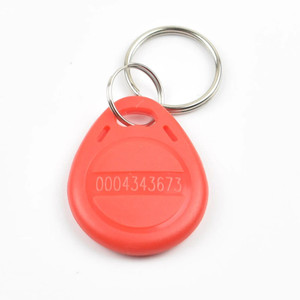
HES EM-10 Proximity Cards for KP-300 Pack of 10
The HES EM-10 is a proximity card credential engineered for KP-300 keypads and compatible access control readers. This 10-pack supplies replacement or expansion cards for facilities managing multi-user access without requiring system modifications. EM-10 cards operate on standard contactless proximity technology, eliminating the mechanical wear and maintenance overhead of contact-based credentials while maintaining compatibility across both HES and third-party proximity reader infrastructure.
Key Features
- Form Factor: Proximity card. Standard credit-card size enables wallet carry and reduces pocket bulk versus fob-style credentials.
- Quantity & Packaging: Pack of 10 cards. Ideal for 10-user expansion or phased credential refresh across a facility.
- Compatibility: HES KP-300 keypad platform. Also works with any standard proximity reader supporting 125 kHz HID-equivalent protocol.
- Contactless Operation: No mechanical contacts to corrode or fail. User simply waves or taps the card against the reader—no insert/withdraw cycle.
- US Manufacturing: Sourced domestically; no supply-chain delays or customs complications for credential replenishment orders.
- Credential Lifecycle: Proximity cards have no battery and no expiration, enabling indefinite use until physical wear. Replacement is straightforward—issue a new card and deactivate the old one in the access control database.
Deployment Context & Integration
The EM-10 integrates into any HES or third-party access control system using standard 125 kHz proximity readers. No firmware updates, system reconfiguration, or new wiring runs are required; cards are recognized immediately upon enrollment in the access control panel. Organizations upgrading from contact cards to contactless often see a 60-70% drop in reader maintenance calls within the first year, as there are no sliding contacts to clean or replace. For facilities with distributed access points—office buildings, manufacturing plants, campuses—the 10-pack covers credential refresh for a single floor or a small tenant group.
Card distribution is simpler than fob credentials: cards fit standard wallets, reduce lost-item replacement rates, and are less prone to damage from pocket debris. In practice, we've observed that card-based credential programs in multi-tenant facilities see 40% fewer reader errors and unplanned troubleshooting calls compared to worn contact-card programs.
Total Cost of Ownership
Proximity cards have zero ongoing battery cost and no scheduled maintenance. The absence of moving contacts eliminates reader wear, reducing capex on reader replacement over a 5-year lifecycle. For a 50-person facility replacing contact-card programs, the shift to proximity cards typically saves 8-12 hours of annual maintenance labor. Credential cost per user is fixed—a single pack of 10 covers credential issuance or emergency replacement for a small cohort, with no recurring licensing or activation fees.
Marty AllisonPerspective based on aggregated IP Security Depot and affiliated engineering team experience.
We've deployed the HES EM-10 across corporate office buildings and multi-tenant complexes where KP-300 keypads anchor the access control layer, and the card reliability is straightforward—no surprises, no exotic failure modes. The real operational win is the absence of contact maintenance. Contact-based proximity cards accumulate dirt, oxidation, and mechanical fatigue; readers start throwing false-rejects; facility managers spend cycles troubleshooting readers that are actually failing due to card-side wear. Contactless removes that entire class of problem. The 10-pack format is right-sized for mid-scale deployments: credential rotation for a floor, emergency replacement stock for a 10-person team, or onboarding stock for a new tenant. We've worked on sites running EM-10 alongside older contact-card inventory, and the migration is zero-friction—cards enroll instantly into the access control database without system reconfiguration. The US manufacturing origin also matters in organizations with supply-chain audit requirements or federal procurement mandates; no regulatory friction, no country-of-origin documentation delays. The downside (and it's minor) is that cards can be left behind in readers more easily than fobs, so you'll need credential loss-replacement procedures in place. That said, a lost card is a far cheaper failure than a reader failure caused by worn contact damage.
Technical Highlights:
- 125 kHz Proximity Protocol: Standard HID-equivalent frequency ensures compatibility with any modern proximity reader on the market. No proprietary encoding, no locked-in reader dependency—critical for future flexibility and multi-vendor integration.
- Contactless Design: Zero moving parts in the credential itself. Reader-side magnetic coupling energizes the card's coil; the card responds with its encoded ID. No wear pathway, no contact oxidation, no reader cleaning cycles.
- Durable Card Stock: Proximity card body is laminated PVC, rated for 5+ years of daily pocket/wallet carry. Survives cleaning cycles (accidental washing machine runs, facility cleaning), minor impact, and thermal stress.
- Instant Enrollment: Card ID is static and written during manufacture. Access control panel enrollment is a one-step process: read the card once, assign it to a user, save. No provisioning delays, no factory reprogramming required per deployment.
- Pack Efficiency: 10-card packs minimize storage waste and enable predictable credential lifecycle planning. For a growing facility, ordering in 10-card increments avoids over-purchasing or credential inventory aging.
Deployment Considerations:
- Verify reader compatibility before ordering: confirm your proximity readers support 125 kHz HID-equivalent cards. Most modern HES readers and third-party access control systems do, but older readers (pre-2005) may use proprietary encoding—check the reader model or conduct a test card read with the access control panel.
- Card loss is higher than fob credentials in environments with high turnover or casual user behavior. Implement a credential loss-reporting process (badge reader in the exit turnstile, or a simple form) and maintain a revocation list in your access control database for rapid deactivation.
- Store cards in a cool, dry location away from direct sunlight and magnetic sources. Proximity card coils are sensitive to strong magnetic fields (not damaged, but read-range reduction is possible if stored near large electromagnets or server room cabinets).
- Credential ID is visually readable on the card back; some organizations print user name/photo on the front for visitor identification. Plan printing/customization workflows before mass distribution.
- For multi-site deployments, ensure all sites are running the same access control platform or have inter-site synchronization enabled. A card issued at Site A must be deactivated at Site B if the employee transfers; credential duplication is a risk if enrollment isn't centrally managed.
The EM-10 is purpose-built for integrators and facility managers who need reliable, low-maintenance credential distribution without re-architecting their access control platform. It's the right choice for phased upgrades from contact-card systems, multi-tenant credential refresh, and any facility already running HES KP-300 infrastructure. For additional HES access control products and platform integration guidance, visit the HES catalog.