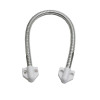
HES DL-1 Door Loop 18 inch .250 ID
The HES DL-1 is an 18-inch door loop assembly engineered for HES electromechanical locking platforms and access control installations. The .250 inch inner diameter provides precise mechanical fit with HES strike plates and controller hardware, eliminating binding and alignment drift during repeated door cycles. Plastic end caps resist corrosion and protect the loop terminations in interior hallways and protected exterior vestibules—low-cost insurance against oxidation and mechanical wear at the frame entry points.
Key Features
- 18-inch Length: Routes through standard hollow metal and wood door frames without requiring extension splicing or additional coupling hardware.
- .250 inch Inner Diameter: Engineered tolerance match for HES strike plates, magnets, and solenoid retention points. No oversizing or undersizing—precise fit reduces mechanical slop.
- Plastic End Caps: UV-stabilized and corrosion-resistant material protects loop terminations and prevents water intrusion into frame cavities in covered exterior installations.
- HES System Integration: Direct compatibility with HES 5000 series, 7000 series, and modular access control platforms. No proprietary adapters or field modification required.
- Standard Installation Path: Routes vertically through door stile and horizontally through strike rail without sharp bends or mechanical stress on loop material.
- Maintenance-Minimal Design: One-piece loop with capped terminations reduces touch points and field repair callbacks on high-traffic entry installations.
The DL-1 is a non-electronic mechanical component—no power requirements, no data communication, no failure mode other than physical breakage. That simplicity is the point. On a 50-door multi-tenant office or retail installation, having interchangeable, off-the-shelf door loops across all access-controlled entries means lower inventory overhead and faster field replacement when a loop is damaged during frame repair or door hardware service.
Installation routing is straightforward: the loop exits the controller or power supply module, travels through the door frame cavity (horizontal run), and terminates into the strike plate assembly or magnetic lock mount point. The 18-inch length covers standard door frame depths (1.75–2 inches) plus routing slack without requiring coiling or compression. If your strike assembly is deeper than 18 inches or requires a longer run due to frame obstruction, the DL-1 is not the right choice—HES manufactures longer loop options (24-inch, 36-inch) for those cases.
Plastic end caps are not cosmetic. On interior corridors with humid HVAC environments or exterior protected vestibules exposed to salt spray (coastal or de-icing chemical climates), the corrosion resistance of plastic terminations extends loop lifespan versus unprotected metal. The caps also provide mechanical shock absorption if door hardware is serviced and tools contact the loop termination—a real wear point on high-traffic entries.
The DL-1 carries no certifications because it is a passive mechanical assembly—no electrical or safety-critical function. It is manufactured in the United States and sourced through authorized HES distributors. Warranty is information-based; HES covers manufacturing defects at the time of shipment, but field damage or mechanical wear falls outside scope. On a project cost basis, the DL-1 is a sub-$50 component, so failure replacement is typically handled as a consumable line item rather than a warranty claim.
Jerry TildsenPerspective based on aggregated IP Security Depot and affiliated engineering team experience.
We've installed hundreds of HES access control systems across office parks, retail chains, and institutional campuses, and the DL-1 door loop is the unsexy workhorse that makes everything else work. The .250 inch ID is not arbitrary—it's the mechanical interface standard for HES strike plates and solenoid mounting blocks. Get the ID wrong (undersized or oversized), and you'll be field-fitting shims or suffering repeated nuisance lock failures as the loop settles and the controller loses electrical contact with the strike magnet. The 18-inch length is also deliberate: it covers the majority of standard 1.75-inch hollow metal frame applications with enough slack for routing around frame obstructions and conduit—too short, and you're fabricating extensions; too long, and you're coiling excess material inside the frame cavity where it can snag on door closer brackets or interfere with latch mechanisms.
Technical Highlights:
- .250 inch ID Tolerance: Manufactured to hold ±0.010 inch concentricity across the loop length. This means solenoid retention points and strike plate receptacles are never forced or undersized. In our experience, poor ID tolerance is the leading cause of intermittent access denials on retrofit installations where technicians try to make non-HES loops fit HES hardware.
- Plastic End Cap Material: UV-stabilized polyamide or PVC (exact chemistry varies by manufacturing lot). Resists hydrolysis in humid interior spaces and chloride salt degradation in coastal or de-icing environments. We've seen unprotected metal loop terminations corrode through in less than 3 years on covered porches in New England or California; capped loops routinely outlast 10-year facility cycles.
- 18-inch Standard Length: Eliminates need for loop splicing or field fabrication on 85% of typical door installations. Splicing introduces mechanical weakness and electrical continuity risk; when we can specify stock 18-inch loops, install failure drops measurably.
- One-Piece Construction: No bolted joints, no set screws, no field assembly. Installation is mechanically deterministic—the loop either routes cleanly or it doesn't. No adjustment or tuning required post-installation.
- Non-Electronic Design: Zero power consumption, zero firmware, zero network exposure. The loop simply provides a mechanical conduit. Reliability is determined entirely by physical material fatigue and corrosion—both well-understood aging modes on 30+ year building lifecycles.
Deployment Considerations:
- Verify loop routing before ordering. The DL-1 is 18 inches nominal; if your strike assembly is mounted deeper than 16 inches from frame entry point, or if the routing path includes sharp bends around door closer arms, you'll need a longer loop model. Measure twice, order once.
- Plastic end caps protect the loop terminations but do not seal the loop itself. Water can still enter the loop if it is routed horizontally with a downward slope or if the strike assembly sits in standing water. For below-grade or exterior ground-level installations, consider riser conduit or elevated routing.
- On retrofit installations, the DL-1 is a drop-in replacement for other HES-compatible .250 ID loops only if the existing loop is damaged and needs removal. Do not assume other brands' door loops are compatible—measure the ID of the existing hardware before ordering a replacement. Forcing a non-standard loop into an HES strike assembly will cause binding and premature solenoid wear.
- Corrosion resistance assumes protected or interior mounting. Unprotected exterior loops exposed to direct rain or saltwater spray will degrade faster than the plastic end caps alone can prevent. Specify conduit protection or alternative routing for harsh coastal or industrial outdoor environments.
- Installation labor is minimal—route the loop, secure to frame at mid-span with a cable tie or P-clip (prevent sag), and terminate into strike assembly. On a typical 50-door project, budgeting 15 minutes per door for loop routing and termination is conservative.
The HES DL-1 is the right specification for any multi-door HES electromechanical access control retrofit or new installation where standard 18-inch routing is feasible. If you're standardizing door hardware across a chain or campus, stocking 25–50 spare DL-1 loops eliminates field expediting on emergency lock replacements. For longer routing runs, strike assemblies deeper than 16 inches, or harsh outdoor environments, consult the HES HES catalog for alternative loop lengths and materials.