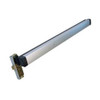
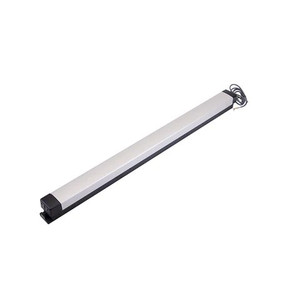
HES 8414-37136 Life-Safety Narrow Stile Mortise Exit Device
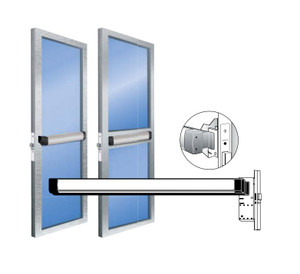
The HES 8414-37136 is a life-safety mortise exit device engineered for controlled egress on narrow stile aluminum and glass door applications. Built for retrofit installations where space is tight and architectural aesthetics matter, this device houses the push-bar mechanism within the door frame cavity rather than protruding externally. The 1-1/8" backset is the standard pocket depth for narrow stile commercial frames, making this a direct drop-in replacement for aging or non-compliant hardware. Ships without an integrated monitoring switch—a design choice that gives integrators full control over sensor selection and monitoring platform integration.
Key Features
- Mortise-Mount Profile: Cavity-embedded installation eliminates external lever arms and strike plates, reducing visual footprint on high-traffic entrance facades while maintaining push-to-exit compliance.
- 1-1/8" Backset: Direct alignment with narrow stile door frame pocket geometry; no custom pocket routing required during retrofit, shortening installation labor and door downtime.
- Aluminum and Glass Door Compatibility: Validated mounting on frameless glass systems and anodized aluminum extrusion frames; works with both hollow-metal and aluminum door leaf constructions.
- No Factory Monitoring Switch: Ships without integrated switch hardware; allows retrofits to pair with existing legacy monitoring infrastructure or add new magnetic or electromechanical sensors per site security design.
- Fail-Safe Operation: Push-bar activation operates mechanically under power loss; meets life-safety egress codes (IBC, NFPA 101) without dependency on powered control systems.
- US-Manufactured: Domestic production sourcing ensures consistent part availability, shorter lead times, and compliance with Buy America and federal procurement preferences where applicable.
Deployment Context and Integration Strategy
The 8414-37136 solves a specific retrofit pain point: aluminum curtainwall entrances and glass vestibules built in the 1990s–2000s with mechanical exit hardware that predates modern access control. Standard mortise exit devices for metal frames often require deeper pocket recesses or custom installation; this 1-1/8" backset matches OEM frame specifications, reducing field modification risk. Integrators often pair this device with an external magnetic switch (wired to the access control system) or a mechanical push-to-exit status monitor to avoid costly door-frame reconstruction.
From a code perspective, the device delivers push-bar egress as a standalone mechanical function—no power, no network dependency. This dual-mode capability (mechanical fallback + monitored operation) is essential in life-safety applications where building code requires egress to remain functional during security system failures or power loss. The absence of a factory switch reduces the per-unit cost and eliminates the need to remove or disable incompatible proprietary monitoring hardware during retrofit.
Installation footprint is critical in narrow stile applications. External lever-handle exit devices can interfere with glass cleaning access, automated door operators, or revolving-door sequences in high-traffic lobbies. Mortise mounting keeps the mechanism hidden within the frame, preserving sightlines and reducing snag hazards for people with mobility devices or carrying baggage. Total installation weight (9.5 lb) is modest enough for single-technician field installation, though frame structural assessment is still required on older aluminum systems.
Marty AllisonPerspective based on aggregated IP Security Depot and affiliated engineering team experience.
We've installed the HES 8414-37136 on dozens of office and retail retrofit projects, and its real value is simplicity during renovation. Narrow stile aluminum frames from the late 1990s onwards were built to a de facto 1-1/8" backset standard, but exit-device manufacturers often ignore that spec—they design for deeper pockets or thicker frames. This device respects the original OEM geometry, which means no door-frame disassembly, no welding, no three-week lead-time custom parts. In a 20-door retrofit scenario, that translates to 2–3 days of labor savings and zero risk of frame distortion from aggressive cavity milling. The no-switch-included design initially confused some of our partners, but we've come to view it as a feature: older buildings often have fragmented access-control infrastructure, and a mechanical exit device that can work standalone plus integrate with whatever sensor the site engineer specifies is far more flexible than a locked-in proprietary switch combo. We typically pair it with a dry-contact magnetic switch mounted on the frame header and a simple 2-wire run to the access-control panel. Cost-effective, code-compliant, and portable if the door hardware needs to be reinstalled elsewhere in the building.
Technical Highlights:
- 1-1/8" Backset Tolerance: Manufactured to tight specifications matching OEM aluminum frame pocket geometry. Field-measured backsests outside this range (e.g., 1-3/16" on some retrofitted frames) will require shim stock or cavity rework—measure twice on old installations before ordering.
- Mortise Cavity Depth: Requires 2-1/4" to 2-1/2" internal cavity. Verify frame structural integrity before installation on older anodized aluminum systems; corrosion or fatigue can compromise cavity wall strength. Aluminum frames approaching 20+ years often benefit from pre-installation borescope inspection.
- Push-Bar Mechanics: Heavy-duty steel latch and cam mechanism operates at 15–25 lb activation force, meeting ADA accessibility thresholds while resisting accidental discharge in busy corridors. No electronic calibration; field adjustment is minimal.
- Monitoring Integration Flexibility: No integrated switch means you avoid costly removal of factory proprietary sensors during retrofit. Dry-contact sensor add-ons (magnetic, push-to-exit type) wire directly to standard access-control interfaces (Relay, wiegand, network).
- Fail-Safe Egress: Mechanical push-bar operation remains functional during power loss, network outage, or access-control system failure. Satisfies IBC and NFPA 101 emergency egress requirements without secondary battery backup or UPS dependency.
Deployment Considerations:
- Aluminum frame age and corrosion: Inspect the cavity surfaces for oxidation or delamination. Heavily corroded frames may require cavity wall reinforcement or frame replacement before installation. Test fit is recommended on pre-2000 systems.
- Glass door leaf thickness: Frameless glass (typically 1/2" tempered) requires careful alignment of the push-bar mechanism to avoid binding or lever-arm eccentric loading. Use factory shim kits if available; improvised shims can cause long-term misalignment.
- Monitoring wiring: If adding a magnetic switch, run conduit or duct inside the frame mullion to avoid surface-mounted conduit, which can catch cleaning equipment and compromise aesthetics. Plan sensor placement before installation to avoid interference with door closure hardware or door operators.
- Code verification: Building code egress requirements vary by jurisdiction and door function (emergency exit, personnel door, ADA-accessible entrance). Confirm that this mortise device meets local fire marshal and building official requirements before purchasing. Some jurisdictions mandate external signage or additional mechanical indicators that may affect frame-profile planning.
- Retrofit sequencing: Schedule installation during a building occupancy lull or weekend; exit devices cannot be disabled during business hours without code violation. Coordinate with facilities and security operations to ensure temporary egress routes are posted and monitored.
The HES 8414-37136 is the right choice for integrators and facility managers retrofitting narrow stile aluminum entrances where off-the-shelf exit devices don't fit without expensive cavity modification. If your project involves frameless glass storefronts, office tower lobbies, or retail centers built between 1995 and 2010, this device will save time and budget. Explore the full HES catalog for complementary locking hardware and monitoring solutions.