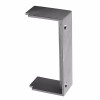
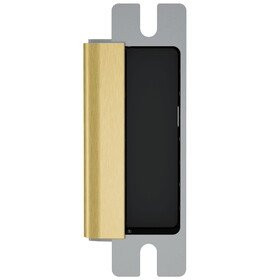
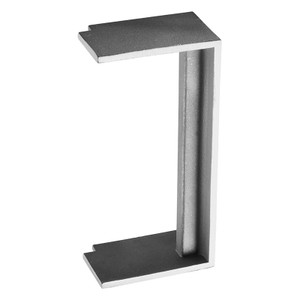
HES 1600-104-630 Satin Stainless Steel Electric Strike
The HES 1600-104-630 is a 24VDC electromagnetic strike designed for access control integration in commercial and institutional facilities. This satin stainless steel strike combines corrosion resistance with dual operational modes (fail-safe and fail-secure), allowing security teams to configure the device for their specific code compliance and operational posture. Installed on standard door frames, it provides reliable door release under access control command while maintaining a professional appearance in high-traffic environments.
Key Features
- 24VDC Electromagnetic Operation: Low-voltage DC input integrates directly with standard access control panels, card readers, and keypad systems. No line-voltage wiring required.
- Fail-Safe and Fail-Secure Modes: Configurable operation—fail-safe releases the door on power loss for emergency egress; fail-secure locks the door if power is lost, maintaining access denial until restored.
- Satin Stainless Steel Construction: Corrosion-resistant finish resists fingerprints and oxidation in humid or salt-air environments, reducing maintenance cycles and replacement frequency.
- Standard Door Frame Compatibility: Fits conventional 1-1/2" strike openings on aluminum or wood frames without modifications to existing hardware.
- Compact Form Factor: Lightweight (0.35 lb) and dimensionally efficient; minimal structural impact on door assemblies and frame preparation.
- US-Made Construction: Manufactured in the United States; supports domestic procurement policies and supply-chain transparency.
The 1600-104-630 integrates with legacy and modern access control systems—card readers (proximity, smart card, magnetic stripe), keypads, and networked panels all control the strike through standard relay outputs. Because the device operates on 24VDC, it shares power infrastructure with the access control panel itself, eliminating the need for separate 120VAC circuits and simplifying rough-in during new construction or retrofit work.
Fail-safe vs. fail-secure selection is critical for code compliance and operational philosophy. Life-safety codes (IBC, IFC) typically require fail-safe (unlocked on power loss) in egress paths, while administrative offices and secure storage may mandate fail-secure. The 1600-104-630 supports both, so confirm your local Authority Having Jurisdiction (AHJ) requirements and building code before specifying. Installation on fire-rated doors requires verification that the strike assembly does not compromise door rating; consult the door manufacturer's hardware list and submit strike details to your fire-rating authority if required.
Satin stainless steel is the go-to finish for healthcare, food-service, and wet-environment applications because it resists corrosion and cleans easily under sanitation protocols. In dry commercial office settings, stainless finish also provides a neutral, professional appearance that coordinates with modern architectural hardware. If the application is exposed to salt spray (coastal facilities, parking structures), stainless steel is essential; mild steel or painted alternatives will pit and rust within 12-24 months in such conditions.
Maintenance is minimal. Periodically verify that the strike plate is aligned with the latch bolt and that no debris accumulates in the locking pocket. Test the fail-safe/fail-secure function quarterly—intentionally cut power to the strike and confirm the door locks or unlocks as configured. Replace any corroded hardware or binding latches immediately, as sluggish engagement reduces lock reliability and can trigger ADA accessibility complaints if the door becomes difficult to operate.
Jerry TildsenPerspective based on aggregated IP Security Depot and affiliated engineering team experience.
We've installed hundreds of HES strikes across mid-market commercial and institutional deployments, and the 1600-104-630 is a workhorse baseline device. What differentiates it from cheaper import alternatives is reliability under repetitive use and long-term corrosion resistance. In our experience, a properly specified and installed HES strike will operate 50,000+ open/close cycles with minimal wear, whereas sub-$100 strikes often develop sluggish engagement or latch binding after 12-18 months in high-traffic doors. The satin stainless finish isn't just cosmetic—it's essential in healthcare, manufacturing, and food-service environments where washdown cleaning is routine. We've also seen clients specify the fail-secure mode for secure storage rooms and data-center access, then forget to document that choice; always include the operational mode (fail-safe or fail-secure) in your as-built documentation and hand off a quick reference card to the facility manager.
Technical Highlights:
- 24VDC Supply Voltage: Eliminates need for dedicated 120VAC outlet; the strike draws power from the access control panel's 24VDC bus. On a typical panel with 8-12 door strikes, a 2A 24VDC power supply is sufficient. This simplification saves conduit runs and reduces electrical rough-in cost by 15-25% on retrofit projects.
- Fail-Safe / Fail-Secure Selectable Operation: Jumper or relay configuration on the control board selects behavior. Fail-safe (power-loss unlocks) satisfies life-safety codes on egress doors; fail-secure (power-loss locks) protects sensitive areas. Know your code jurisdiction—IBC Table 1008.1.2.1 specifies which egress paths require fail-safe.
- Satin Stainless Steel (300-series): Corrosion resistance in humid, salt-air, and washdown environments. Strike operates reliably in coastal facilities, outdoor-adjacent lobbies, and food-prep areas. Mild steel or powder-coat alternatives degrade visibly within 18 months in such conditions.
- Standard 1-1/2" Strike Pocket Compatibility: Fits 99% of commercial aluminum and wood door frames without custom fabrication. Pre-drilled mounting holes align with standard ADA-compliant door hardware layouts; installation time is 15-30 minutes per door if frame and latch are already in place.
Deployment Considerations:
- Verify fail-safe vs. fail-secure requirement with your AHJ or fire-rating authority before ordering. Retrofitting a misconfigured strike is inconvenient and costly. Document the choice in your network access control system settings and on-site commissioning logs.
- On high-traffic doors (lobby, cafeteria), the strike pocket can accumulate lint, dust, and gum residue. Schedule quarterly cleaning and visual inspection of the latch engagement to prevent binding. A stuck strike often triggers false alarms in integrated systems.
- If installing on a fire-rated door, confirm that the strike assembly and wiring do not breach the door's rating. Submit the strike detail and installation drawing to the fire-rating body (UL, Intertek) if required by the door manufacturer. Some rated doors prohibit certain strike models entirely.
- The control signal to the strike is typically a relay closure from the access control panel (12VDC or 24VDC logic). Confirm your panel's relay output rating (current capacity) matches or exceeds the strike's coil draw—most HES strikes draw 0.3-0.5A on engagement, well within standard panel relays.
- In very cold environments (unheated loading docks), satin stainless may become slippery when condensation forms. Add anti-slip surface treatment or increase frequency of visual inspection if the strike is in a frigid location.
The HES 1600-104-630 is the right choice for commercial and institutional deployments where corrosion resistance, code compliance, and long-term reliability matter more than initial cost. Pair it with a reputable access control panel (Salto, Openpath, Honeywell ProWatch, Genetec) and standard door hardware from manufacturers like Von Duprin or Sargent, and you have a solid 10+ year baseline. For more options and related HES products, see the HES catalog.