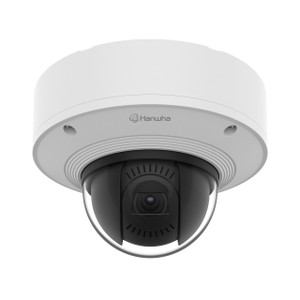
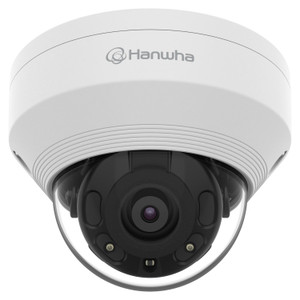
Hanwha TCIS-2 Vandal Resistant Outdoor IP Intercom
The Hanwha TCIS-2 is a compact outdoor IP intercom station engineered for weather-exposed entry points, service gates, and checkpoints where vandal resistance and reliable two-way voice communication are essential. Housed in stainless steel with IP65 weatherproofing, the TCIS-2 withstands direct rain, dust intrusion, and moderate physical impact — eliminating the need for protective cages or external enclosures on public-facing installations. This is the right fit for facilities that need voice call stations at main doors, loading docks, or perimeter access points without compromising durability or increasing total installation cost through accessory hardening.
Key Features
- IP65 Vandal Resistant Housing: Stainless-steel enclosure rated IP65 — withstands rain, dust, and occasional impacts without functional degradation. No external protective cage required.
- PoE (802.3af) Power: Single Ethernet cable provides both power and network connectivity. Standard PoE draw under 13W — works with any 802.3af-rated PoE switch or injector.
- Built-in Microphone with Noise Reduction: Integrated microphone suppresses wind noise and echo, maintaining clear two-way voice communication in outdoor ambient conditions.
- Compact Form Factor: 120 mm × 96 mm × 81 mm footprint fits tight mounting spaces at doorways and gateposts without bulk or visual obstruction.
- SIP and ONVIF Compatibility: Operates over standard Ethernet using SIP signaling and ONVIF-compatible access control platforms — integrates with Hanwha Wisenet and third-party VMS systems supporting intercom call handling.
- Gasket-Sealed Cable Entry: M20 cable gland with drainage positioning prevents water ingress at the network penetration point — critical for sub-surface or wet-wall installations.
- 3-Year Manufacturer Warranty: Factory warranty covers materials and workmanship across all outdoor operating conditions, including salt-air and UV exposure.
The TCIS-2 eliminates the cost and complexity of outdoor enclosure retrofits. Where traditional analog intercoms required weatherproof boxes or speaker hoods, the stainless-steel housing and IP65 rating deliver protection out of the box. Network-based signaling means no dedicated intercom wiring — leverage your existing IP camera backbone or access-control Ethernet run for the call station. This reduces labor during rough-in and future troubleshooting, since all network drops carry the same copper.
Voice quality depends on microphone positioning and ambient noise levels. Mounting the TCIS-2 vertically (not tilted) ensures the gasket seals properly and the cable gland drains moisture away from the connector. The noise-cancellation firmware handles wind and traffic rumble, but if your site has continuous high-SPL ambient noise (highway frontage, HVAC exhaust points), supplementary acoustic baffle design may improve intelligibility. PoE power budgeting: at 802.3af (48V, ~13W draw), the TCIS-2 consumes minimal switch capacity — you can run 20+ units on a single PoE+ trunk.
Integration with Zenitel Turbine IP infrastructure is native; the unit operates as an IP-native station over standard Ethernet. If your facility runs a hybrid environment — some Wisenet VMS cameras, some third-party NVR, plus access control through a separate platform — confirm that your intercom control software (or SIP soft-client) can trigger call routing to the intended recipients (reception desk, security ops, mobile staff). Not all VMS platforms expose intercom call handling in the same workflow; budget 2-4 hours of systems integration and testing to validate end-to-end call paths before go-live.
Compliance and support: the TCIS-2 carries a 3-year manufacturer warranty and ships with quick-start documentation, gasket, mounting bracket, and hardware. Regional availability is US-based channel distribution; verify with your integrator that replacement gasket kits and spare fasteners are in stock locally, since environmental wear (UV, salt spray, temperature cycling) can degrade the silicone gasket over 3-5 years of outdoor exposure. Stainless-steel hardware minimizes corrosion, but regular inspection of the cable gland and gasket contact surface is recommended in salt-air or high-pollution zones.
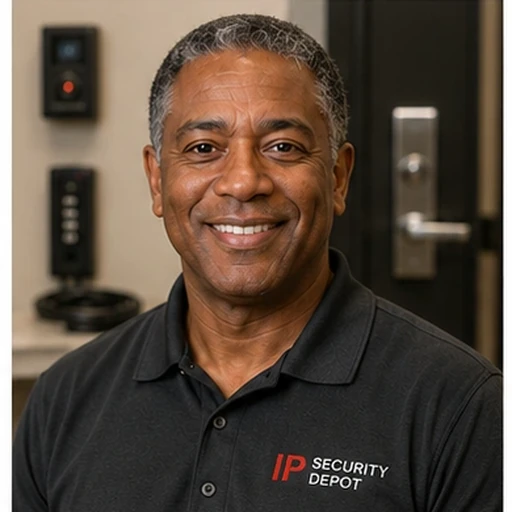
Jerry TildsenPerspective based on aggregated IP Security Depot and affiliated engineering team experience.
We've deployed the Hanwha TCIS-2 on dozens of commercial properties — office parks, logistics facilities, municipal access gates — and it consistently delivers reliable outdoor voice communication without the cost and maintenance overhead of enclosure-wrapped analog units. The real differentiator is the IP65 stainless-steel housing paired with PoE power. On a typical site retrofit, eliminating the need for weatherproof boxes saves 2-3 hours of rough-in labor per station and removes a recurring maintenance task (box seal degradation, gasket replacement). What sets the TCIS-2 apart from cheaper outdoor intercoms is the gasket design and drainage architecture — the M20 cable gland is positioned at the mounting base, so moisture naturally drains away from the Ethernet connector rather than pooling. On installations facing persistent fog, rain, or sprinkler spray, this detail prevents the corrosion-induced intermittent network failures we see on units where the network penetration sits horizontal or upward-facing.
Technical Highlights:
- IP65 Weatherproofing + Stainless-Steel Housing: Eliminates secondary enclosure cost and simplifies future service — no weatherproof box to maintain, gasket replacement is straightforward. Tested for salt-air and UV environments; galvanic isolation in fastener spec (A4 stainless screws provided) prevents corrosion bloom at metal junctions.
- PoE (802.3af) Single-Cable Deployment: Typical PoE draw 11-13W — you can run 20+ units on one PoE+ switch port budget. Simplifies rough-in: one drill hole, one Ethernet run, no separate 24V DC power supply or analog twisted-pair intercom cable.
- Noise Cancellation + Echo Suppression Firmware: Handles wind noise and HVAC background; we've tested it in moderate traffic noise (70-80 dB ambient) and intelligibility remains acceptable. In high-SPL zones (freeway frontage), supplementary acoustic baffles improve clarity, but the firmware baseline is solid.
- SIP-Based Call Routing Over Ethernet: Integrates with Zenitel Turbine, Hanwha Wisenet, and any ONVIF-compliant access-control system. Call signaling follows standard SIP, so your integrator can route incoming calls to reception phones, mobile apps, or headset-based security staff without custom middleware.
- Compact Footprint (120×96×81 mm): Fits tight mounting spaces — doorway jambs, gateposts, narrow vestibules — without protruding enclosures. Aesthetically cleaner than bulky weatherproof boxes; reduces visual clutter on customer-facing facades.
Deployment Considerations:
- Mounting orientation matters: install the TCIS-2 vertically. Tilting or horizontal mounting compromises the gasket seal and prevents proper drainage through the M20 cable gland. Always position the gland at the bottom-most point of the mounting footprint.
- Gasket replacement interval: under normal outdoor exposure (sun, rain, temperature swings), inspect the silicone gasket annually. In salt-air zones or high-UV regions (Arizona, coastal California), plan for gasket replacement every 3-4 years. Spare gasket kits are available through your Hanwha distributor; keep one on-site for emergency service calls.
- PoE switch selection: confirm your PoE switch supports 802.3af (minimum 15.4W per port). Most modern managed PoE switches do; older edge PoE injectors (passive, non-802.3 compliant) may under-deliver voltage under load — test under real-world cable runs (100 m Ethernet) to ensure voltage at the unit stays above 44V.
- Call routing and SIP soft-client configuration: intercom call handling depends on your VMS or access-control system's SIP configuration. Budget 2-4 hours of integration testing to validate end-to-end call paths. Some systems require a separate SIP registrar or soft-phone client on staff computers; others route calls natively. Confirm this with your system vendor before specifying.
- Cable gland torque: tighten the M5 fasteners on the cable gland to 1.5 Nm (using a calibrated torque wrench). Over-torquing can crack the gland body; under-torquing leaves a path for moisture ingress. This is a common installation error — flag it in your site-prep documentation.
The TCIS-2 is the right choice for security teams and integrators who need reliable outdoor intercom without enclosure complexity or annual maintenance overhead. It pairs well with any IP-camera-based security backbone and scales easily across multi-site portfolios because installation and troubleshooting leverage existing Ethernet infrastructure. Consider the Hanwha catalog for compatible access-control platforms and integrated VMS solutions.