
Vehicle-Mounted Security Cameras: Industrial CCTV Systems Guide
Mobile and vehicle-mounted camera systems live in a completely different environment than fixed installations: vibration, shock, dust, water spray, temperature swings from -40C to +70C, and intermittent cellular backhaul. This guide covers what to specify, what to avoid, and how to build a system that survives a 5-year truck or fleet duty cycle.
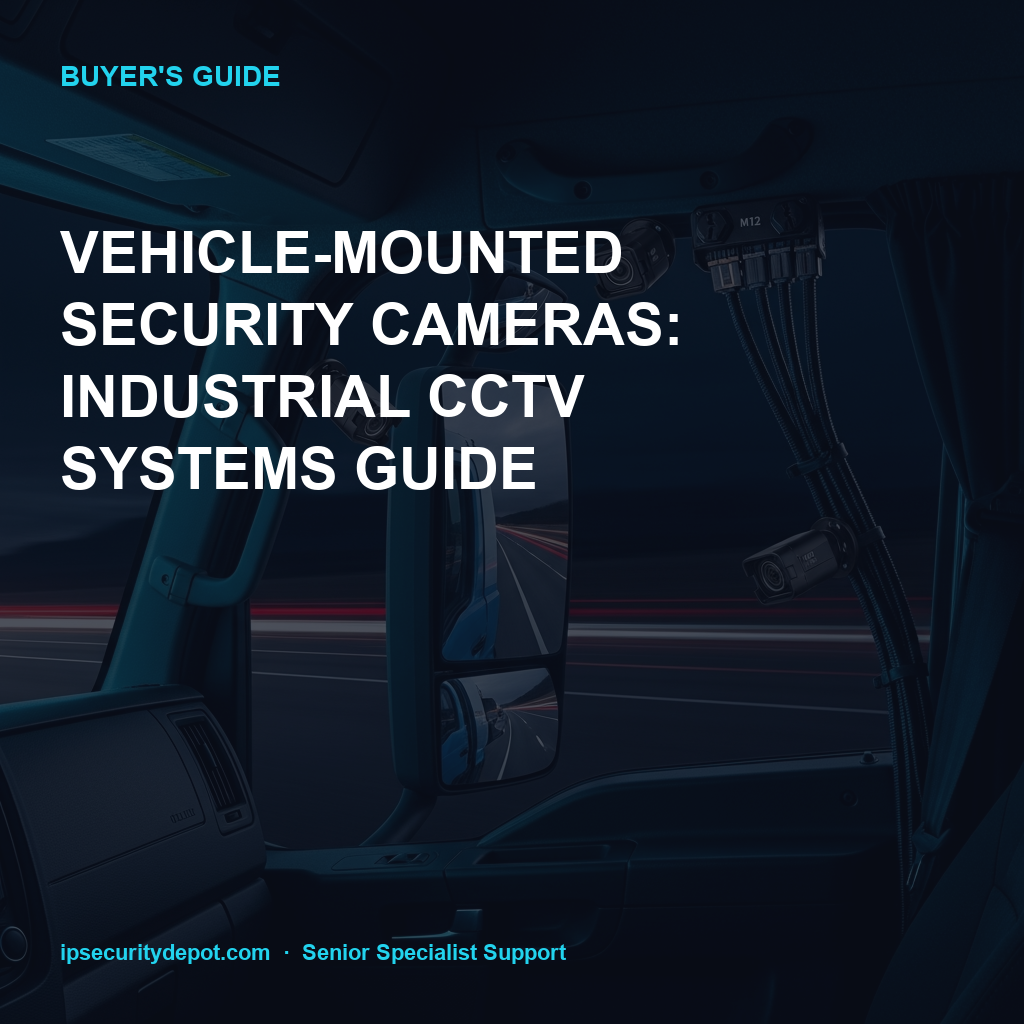
- M12-connector cameras are mandatory for any vehicle that moves — RJ45 fails on vibration in months
- EN 50155 / E-Mark / IEC 61373 ratings tell you the camera was actually built for transit, not just IP rated
- Mobile DVRs must have shock-mounted SSD storage and a battery backup capacitor for ignition-off recording
- Cellular backhaul needs a router rated for vehicle power (9-32V DC, GPS, ignition wake) — not a consumer hotspot
Three categories of vehicle camera systems
Mobile camera deployments fall into three rough categories, each with different specification needs:
- Fleet vehicle dashcams. Driver-facing and road-facing cameras for delivery, transit, and commercial fleets. Driven by safety, insurance, and ELD compliance. Typical: 2-4 cameras per vehicle, cellular upload of incidents.
- Industrial vehicle CCTV. Cameras on construction equipment, mining trucks, railway, agriculture. Survives shock, dust, hydraulic spray. Often hardwired to a vehicle DVR that records to onboard storage.
- Transit and law enforcement. Passenger-facing on buses and trains, body and dash on patrol cars. Must meet stricter compliance (EN 50155 for rail, FMVSS for transit).
What specs actually matter
The vehicle environment forces hardware specs that consumer cameras can't meet:
| Spec | Why it matters | Minimum for vehicle use |
|---|---|---|
| Operating temp | Cabin and engine bay extremes | -30C to +70C minimum, wider for cold-climate fleets |
| Vibration rating | Roads, off-road, rail | IEC 61373 Cat 1B or MIL-STD-810G |
| Connector type | RJ45 plastic clips break | M12 D-coded or X-coded screw lock |
| IP rating | Wash bays, road spray, mud | IP67 minimum, IP69K for pressure-wash exposure |
| Power input | Vehicle DC bus is dirty | 9-36V DC tolerant, reverse-polarity protected |
| Storage media | Vibration kills HDDs | Shock-mounted SSD with capacitor backup |
| Cellular modem | Backhaul over LTE/5G | Vehicle-rated router (Cradlepoint, Cisco) — not a consumer hotspot |
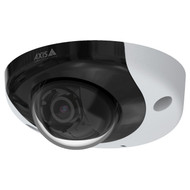
Vehicle camera shortlist
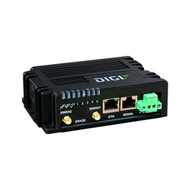
Cellular routers for vehicle backhaul
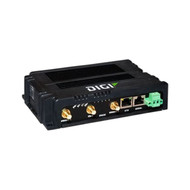
Cellular routers and modems for vehicle backhaul. These are purpose-built for mobile use (DC vehicle power, GPS, ignition wake, multi-carrier failover):
Mobile DVRs and recorders
Mobile DVRs and recorders — shock-mounted, capacitor-backed, ignition-aware:
Use cases by industry
- Last-mile delivery vans
- 2 cameras (forward + cargo area) on each van, with a cellular hotspot router uploading event clips on driving incidents. Average system cost $1,200-$2,000 per vehicle plus $30-$50/month data per van.
- Refuse and waste fleets
- 4-6 camera systems: forward, blind-spot mirrors (left/right), hopper, rear. Live-stream dispatch view for missed-pickup disputes. Survives high-pressure wash and corrosion from leachate.
- Construction site vehicles
- Excavator and haul truck cameras with 360 degree surround view. Heavily shock-rated. Often part of a wider site safety package with proximity sensors and over-the-air video pull on incidents.
- Transit buses
- 8-12 cameras with passenger-facing views, driver view, front and rear road. Onboard DVR with cellular upload of selected clips. Must support EN 50155 vibration and TCMS integration.
- Police and law enforcement
- Front, rear, and prisoner-compartment cameras with body-worn integration. Backhaul via FirstNet or carrier MDM. Strict chain-of-custody storage and audit log.
Frequently asked questions
- Can I use a consumer Wi-Fi hotspot for cellular upload?
- Strongly recommend against it. Consumer hotspots aren't rated for vehicle 12V DC power (they expect 5V USB), don't have ignition-wake, and have weak antenna mounts. They overheat in summer cab interiors and lose connectivity in extended motion. A purpose-built router from Cradlepoint, Cisco, or Sierra Wireless costs more upfront but survives the duty cycle and supports proper external antennas.
- How much storage do I need on a mobile DVR?
- For typical fleet use with continuous record at 1080p on 4 cameras, plan 1-2 TB per vehicle for 7-14 days local retention. Most operators rely on cellular upload of incident clips rather than fetching the full local archive, so storage is sized to bridge between weekly visits to the depot.
- Do I need GPS on every camera or can I use the phone's GPS?
- The cellular router or DVR should have its own GPS receiver with proper roof antenna. Phone GPS isn't reliable for fleet tracking and isn't tamper-resistant. GPS on the recorder lets you geo-tag video clips and synchronize timestamps across multiple cameras.
- What's the realistic lifespan of a vehicle camera system?
- 5-7 years for the cameras and 3-5 years for the cellular modem (carrier sunset of 3G/4G modules is the biggest driver of modem replacement). Plan a refresh cycle when you order. Always specify M12 connectors and surge-suppressed power inputs to hit the high end of that range.
- Can we add cameras to vehicles that are already in service?
- Yes. Retrofit kits are common — most vendors supply complete kits with cameras, DVR, harness, and cellular router pre-configured. Plan 4-8 install hours per vehicle for a 4-camera kit including roof-antenna mount and harness routing. Larger commercial vehicles take longer due to body panel removal.
Specify a fleet camera build
Working with a fleet of 5 or 500 vehicles? Senior Specialists can size cameras, routers, antennas, and harnesses by vehicle type and quote at channel-direct.
Quote a fleet system Browse mobile cameras