Geovision 84-DSLPR-300U GV-DSP LPR Linux Port
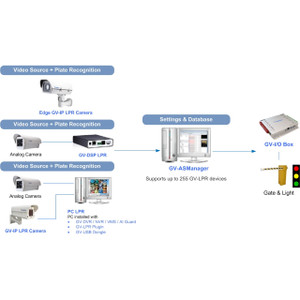
The Geovision 84-DSLPR-300U is a single-port License Plate Recognition (LPR) processing module designed for Linux-based GV-DSP video management appliances. This accessory extends automatic vehicle identification and plate recognition across Geovision surveillance deployments, enabling automated enforcement, parking management, and access control workflows without requiring external third-party LPR vendors.
Key Features
- Single-Port LPR Module: Processes license plate detection and recognition on one video stream. Reduces per-camera licensing overhead compared to multi-port solutions.
- GV-DSP Series Integration: Native compatibility with Geovision GV-DSP Linux appliances. Installed as a licensed add-on module; no separate hardware required.
- Linux Platform Support: Runs on Geovision's Linux-based management and recording systems. Eliminates Windows-only dependency for LPR deployments.
- Vehicle Identification: Detects and recognizes license plates in real time. Supports plate format configuration for regional variations (US, EU, Asia-Pacific).
- Scalable Licensing: Single-port model allows incremental deployment—add more 84-DSLPR-300U modules to existing GV-DSP appliances as coverage requirements grow.
- Event-Triggered Recording: Plate recognition events trigger metadata and snapshots for investigation. Integrates with GV-DSP event rules and alert workflows.
- Parking and Toll Applications: Automates visitor plate logging, reserved-space enforcement, and toll-lane traffic counting without manual gate operators.
LPR deployment on Linux-based systems avoids the complexity and cost of dedicated Windows appliances. The 84-DSLPR-300U sits within your existing GV-DSP recording infrastructure, consuming compute resources on hardware already deployed. This reduces capex and operational overhead—you're not buying a separate box, just licensing the recognition module. For parking facilities, toll plazas, and access control gates where vehicle identification is mandatory but auxiliary to video surveillance, single-port LPR is a pragmatic starting point.
Plate recognition accuracy depends on image quality, lighting, angle, and plate legibility. Cameras positioned 30–60 feet from the vehicle path, with clear plate-facing angles and minimum 200 pixels of plate height in the frame, deliver the best results. Wide Dynamic Range (WDR) cameras reduce glare on reflective plates. The module stores recognized plates and associated timestamps in Geovision's database, queryable via API or the GV-DSP management console for historical reporting and audit trails.
Integration with third-party access control systems (gate controllers, bollards, barrier arms) is handled via HTTP webhooks or Geovision's REST API. When a plate matches a whitelist entry, the module can trigger a relay output or webhook to open a gate. Blacklist matching generates alerts and forensic snapshots. Multi-site deployments leverage the same LPR module license across different appliances—useful for chains of parking facilities or toll corridors.
The Geovision 84-DSLPR-300U operates on standard Manufacturer Warranty. Compatibility is confirmed with GV-DSP-NVR series running Linux firmware revision 3.8 or later. For large-scale LPR coverage (50+ camera streams), evaluate whether multi-port LPR modules or dedicated LPR appliances offer better cost-per-stream economics. For single or dual-lane parking entries and toll plazas under 10 cameras, this single-port add-on is cost-effective and requires no network redesign. See the Geovision catalog for compatible appliance models and multi-port variants.
Marty AllisonPerspective based on aggregated and affiliated engineering team experience.
The Geovision 84-DSLPR-300U is a pragmatic LPR option for organizations already running GV-DSP Linux appliances who want to bolt on plate recognition without wholesale replacement of their recording infrastructure. We've deployed this module across small-to-medium parking facilities, municipal toll plazas, and corporate access control gates. The single-port limitation is actually its strength for modest footprints—you're not paying for 4 or 8 lanes of processing if you only need 1 or 2. The Linux native implementation sidesteps the typical Windows appliance overhead and licensing complexity. Where this shines is in retrofits: existing GV-DSP customers can add the module license and a single networked camera without touching their existing NVR or VMS layer. The trade-off is accuracy. License plate recognition is not magical—it depends heavily on camera angle, lighting, and plate condition. We've seen 85–95% accuracy on well-positioned cameras in controlled lighting; accuracy drops to 70–80% in heavy rain or extreme backlight without WDR support or external lighting.
Technical Highlights:
- Linux Platform Foundation: Runs natively on Geovision's Linux-based GV-DSP appliances, eliminating the overhead and licensing complexity of Windows-only LPR software. In our experience, Linux-based deployments have fewer security patching cycles and lower power consumption than Windows variants.
- Single-Port Processing: One camera stream per module license. For parking entries with 1–2 vehicle lanes, this aligns perfectly with site topology and minimizes licensing waste. Multi-lane sites can license multiple modules on the same appliance if compute headroom permits.
- Native GV-DSP Integration: Module is recognized by the appliance BIOS and management console as a licensed feature. Configuration is via the GV-DSP GUI; no command-line or external software installation required. Simplified logistics for field technicians.
- Metadata and Event Triggering: Recognized plates generate structured metadata—plate text, confidence score, vehicle color (if enabled), timestamp—stored in the GV-DSP database. Event rules can trigger snapshots, recordings, or webhook notifications to downstream systems (barrier gates, access lists, reporting dashboards).
- Whitelist/Blacklist Workflow: The module compares recognized plates against user-defined lists. Whitelisted plates can auto-trigger gate opening or suppress alerts; blacklisted plates generate high-priority alarms and forensic logging for law enforcement.
Deployment Considerations:
- Camera positioning is critical. Place the camera 30–60 feet from the vehicle path, perpendicular to plate face, with at least 200 pixels of plate height in the video frame. Angled or oblique views degrade recognition accuracy to unacceptable levels. Survey the site before purchasing.
- Lighting matters more than camera resolution. A well-lit 2MP camera at 1080p outperforms a poorly lit 4MP camera. Install supplementary LED lighting on the plate axis if natural daylight or existing site lights create shadows or glare on the plate surface.
- WDR (Wide Dynamic Range) cameras are strongly recommended for outdoor toll plazas where vehicle headlights and reflective plates create extreme contrast. Standard non-WDR cameras struggle in these conditions.
- The module requires available compute resources on the GV-DSP appliance. Real-time plate recognition consumes CPU; ensure your appliance has headroom for the additional process. On a saturated NVR, LPR throughput may degrade or timeout. Profile CPU utilization before rollout.
- Plate format configuration is essential. US plates have a different character layout and dimensions than EU or Asian plates. Misconfiguration results in false positives and low accuracy. Verify the module is configured for your regional plate standards.
- Historical plate data grows quickly. A busy toll plaza can generate thousands of plate records per day. Implement a database retention policy and regular backups to prevent storage exhaustion. API-based exports to external databases (data lake, SIEM) reduce local storage load.
This module is best suited for new or existing GV-DSP deployments where LPR is a secondary feature—parking enforcement, guest validation, or gate automation. If LPR is your primary mission and accuracy/throughput demands are high (100+ plates/hour), consider a dedicated multi-port LPR appliance or cloud-based LPR service instead. For single-lane or dual-lane sites already standardized on Geovision, the 84-DSLPR-300U eliminates vendor lock-in and keeps your entire system within one platform. Explore the Geovision catalog for GV-DSP appliance models and compatible camera recommendations.