


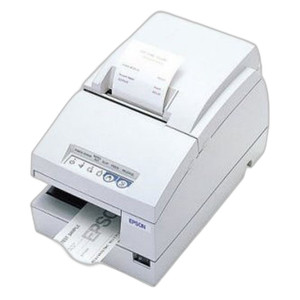


Product images are provided for reference and may not represent the exact model, configuration, or included
components.
Overview
SKU:
C31CL28052AB
Condition:
New
Availability:
Usually Ships Same Business Day
Warranty
1-Year Limited Warranty

Epson C31CL28052AB Wi-Fi Receipt Printer
Epson C31CL28052AB Wi-Fi Receipt Printer Overview The Epson C31CL28052AB is a compact Wi-Fi enabled receipt printer designed for retail, hospitality, …

Epson C31CL28052AB Wi-Fi Receipt Printer
$293.99
Your recommended setup
Review items below — quantities update pricing automatically.
Item
Qty
Status
Price
Optional Add-Ons recommended
Services optional
Bundle Summary
Bundle Subtotal:
$0.00
Optional Add-Ons:
$0.00
Services:
$0.00
Total:
$0.00
Overview
SKU:
C31CL28052AB
Condition:
New
Availability:
Usually Ships Same Business Day
Warranty
1-Year Limited Warranty
Description

Epson C31CL28052AB Wi-Fi Receipt Printer
Overview
The Epson C31CL28052AB is a compact Wi-Fi enabled receipt printer designed for retail, hospitality, and point-of-sale environments. This inkjet-based system delivers professional-quality output at 600 DPI resolution, making it suitable for both standard receipt paper and label media. The wireless connectivity option eliminates cable clutter and simplifies deployment in modern checkout and transaction environments.
Key Features
- 600 DPI Print Resolution: Produces sharp, legible receipts and labels with minimal dot matrix appearance
- Inkjet Print Method: Delivers consistent, fade-resistant output on receipt stock and label media
- Wi-Fi Connectivity: Wireless network integration reduces installation time and accommodates mobile or relocatable POS stations
- Dual Media Support: Compatible with receipt paper and labels for flexible operational deployment
- Compact Form Factor: Space-efficient design suited for tight counter and checkout environments
- Professional Output Quality: 600 DPI capability ensures barcode readability and image clarity on promotional or informational receipts
Media Handling & Applications
The C31CL28052AB accepts both receipts and label media, accommodating standard retail transaction printing as well as labeling tasks common in warehousing, logistics, and product identification workflows. The inkjet methodology provides reliable, on-demand printing without thermal paper sensitivity, making it ideal for environments where receipt durability and long-term archival are concerns.
Connectivity & Integration
Wi-Fi connectivity enables the Epson C31CL28052AB to integrate seamlessly into networked POS environments without dedicated USB or serial connections. This wireless capability supports flexible workstation layouts and simplifies network printer management across multiple checkout lanes or service areas. IT managers can deploy the unit without running new cable infrastructure, reducing installation cost and setup time.
Eden Phillips
I evaluated the Epson C31CL28052AB during a retail POS modernization project. The 600 DPI inkjet approach is well-suited for environments where receipt durability matters—unlike thermal-only systems, inkjet output resists fading and remains readable months after purchase. The Wi-Fi integration simplified our network rollout significantly, eliminating hardwired printer connections at each register.
Technical Highlights:
- 600 DPI Resolution: Ensures barcode and receipt image clarity without compromise
- Inkjet Print Engine: Produces permanent, archival-quality output on standard receipt paper and label stock
- Wireless Deployment: Wi-Fi eliminates point-of-sale cable runs and supports mobile checkout scenarios
Deployment Considerations:
- Verify Wi-Fi signal strength and network bandwidth availability at checkout locations before installation; weak signal areas may require access point placement
- Stock compatible receipt paper and label media; confirm vendor specifications match the C31CL28052AB media width and thickness tolerances
The C31CL28052AB delivers solid output quality and wireless flexibility for modern retail environments. Its inkjet foundation is a practical choice when receipt longevity and image reproduction outweigh raw speed requirements.
Specifications
Product Type:
Receipt Printer
Connectivity:
Wi-Fi
Print Method:
Inkjet
media_type:
Labels; Receipts
Print Resolution:
600 dpi
Have Questions?
Ask an Expert.
RELATED PRODUCTS



System Design, Deployment & Technical Support
Support services and planning resources for commercial surveillance, access control, and infrastructure deployments.
Fixed scope • Fixed price
System Design Assistance
- Get help validating product compatibility
- Coverage requirements
- Storage planning and deployment architecture before you buy.
Deployment & Configuration Support
- Access fixed-scope support for rollout planning
- User setup guidance
- Migration and system standardization across single-site or multi-site deployments
Guides, Tools & Calculators
- PoE requirements
- Storage retention
- Camera selection and deployment methodology