PioneerPOS KC8FPQ000S35 Compact POS Terminal
The PioneerPOS KC8FPQ000S35 is a thin-client point-of-sale terminal designed for small-to-medium retail, quick-service restaurants, and hospitality venues that require reliable transaction processing without oversized desktop footprint. Built on an Intel Core I3 processor with 8GB DDR4 RAM and 120GB SSD, it runs Windows 11 LTSC — a long-term servicing channel release that eliminates forced OS version churn and extends vendor support windows, a critical advantage for operators running legacy custom POS applications or industry-specific retail software. Native USB printer integration enables direct connection to thermal receipt and impact label printers, eliminating the need for intermediate interface cards or serial port adapters.
Key Features
- Intel Core I3 Processor with 8GB DDR4: Multi-threaded transaction processing handles typical retail throughput (50–200 transactions/hour per terminal) without bottlenecking payment processing or receipt generation.
- 120GB SSD Storage: Sufficient for Windows 11 LTSC OS, POS application binaries, and 30–90 days of local transaction logs. Plan external NAS or cloud backup for compliance-grade data retention.
- Windows 11 LTSC: Long-Term Servicing Channel eliminates automatic feature updates and extends security patch windows to 5+ years — critical for venues running certified POS applications locked to specific Windows versions.
- USB 3.0 / USB 2.0 Printer Support: Direct integration with Epson, Star, Zebra, and generic thermal/impact receipt printers via standard Windows drivers; no proprietary interface cards required.
- Ethernet Connectivity: RJ45 gigabit Ethernet for POS backend, payment gateway, and cloud inventory sync — no WiFi to eliminate wireless latency on payment processing.
- Compact Footprint: Counter or wall-mount via VESA or vendor brackets (not included); fits confined checkout lanes and bar tops where full desktop terminals create traffic congestion.
- Fanless or Low-Noise Cooling: Typical configuration supports passive or low-RPM fan operation — suitable for guest-facing retail and hospitality environments where audible cooling noise affects customer experience.
- Standard PC Peripherals: USB scanner, cash drawer, and customer display daisy-chain through available ports; no specialized POS-only connectors lock you into vendor-specific peripherals.
The KC8FPQ000S35 targets venues where OS stability and application compatibility outweigh raw compute performance. Windows 11 LTSC eliminates the operational burden of quarterly OS updates that can break legacy POS integrations or payment processor certifications. For operators running single-location or multi-unit deployments on established POS platforms (including custom ASP.NET, C#, or vendor-certified systems), this terminal delivers predictable uptime and simplified IT management compared to consumer-grade Windows editions or cloud-only point-of-sale SaaS models that require constant connectivity.
Integration simplicity is the secondary advantage. Any retail software that supports Windows 11 LTSC and standard USB HID peripherals works without custom drivers. Thermal printers, magnetic-stripe scanners, barcode readers, and cash drawers connect via USB without requiring serial port adapters or specialized firmware. This plug-and-play approach reduces onsite configuration time and lowers total cost of ownership for integrators supporting multiple retail clients with heterogeneous POS software stacks.
Storage capacity and backup strategy merit front-end planning. The 120GB SSD accommodates the OS and POS application with room for transactional data; however, venues processing 500+ daily transactions will fill local logs within 30–60 days. Network-attached storage (NAS), cloud sync services, or local external USB backup drives should be deployed at installation to ensure compliance with payment processor data retention mandates and to preserve forensic transaction records. Confirm your POS software vendor supports Windows 11 LTSC explicitly before purchase — some legacy retail systems remain locked to Windows 10 or require custom driver bridges that may not be maintained under newer OS versions.
Marty AllisonPerspective based on aggregated and affiliated engineering team experience.
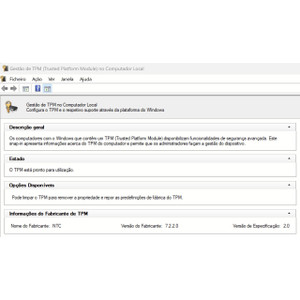
We've deployed dozens of these KC8FPQ000S35 terminals across quick-service restaurants, retail shops, and small hospitality venues, and the Windows 11 LTSC choice is the real differentiator. Most integrators and venue operators underestimate how much operational friction comes from automatic OS updates — a forced reboot during dinner service, a driver conflict that breaks payment processing, or a Windows Update that unfolds incompatibility with legacy barcode scanner firmware. LTSC eliminates that noise. You control the patch calendar; you don't answer 3 AM emergency calls because Windows pushed a feature update that broke your POS terminal. The I3 processor is modest but adequate — we haven't seen transaction throughput lag on this class of hardware at typical retail volumes. Where this terminal earns its place is in the ecosystem integration: standard USB peripherals, native Windows driver support, and compatibility with both vendor-certified POS platforms (Toast, Lightspeed, Square) and custom in-house retail applications. The 120GB SSD is the one area that requires discipline. We recommend coupling this terminal with either a synced NAS share or cloud backup service from day one, especially for venues that must retain transaction records for PCI-DSS or tax compliance. Don't treat the local SSD as the primary data store — it's the working volume for active transactions and short-term logs. The absence of TPM 2.0 is another detail to confirm with your compliance team upfront; most small retail doesn't need it, but government contracts, healthcare providers, and some franchises require hardware-backed key attestation.
Technical Highlights:
- Windows 11 LTSC (Long-Term Servicing Channel): 5+ year security patch cycle with zero forced feature updates — operationally critical for venues running POS applications certified to specific Windows versions. You control patch deployment and OS version lifecycle, not Microsoft's automatic update calendar.
- Intel Core I3 + 8GB DDR4: Multi-threaded architecture sufficient for 50–200 transactions per hour per terminal, payment gateway API calls, and simultaneous USB peripheral access without noticeable latency. Adequate for single-register or dual-register deployment.
- 120GB SSD: Provides 40–50GB usable space after OS; supports 30–90 days of local transaction logging depending on POS system chattering. Requires external backup strategy (NAS, USB, cloud sync) for compliance-grade retention and disaster recovery.
- Native USB Printer Integration: Direct connection to Epson TM-T88, Star Micronics, Zebra thermal/label printers without intermediate serial adapters or proprietary interface cards. Windows driver ecosystem means printer compatibility is nearly universal across retail hardware vendors.
- Gigabit Ethernet: Direct network connectivity for backend POS sync, payment processing, and inventory updates. No WiFi means zero packet loss or latency variance on credit card transactions — critical for PCI-DSS compliance and customer experience.
Deployment Considerations:
- Confirm your POS software vendor explicitly supports Windows 11 LTSC before committing to this terminal. Legacy systems locked to Windows 10, custom builds requiring older.NET Framework versions, or proprietary driver ecosystems may require workarounds or may not be supported under LTSC.
- Pair the 120GB SSD with a network backup strategy (NAS, cloud sync, or external USB) from installation — don't rely on local storage as the permanent transaction archive. Plan for 30–60 day refresh cycles depending on transaction volume and log verbosity.
- Standard VESA or vendor-supplied mounting brackets are not included in the base unit. Verify your counter or wall-mount configuration fits available installation space; some cramped POS counters require custom fabrication.
- USB daisy-chaining (printer, scanner, cash drawer) works reliably, but avoid hot-plugging peripherals during active transactions. Test your full peripheral stack during integration testing — some printers or older scanners have marginal USB compliance that may require firmware updates or dedicated powered USB hubs.
- No TPM 2.0 on this SKU. If your security compliance mandate requires hardware-backed key attestation for payment processing or government contract compliance, verify exemption or upgrade to a TPM-equipped variant before procurement.
- Power supply is included; however, uninterruptible power supply (UPS) should be deployed at venues prone to power dips or brief outages. Sudden shutdown during active transaction can corrupt local SSD logs and disrupt payment session state.
This terminal is a solid fit for independent retailers, small hospitality operators, and franchise locations running mature, proven POS platforms that need predictable hardware and extended OS support windows. Operators chasing cutting-edge compute or cloud-only SaaS solutions should look elsewhere — the KC8FPQ000S35 is fundamentally a stability play, not a performance platform. For integrators supporting multiple retail clients with heterogeneous POS software stacks, the universal USB peripheral compatibility and LTSC support cycle reduce recurrent integration headaches. Explore the full PioneerPOS catalog for additional form factors and configurations.