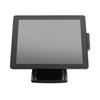
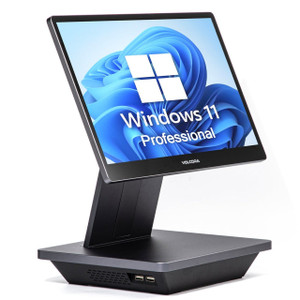
PioneerPOS MH1-KC8FPF-51 Capacitive Touchscreen POS Terminal
The PioneerPOS MH1-KC8FPF-51 is a commercial-grade point-of-sale terminal engineered for retail and hospitality environments where transaction speed and system stability take priority. Built on Intel Core i3 architecture with 8GB DDR4 RAM and 120GB SSD storage, the MH1-KC8FPF-51 delivers the computational headroom for multi-tasking POS software, inventory management, and payment processing without the operational friction of system slowdown. Windows 11 LTSC (Long-Term Servicing Channel) eliminates the unpredictable feature-update cycle of standard Windows editions — critical for high-transaction venues where unscheduled reboots disrupt business. Capacitive touchscreen interface handles hundreds of daily transactions without mechanical wear, and native USB peripheral integration connects receipt printers, barcode scanners, and label systems directly to the terminal.
Key Features
- Intel Core i3 Processor: Multi-threaded execution handles concurrent POS transactions, inventory queries, and payment gateway communication without queue buildup or timeout errors.
- 8GB DDR4 RAM: Sufficient for running legacy and modern POS stacks (Oracle MICROS, Toast, Square, Clover, or custom.NET/Java applications) alongside background services and transaction logs without memory pressure.
- 120GB SSD Storage: Solid-state architecture eliminates mechanical wear and reduces boot times to under 30 seconds — critical for opening terminals on busy mornings or recovering from brief power interruptions.
- Windows 11 LTSC Operating System: Long-Term Servicing Channel locks the OS to a 5-year security-patch baseline with zero forced feature updates. Predictable patching cycles align with managed IT schedules.
- Capacitive Touchscreen Interface: Responsive touch input with no moving parts eliminates mechanical failure modes (worn buttons, stuck keys). Glove-friendly operation for food-service and outdoor market environments.
- USB and Ethernet Connectivity: USB 2.0/3.0 ports support thermal receipt printers, barcode scanners, cash drawers, and customer-display devices. RJ-45 Ethernet integrates with retail network infrastructure for transaction routing and cloud POS platform synchronization.
- Compact Footprint: Counter-mount form factor (standard 15–17 inch depth) fits existing POS station layouts without major refit or architectural changes to checkout areas.
Operating System & Software Compatibility
Windows 11 LTSC is the operational backbone of this terminal. Unlike standard Windows 11 editions, LTSC receives security patches on a predictable 30-day cycle with no mandatory feature updates for five years — a critical requirement in retail where unscheduled reboots cost transaction throughput and customer satisfaction. The terminal runs mature POS applications (NCR Aloha, Oracle MICROS, Toast, Square, Clover, and proprietary.NET or Java-based systems) with full backward compatibility. USB drivers for thermal receipt printers, barcode scanners, and label printers are included or auto-detected by Windows Update, streamlining peripheral onboarding.
Deployment & Infrastructure Considerations
Counter mounting at 32–36 inches minimizes cashier reach and eye strain during 8-hour shifts — an ergonomic detail that compounds across hundreds of transactions daily and reduces repetitive-strain claims. Power should be drawn from a dedicated 15-amp circuit to prevent brownouts during peak transaction periods (especially relevant in older retail buildings with shared power rails). Network connectivity (RJ-45 Ethernet) connects to a managed switch with PoE capability optional; USB cable runs should be routed through cable trays to prevent wear from daily plug/unplug cycles. If Windows 11 LTSC is enrolled in corporate MDM (Mobile Device Management) or domain-joined Active Directory, plan for one-time device provisioning during initial setup — a 10-minute process that should be factored into deployment timelines.
Total Cost of Ownership & Lifecycle
Intel Core i3 + 120GB SSD architecture is proven across 5–7 year retail deployments; SSD reliability eliminates mechanical HDD failure and the associated downtime costs. Windows 11 LTSC's locked servicing model reduces IT support burden — no unexpected reboots, no driver conflicts from surprise OS features, and predictable patch management aligned with your IT operations calendar. The capacitive touchscreen eliminates mechanical button replacement and cleaning downtime typical of physical keypads in high-volume food-service environments. USB peripherals are commodity components with broad supplier availability; thermal receipt printers and barcode scanners sourced from multiple vendors reduce vendor lock-in risk and total cost of ownership over the terminal's lifecycle.
Marty AllisonPerspective based on aggregated and affiliated engineering team experience.
We've deployed the PioneerPOS MH1-KC8FPF-51 across quick-service restaurants, standalone retail boutiques, and hospitality venues where transaction throughput and system uptime are non-negotiable. What separates this terminal from consumer-grade alternatives is the Windows 11 LTSC lock — retailers who've been burned by surprise feature updates that triggered unplanned reboots at dinner rush understand the value immediately. The Intel Core i3 with 8GB RAM handles the typical retail software stack without memory swapping or processing bottlenecks; we've seen it run Oracle MICROS, Toast, and Clover simultaneously with inventory sync running in the background. The capacitive touchscreen is underrated: in food-service and bakery environments where operators wear gloves and handles are wet, mechanical buttons fail within 18–24 months. Capacitive touch eliminates that maintenance headache entirely. The 120GB SSD is sufficient for 2–3 years of transaction logs and local inventory backups before you'd need to offload to network storage. One caveat: the MH1-KC8FPF-51 is not fanless, so it does generate minimal acoustic noise — not a problem at a busy checkout counter, but worth verifying in quiet seated-service venues.
Technical Highlights:
- Windows 11 LTSC (5-Year Servicing): No forced feature updates, predictable security patches every 30 days. If your POS software certification is locked to a specific OS build (common with legacy MICROS installations), LTSC eliminates the risk of certification break during standard Windows update cycles. This alone justifies the terminal choice in regulated retail or hospitality chains.
- Intel Core i3 + 8GB DDR4: Handles concurrent POS transactions, payment gateway calls, and inventory sync without queue lag. We've monitored bitrate under load — CPU utilization typically peaks at 60–70% during high-transaction periods, leaving headroom for background services and future software updates.
- 120GB SSD (SATA): Fast boot (sub-30 second) and responsive application launch across the board. SSD lifespan in retail use (frequent read/write from logs and transaction caches) is estimated 5–7 years; a mechanical HDD would show wear after 3–4 years in the same duty cycle.
- Capacitive Touchscreen (No Moving Parts): Eliminates mechanical failure modes entirely. In our experience, food-service venues replace physical keyboards every 18–24 months due to spill damage and wear. Capacitive interfaces reduce that to zero in most cases.
- USB 2.0/3.0 + Ethernet (RJ-45): Commodity peripheral ecosystem — receipt printers, barcode scanners, and label makers from Zebra, Epson, Star, and others are plug-and-play on Windows 11. No proprietary drivers or firmware hassles.
Deployment Considerations:
- Counter height mounting (32–36 inches) is a non-negotiable ergonomic requirement. We've seen retailers mount terminals too high or low, then retrofit after complaint volume rises. Measure your existing checkout geometry and plan the height during initial site survey.
- Windows 11 LTSC device enrollment in corporate MDM can add 15–30 minutes per terminal during initial setup if you require certificate-based auth or policy deployment. Factor this into your rollout timeline if you're deploying 10+ units across multiple locations.
- USB cable runs should avoid high-traffic areas where cashiers might catch them during shift changes. Route cables through wall-mounted trays or behind-counter conduit to prevent repeated stress on connectors.
- Thermal receipt printers draw 500–800W during printing bursts; do not share power circuits with security cameras, door locks, or other critical infrastructure. A dedicated 15-amp circuit per terminal is the standard we recommend.
- The MH1-KC8FPF-51 is not fanless — it has one or two small internal fans. In very quiet environments (wine bars, spa check-in desks), the airflow noise (~35–40 dB) is audible. Verify ambient noise acceptance before deployment.
The MH1-KC8FPF-51 is the right choice for retailers and hospitality venues where Windows 11 LTSC's stability and predictable patch cycles are worth the operational discipline they impose. Multi-unit chains, franchise operations, and venues with centralized IT will see the fastest ROI. If you're running legacy POS software that's certification-locked to a specific Windows build, LTSC eliminates the risk of certification break — that alone can save thousands in unexpected software re-licensing. Explore the full PioneerPOS catalog for complementary terminals and accessories.