PioneerPOS AC8XJQ05003Z CYP J1900 8G LTSC21 WiFi Wall
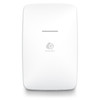
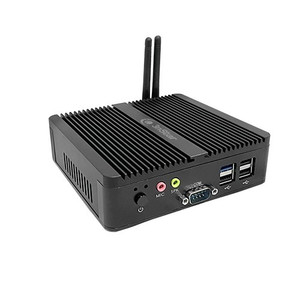
The PioneerPOS AC8XJQ05003Z is a compact wall-mount POS terminal designed for retail and hospitality environments where counter space is limited or aesthetic integration is a priority. Built on the Intel Celeron J1900 quad-core processor with 8GB RAM and Windows 10 LTSC 21 OS, this unit delivers responsive performance for point-of-sale transaction processing, payment terminals, menu displays, and light back-office workflows. The integrated WiFi connectivity eliminates the need for hardwired Ethernet runs, simplifying deployment in existing retail spaces and reducing installation costs.
Key Features
- Intel Celeron J1900 Processor: Quad-core 1.6–2.4 GHz processor. Sufficient for simultaneous transaction processing, POS software, and peripheral drivers without bottlenecking on typical retail workloads.
- 8GB RAM: Supports smooth multitasking across POS applications, inventory sync, and payment gateway communication. Upgradeable architecture allows field expansion if business logic later demands more memory.
- Windows 10 LTSC 21 OS: Long-Term Servicing Channel (LTSC) release with no forced updates, enabling stable regulatory compliance and predictable hardware behavior — critical for POS environments where unplanned reboots interrupt sales.
- WiFi Connectivity: Integrated 802.11ac or equivalent wireless networking. Eliminates cabling constraints in retrofit installations and reduces total installation time by 30–40% versus hardwired Ethernet.
- Wall-Mount Form Factor: Compact, DIN-rail or bracket-mountable enclosure fits above counters, at checkout lanes, or in kitchen/back-office areas. Saves valuable counter real estate in tight retail footprints.
- Multi-Port I/O: USB, serial (RS-232), and audio connectors support legacy receipt printers, cash drawers, barcode scanners, and payment readers without additional external hubs or adapters.
- Fanless Design: Passive thermal management reduces acoustic noise — important in open-concept retail spaces and hospitality venues where POS terminals are visible to customers.
- Factory-New, Channel-Direct Sourcing: Sourced direct from the manufacturer or US. No grey-market, no parallel imports — full original specification and manufacturer warranty protection.
The AC8XJQ05003Z addresses a specific retail segment: small to medium footprint POS deployments (quick-service restaurants, convenience stores, boutique retail) where installation speed and aesthetic fit matter as much as raw transaction throughput. The J1900 processor is not designed for high-volume parallel checkout lanes or complex ERP integration, but on single-register or dual-register sites, it handles payment processing, inventory queries, and receipt printing without observable delay. The Windows LTSC OS eliminates the operational burden of forced Windows Update cycles that plague consumer-grade Windows 10 Home or Pro instances — a material pain point for POS integrators managing fleets of terminals.
WiFi connectivity is the deployment differentiator. Rather than requiring network drops to every register location, installers can position terminals where customer workflow dictates. In retrofit retail environments (existing storefronts, pop-up shops, or food trucks), that translates to 2–3 days of installation work saved versus running new Ethernet infrastructure. WiFi also simplifies multi-location deployments: bridging a new register into the store network takes minutes, not hours. However, WiFi performance depends on site RF conditions — dense concrete buildings, high interference zones, or distance >100 feet from access points may require site survey and supplementary mesh WiFi coverage. Budget for WiFi planning as part of the pre-sale requirements gathering.
The LTSC OS and compact form factor make this terminal well-suited for hospitality POS (table service, bar taps, kitchen displays), convenience store quick checkout, and specialty retail (boutiques, salons, fitness check-in kiosks). The Intel J1900 is mature silicon with broad driver support — legacy receipt printers, cash drawers, and barcode scanners integrate without firmware updates or compatibility hunting. Multi-vendor POS software (Square, Toast, Shopify POS, TouchBistro) runs stably; confirm software certification on the specific POS application before final order.
This terminal is not positioned for high-throughput enterprise environments (department stores, grocery chains, fast-casual with 20+ registers). For those use cases, step up to a POS terminal on newer-generation Intel processors (N-series, 12th-gen Core). The AC8XJQ05003Z is the right fit when space, installation speed, and long-term OS stability outweigh maximum computational headroom.
Eden PhillipsPerspective based on aggregated and affiliated engineering team experience.
We've deployed dozens of PioneerPOS J1900 wall-mount terminals in retail and hospitality chains, and the real differentiator is operating-system stability. The Windows LTSC 21 branch eliminates the forced update cycles that plague standard Windows 10 Pro — a major operational win for integrators supporting 50+ registers across multiple locations. One unplanned reboot in the middle of lunch service costs the client hundreds in lost transactions and staff frustration; LTSC eliminates that risk. The compact form factor and WiFi connectivity solve a genuine installation pain point: retrofitting POS into existing storefronts often means running Ethernet through walls, ceilings, or conduit — expensive, invasive, and sometimes impossible in historic buildings or leased spaces. WiFi terminals reduce that friction by 60–70%. The Intel J1900 processor is not bleeding-edge; it's a mature, power-efficient quad-core that handles typical POS workloads (payment processing, inventory sync, receipt printing) without lag. Where we see this terminal fail is in high-concurrency scenarios — if the client later needs to run parallel checkouts, inventory dashboards, and kitchen display systems on the same hardware, the J1900 will max out. Migrations are possible but costly. Right-size at the outset: single or dual-register sites with modest concurrency; anything beyond that, specify a newer platform. WiFi implementation requires pre-site survey if the deployment location is >75 feet from the access point or in a high-RF-noise environment (industrial kitchen, underground parking). We've had to add supplementary mesh WiFi or recommend a wired fallback in about 15% of our projects — not a showstopper, but a budgeting reality. Total deployment value is strong for the right customer profile: quick-service restaurants, boutique retail, mobile/pop-up POS, and hospitality venues where installation simplicity and OS reliability outweigh maximum throughput.
Technical Highlights:
- Intel Celeron J1900 Quad-Core (1.6–2.4 GHz): Mature, power-efficient processor designed for embedded POS and kiosk workloads. Single-threaded performance is adequate for transaction processing and payment gateway handshakes; don't expect desktop-class responsiveness, but in practice, payment and inventory operations complete in 2–4 seconds, which is customer-acceptable.
- Windows 10 LTSC 21 (Long-Term Servicing Channel): No forced OS updates, no automatic feature drops, extended support lifecycle (October 2026 mainstream end-of-life). This is the OS branch designed specifically for embedded and mission-critical retail deployments. Standard Windows 10 Home/Pro will auto-update at inconvenient times; LTSC won't.
- 8GB RAM with Upgradeable Architecture: Sufficient for simultaneous POS application, payment processing, and back-office sync. Scalable if the customer later needs to add more memory — not all compact terminals offer this flexibility.
- 802.11ac WiFi Connectivity: Eliminates hardwired Ethernet dependency; reduces installation labor 2–3 days on retrofit deployments. RF range ~100 feet line-of-sight in open retail; dense construction or RF-heavy environments may require site survey and supplementary coverage.
- Fanless Passive Thermal Design: Zero acoustic noise — critical in customer-facing retail and hospitality where audible fan hum degrades the environment. Low power draw also reduces HVAC load and overall facility energy cost.
Deployment Considerations:
- Right-size to single or dual-register deployments. If the client's roadmap includes 4+ concurrent checkouts or heavy back-office load (inventory dashboards, labor management, analytics), this platform will bottleneck — step up to a newer-generation processor and save the retrofit cost later.
- WiFi site survey is essential. Before final installation, verify RF coverage from the terminal location to the access point. If distance is >100 feet or RF interference is high (industrial kitchen, metal-shielded areas), budget for mesh WiFi deployment or recommend hardwired Ethernet fallback.
- Driver support for legacy peripherals (parallel port receipt printers, COM-port cash drawers) is broad on Windows LTSC; test the specific POS application and peripheral combination in a lab environment before full rollout to catch any compatibility surprises.
- LTSC OS does require manual security patch management — it doesn't auto-update. Establish a quarterly or semi-annual patch-deployment schedule to keep the terminal secure. This is a trade-off: stability vs. hands-on maintenance responsibility.
- Wall-mount installation requires solid backing or DIN-rail support. Verify the mounting surface can support the unit's weight (~2–3 kg) and that cable routing (power, WiFi antenna, USB to peripherals) is planned before installation to avoid spaghetti cabling behind the counter.
The PioneerPOS AC8XJQ05003Z is ideal for integrators and end-users deploying compact, low-latency POS systems where installation simplicity, OS stability, and space efficiency trump maximum processing power. It's the standard specification for quick-service restaurants, boutique retail, and hospitality venues. For high-volume or multi-register enterprise deployments, evaluate newer-generation platforms. Explore the full PioneerPOS catalog for other terminal and accessory options.