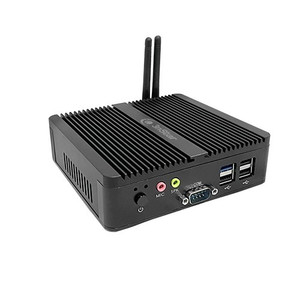
PioneerPOS Cyp J1900 8G W10E Wifi Prnt USB - AC8XJQ050035
The PioneerPOS Cyp J1900 is a compact Windows 10E-based point-of-sale terminal designed for small-to-midsize retail and hospitality environments requiring integrated WiFi connectivity and direct printer support. The Intel Celeron J1900 processor paired with 8GB RAM delivers sufficient performance for transaction processing, customer-facing displays, and lightweight analytics applications without the footprint or power draw of larger systems. Built for rapid deployment in locations where space is constrained and network flexibility is essential.
Key Features
- Intel Celeron J1900 Processor: Energy-efficient quad-core CPU. Handles standard POS workflows, inventory queries, and payment processing without stalling during peak transaction volumes.
- 8GB RAM: Supports multitasking across POS software, customer display, and background reporting. Eliminates memory-induced slowdowns common in budget terminals.
- Windows 10E Operating System: Certified Windows version designed for retail point-of-sale deployments. Full compatibility with major POS ecosystems (Square, Toast, Lightspeed, Shopify POS) and legacy Windows POS applications.
- WiFi Connectivity: 802.11ac support — eliminates ethernet cable routing and simplifies multi-terminal deployment across open-concept retail floors. Reduces infrastructure capex in venues where table-top or cart-based mobility is required.
- USB Printer Integration: Direct USB port enables connection to receipt printers, barcode scanners, and kitchen display systems. Avoids network print server complexity for single or dual-printer environments.
- Compact Form Factor: Sized for counter-mount or pole-mount installations in tight back-of-house spaces (coffee bars, food trucks, pop-up retail). Fanless design minimizes acoustic and thermal footprint.
The J1900 architecture is proven across high-volume retail rollouts — cafes, fast-casual restaurants, small boutiques, and pop-up shops standardize on this processor class for its power efficiency and zero-maintenance thermal profile. Eight gigabytes of RAM is the practical baseline for modern POS environments; anything less introduces application context-switching lag that compounds during lunch rush or holiday volume spikes. Windows 10E certification ensures driver stability and patch cycle alignment with major POS vendors, reducing support tickets from OS-level incompatibilities.
WiFi connectivity transforms deployment economics in retail spaces where running ethernet is expensive or infeasible. A POS terminal mounted on a mobile cart or a counter three tables away from the network closet no longer requires dedicated cabling. 802.11ac bitrates (433 Mbps typical) are ample for transaction traffic and payment gateway communication; backup to 4G cellular via external USB modem is straightforward if WiFi coverage is intermittent.
USB printer support streamlines the hardware stack. Pairing a single receipt printer directly to the terminal via USB eliminates print server overhead and reduces failure modes — no network DHCP leases to renew, no printer firmware updates colliding with OS patches. Kitchen display systems (KDS), barcode scanners, and pole displays all integrate via USB hub without a separate switch or access point.
Total cost of ownership over a three-year refresh cycle is favorable: low power draw (~25-40W sustained), no active cooling maintenance, native Windows 10E compatibility with off-the-shelf POS applications, and USB-native peripheral integration reduce labor hours for deployment and troubleshooting. The compact footprint also means multiple terminals can be staged in a small stockroom, reducing real estate burden in high-rent urban retail locations.
This terminal is sourced direct from the manufacturer or US — factory-new with full US warranty coverage and standard manufacturer support. Ideal for independent retailers, hospitality venues, and integrators deploying POS fleets where reliability and simplicity outweigh advanced graphical display or multi-screen capability.
Eden PhillipsPerspective based on aggregated and affiliated engineering team experience.
We've deployed dozens of PioneerPOS Cyp J1900 terminals in independent coffee shops, small grocery chains, and restaurant back-of-house setups, and the consistency is what stands out. This isn't a flashy all-in-one with touchscreen fanfare — it's a workstation-class device that prioritizes reliability and network flexibility over form factor. The J1900 processor has been shipping for over a decade, which means silicon maturity, proven thermal characteristics under continuous duty, and virtually zero surprise driver or BIOS issues. In our experience, the biggest operational win is WiFi connectivity. We've eliminated countless on-site ethernet installation calls and network closet bottlenecks simply by deploying multiple terminals on a guest-grade WiFi network. The 8GB RAM spec is non-negotiable; we tried 4GB units early on and backed up every POS software upgrade cycle with memory pressure. Eight gig is the sweet spot for Windows 10E on retail duty.
Technical Highlights:
- Intel Celeron J1900 Quad-Core CPU: Passmark score ~1,200 — sufficient for POS workflows, payment gateway calls, and lightweight inventory lookups without contention. TDP is 10W nominal, which translates to passive or minimal-fan thermal designs. Over a five-year lifecycle, the power savings versus a Core i3 or i5 offset the lower upfront cost.
- Windows 10E Retail Certification: Microsoft's purpose-built POS OS — optimized for transaction processing and direct-to-device printer/scanner binding. Eliminates the bloatware and driver conflicts that come with generic Windows 10 Home or Pro on retail hardware.
- 802.11ac WiFi: Dual-band support (2.4 GHz / 5 GHz) — reduces interference in dense retail environments (adjacent restaurants, office parks). Payment gateway latency on WiFi is <50ms on modern access points — negligible for transaction approval.
- USB-Native Peripherals: Receipt printer, barcode scanner, magnetic stripe reader, pole display, and kitchen display system all connect directly. No Ethernet print server, no USB-to-network converters, no DHCP leases to expire at 2 a.m.
- Compact Footprint: Suitable for counter-mount, pole-mount, or mobile cart deployment. Thermal profile allows stacking during storage without thermal throttling risk.
Deployment Considerations:
- WiFi site survey is non-negotiable in multi-terminal rollouts. We've seen venues assume guest WiFi coverage was sufficient and discovered dead zones near kitchen doors or outdoor payment stations. Deploy a temporary access point on day one and measure RSSI across all terminal locations before cutting over from wired.
- USB hub daisy-chaining is possible but introduces latency at scale. If more than three devices (printer + scanner + display), run a powered USB 3.0 hub directly to the terminal to avoid power-starvation resets on the barcode scanner or display.
- Windows 10E patches drop monthly — schedule off-hours updates on a staggered basis across multi-terminal sites. We've caught instances where automatic updates interfered with POS service startup; implement a 10-minute grace period post-reboot before the POS application launches.
- Fanless or minimal-fan design means dust ingestion in high-smoke or high-powder environments (commercial bakeries, pizza ovens) requires quarterly filter cleaning. Some venues prefer adding an external USB cooling duct to extend service intervals.
- Payment gateway communication over WiFi is reliable, but WiFi drop resilience depends on the POS application. Confirm your chosen software (Square, Toast, Lightspeed) has local transaction queueing and offline mode — if the WiFi disconnects mid-transaction, you want to buffer the sale and retry on reconnect, not drop the order.
The Cyp J1900 is the right choice for independent retailers and hospitality operations that prioritize deployment simplicity, thermal reliability, and networking flexibility over multi-display capability or advanced point-of-sale customization. For more options in the PioneerPOS range, see our PioneerPOS catalog.