
Ubiquiti UWB-XG vs Ubiquiti UK-ULTRA: Specification Comparison
Both the Ubiquiti UWB-XG and UK-ULTRA are Wi-Fi 5 (802.11ac) access points managed under the UniFi ecosystem, but they occupy very different positions in the wireless infrastructure stack. The UWB-XG is a high-density, multi-radio enterprise AP targeting stadiums, convention centers, and large campuses, while the UK-ULTRA is a compact, low-power outdoor unit aimed at small sites and utility pole deployments. Installers evaluating both are likely deciding between scale-out density and a lightweight distributed outdoor coverage model.
In This Guide
Which AP delivers more throughput and supports more concurrent clients?
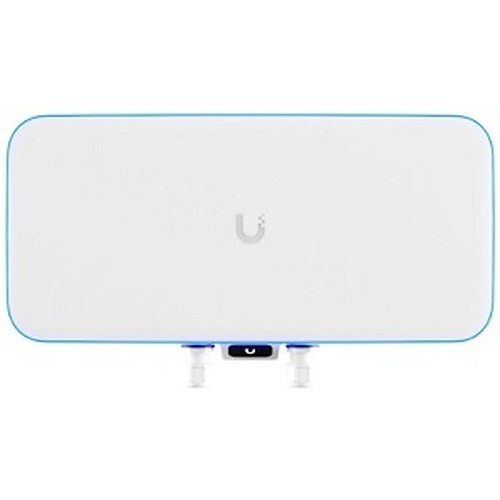
The UWB-XG deploys three independent 4x4 MIMO radios, each rated at 1.7 Gbps, for an aggregate theoretical throughput across all bands. It is explicitly rated for 1,500+ concurrent clients, making it purpose-built for dense venues where many devices associate simultaneously. Its 10 GbE ICM uplink port is sized to prevent backhaul from becoming the bottleneck when all three radios are loaded.
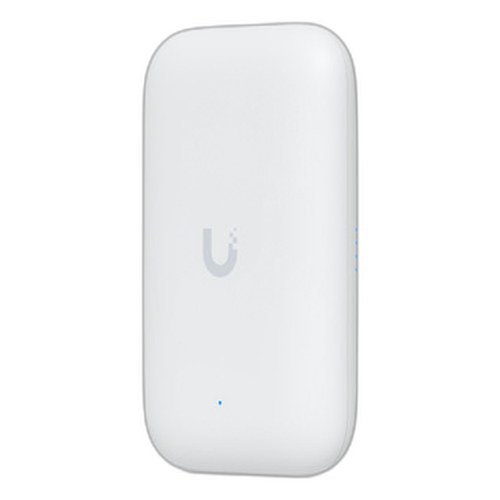
The UK-ULTRA is a dual-band unit: 866.7 Mbps on 5 GHz and 300 Mbps on 2.4 GHz. No concurrent-client rating is stated in the provided specifications. Its single 1 GbE RJ45 port caps aggregate backhaul at gigabit speeds. For sites where client count is modest and coverage area matters more than client density, the UK-ULTRA's throughput envelope is adequate; for dense deployments it is not a substitute for the UWB-XG.
How do power requirements, environmental ratings, and physical footprint compare?
The UWB-XG requires PoE++ (802.3bt) at 44–57V DC with a maximum draw of 31W. This means existing 802.3af or 802.3at infrastructure cannot power it; a PoE++ capable switch or injector is mandatory. It is rated for –40 to 70°C, the wider of the two temperature ranges. Physical size is substantial at 471.1 × 257.5 × 94.3 mm and 3.2 kg, reflecting its tri-radio antenna array and heat dissipation needs.
The UK-ULTRA draws just 8W maximum and is compatible with standard 802.3af PoE switches per the provided specifications, requiring no infrastructure upgrade at the edge. It carries an IPX6 environmental rating for rain and spray resistance, and its UV-stabilized polycarbonate enclosure is specified for outdoor exposure. Operating temperature is –40 to 60°C, 10°C narrower on the high end than the UWB-XG. At 137 × 84 × 34 mm and 173 g, it fits 1–2 inch utility poles without specialized mounting hardware. Wind loading is specified at 33.2 N at 200 km/h.
What management features and deployment scenarios does each AP support?
The UWB-XG specifies UniFi wireless management with eight BSSIDs per radio (24 total across three radios), RadSec support, captive portal functionality, and Dynamic RADIUS VLAN with guest isolation. These features align it with enterprise deployments requiring role-based network segmentation, external RADIUS authentication, and managed guest onboarding.
The UK-ULTRA's provided specifications indicate Ethernet-based management and eight BSSIDs per radio with VLAN support, but do not detail RadSec, captive portal, or Dynamic RADIUS VLAN capabilities. It is noted as NDAA compliant, which the UWB-XG specifications do not address. The UK-ULTRA holds certifications including Anatel (Brazil), extending its listed regulatory approvals beyond the CE/FCC/IC shared by both units. Both carry a manufacturer warranty; no numeric warranty term is given for either model.
Which should you choose: the UWB-XG or the UK-ULTRA?
Our take: The UWB-XG is the stronger choice when the deployment requires high client density, multi-radio spatial reuse, and a 10 GbE backhaul — the UK-ULTRA is the right fit when the priority is low-power outdoor pole coverage with standard PoE infrastructure. Key spec deltas: the UWB-XG supports 1,500+ concurrent clients against no stated rating for the UK-ULTRA; it provides 1.7 Gbps per radio across three bands versus 866.7 Mbps on a single 5 GHz radio; and it demands 31W PoE++ versus the UK-ULTRA's 8W 802.3af draw, which directly affects switch selection and cabling budget. The UWB-XG's –40 to 70°C rating gives it a 10°C high-end thermal advantage, but the UK-ULTRA adds IPX6 weatherproofing and an NDAA-compliant designation not present in the UWB-XG spec sheet. Buyers on existing 802.3af infrastructure deploying outdoor point coverage should select the UK-ULTRA; those deploying dense indoor venues with 10 GbE switching should select the UWB-XG.
Side-by-Side Comparison
Spec-for-spec, from manufacturer data.
| Specification | Ubiquiti UWB-XG | Ubiquiti UK-ULTRA |
|---|---|---|
| Wi-Fi Standard | Wi-Fi 5 (802.11ac) | Wi-Fi 5 (802.11ac) |
| Radio Configuration | Tri-band, 4x4 MIMO (3 radios) | Dual-band (5 GHz + 2.4 GHz) |
| Max Throughput (5 GHz) | 1.7 Gbps per radio | 866.7 Mbps |
| Max Throughput (2.4 GHz) | 1.7 Gbps per radio | 300 Mbps |
| Concurrent Client Rating | 1,500+ | Not stated |
| Uplink Port | 1× 10 GbE ICM + 1× 1 GbE RJ45 | 1× 1 GbE RJ45 |
| PoE Standard | PoE++ (802.3bt) | PoE (802.3af) |
| Max Power Consumption | 31W | 8W |
| BSSIDs | 8 per radio (24 total) | 8 per radio |
| Operating Temperature | –40 to 70°C | –40 to 60°C |
| IP / Weather Rating | Not stated | IPX6 |
| Dimensions | 471.1 × 257.5 × 94.3 mm | 137 × 84 × 34 mm |
| Weight | 3.2 kg | 173 g (6.1 oz) |
| Mount Types | Wall, Pole (1–3"), VESA | Pole (1–2") |
| NDAA Compliant | Not stated | Yes |
| Certifications | CE, FCC, IC | CE, FCC, IC, Anatel |
Frequently Asked Questions
Which should you choose: the UWB-XG or the UK-ULTRA?
The UWB-XG is the stronger choice when the deployment requires high client density, multi-radio spatial reuse, and a 10 GbE backhaul — the UK-ULTRA is the right fit when the priority is low-power outdoor pole coverage with standard PoE infrastructure. Key spec deltas: the UWB-XG supports 1,500+ concurrent clients against no stated rating for the UK-ULTRA; it provides 1.7 Gbps per radio across three bands versus 866.7 Mbps on a single 5 GHz radio; and it demands 31W PoE++ versus the UK-ULTRA's 8W 802.3af draw, which directly affects switch selection and cabling budget. The UWB-XG's –40 to 70°C rating gives it a 10°C high-end thermal advantage, but the UK-ULTRA adds IPX6 weatherproofing and an NDAA-compliant designation not present in the UWB-XG spec sheet. Buyers on existing 802.3af infrastructure deploying outdoor point coverage should select the UK-ULTRA; those deploying dense indoor venues with 10 GbE switching should select the UWB-XG.
Can I power the UWB-XG from the same PoE switch I use for the UK-ULTRA?
Not based on the provided specifications. The UK-ULTRA draws 8W and is compatible with 802.3af PoE (per its spec sheet listing PoE 802.3af). The UWB-XG requires PoE++ (802.3bt) at up to 31W. A switch that only supplies 802.3af or 802.3at output cannot power the UWB-XG; a PoE++ capable switch or injector is required for that unit.
Is the UWB-XG or UK-ULTRA better for a large outdoor event with hundreds of attendees?
The UWB-XG is specified for 1,500+ concurrent clients across three 4x4 MIMO radios, each delivering 1.7 Gbps, with a 10 GbE uplink to prevent backhaul saturation — this directly targets high-density event scenarios. The UK-ULTRA provides no concurrent-client rating in the supplied specifications and is capped at a 1 GbE uplink. For large outdoor events with dense client counts, the UWB-XG's specifications are designed for that load; the UK-ULTRA is better suited to distributed low-density coverage.
Which unit is rated for harsher outdoor environments?
Both are rated to –40°C on the low end. On the high end, the UWB-XG is rated to 70°C versus the UK-ULTRA's 60°C, giving the UWB-XG a 10°C advantage in hot climates. However, the UK-ULTRA carries an explicit IPX6 water-ingress rating and a UV-stabilized polycarbonate enclosure specified for outdoor exposure, plus a wind-load rating of 33.2 N at 200 km/h. The UWB-XG's provided specifications do not include an IP ingress rating or wind-load figure. For rain- and spray-exposed pole installations, the UK-ULTRA's IPX6 rating is the documented spec; the UWB-XG's outdoor suitability under water ingress is not stated in the supplied data.
More Wireless Access Point Comparisons
Get a Second Opinion on Your Camera Choice
Share your site layout, coverage goals, and budget. Our team will validate the camera selection, flag anything we would change, and recommend products that match the use case.