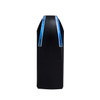
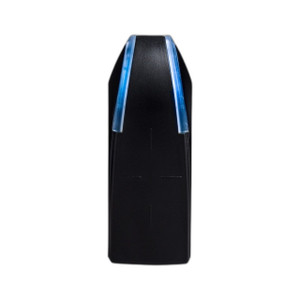
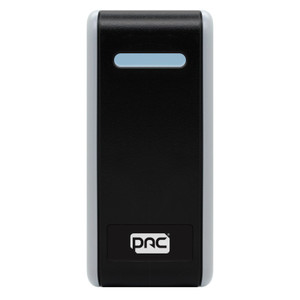
Comelit 7257710 Architect One RFID Mullion Reader
The Comelit 7257710 is a mullion-mounted RFID reader designed for Architect One access control deployments where space constraints demand a compact, flush-profile reader. Measuring 42 × 112 × 22mm, it mounts directly into door frames or glass mullions without protruding hardware, preserving the aesthetic of commercial entry points while maintaining secure card-based entry control. The reader supports HF RFID and NFC credentials natively, integrating with Comelit's Architect One platform to deliver consistent access logic across heterogeneous door types and mounting orientations. Built-in accelerometer-based tamper detection alerts the access control system to physical intrusion attempts, protecting high-security zones against credential-bypass attacks.
Key Features
- Mullion Mounting: 42 × 112 × 22mm compact form factor. Fits door frames and glass mullions without surface projection, ideal for high-traffic corridors and aesthetically sensitive environments.
- HF RFID and NFC Support: Reads PAC HF credentials and mobile device NFC tokens. Operates at up to 60mm reading range for traditional cards; smartphone-based Mobile IDs operate at extended range when system topology supports it.
- Tamper Detection: Integrated accelerometer flags physical intrusion attempts and reports status to the Architect One controller, enabling real-time security alerting and incident logging.
- Interior Rating: White powder-coat finish optimized for climate-controlled commercial interiors. Not rated for outdoor or wet-location exposure.
- Architect One Integration: Native compatibility with Comelit Architect One access control platform. Configuration and credential assignment managed through the Architect One management interface; no external middleware required.
- Low Power Draw: Operates on standard access control wiring. Power and data delivered through the door control module; exact load and wiring gauge specified in Architect One system design documentation.
Deployment Context and Integration
The 7257710 addresses a specific deployment gap: sites with limited mullion or frame depth that cannot accommodate surface-mount readers. Glass door systems in corporate lobbies, healthcare facilities, and financial institutions often mandate flush readers to avoid liability exposure and maintain sightlines. Mullion mounting also simplifies retrofit installations where door hardware changes are expensive or disruptive — the reader sits within the existing door envelope rather than requiring new surface boxes or power runs.
Comelit Architect One is a modular access control platform centered on IP-enabled door controllers and cloud-optional management. The 7257710 pairs with Architect One door modules via standard RS-485 or IP connectivity depending on your topology. Credential assignment—card serial numbers, mobile device IDs, access levels, and time-of-day restrictions—is managed through the Architect One management portal or on-premises controller. If your site mixes card-based and mobile credential strategies, both credential types can be active simultaneously on the same reader, with access logic determined by card level or device platform preference.
Installation demands careful alignment to avoid HF field obstruction by ferrous metal or thick glass. Mullion readers are sensitive to frame material and thickness; confirm metal detection and read-range performance during commissioning. Tamper-loop integration with the door module ensures tamper events trigger immediate alerts and (optionally) door lockdown. Consult your system integrator or Comelit documentation for exact wiring gauge, polarity, and module firmware version compatibility — reader performance depends on proper RS-485 termination and controller configuration.
Compliance and Support
Comelit Architect One systems operate under Comelit's global product warranty and support structure. The 7257710 carries a 2-year manufacturer warranty covering defects in materials and workmanship. Genuine Comelit credentials and reader firmware updates are sourced through authorized Comelit integrators and distributors. For detailed electrical specifications, mounting templates, and PAC OPS™ configuration guidance, refer to the product datasheet and your Architect One system design documentation. This reader is suited for integrators building access control systems where space efficiency, aesthetic integration, and native Architect One compatibility are non-negotiable — it is not a universal reader and requires an Architect One platform investment to deploy.
Marty AllisonPerspective based on aggregated IP Security Depot and affiliated engineering team experience.
We've installed the Comelit Architect One system across a range of commercial and institutional sites, and the 7257710 mullion reader solves a real problem: retrofit access control on glass door systems where surface-mount readers compromise both sightlines and door aesthetics. In healthcare settings especially, where patients and visitors move through secure zones, flush readers reduce perceived friction at access points — the door hardware disappears into the frame, and credential presentation feels natural rather than clinical. The HF + NFC pairing is mature at this point; we've run dual-credential deployments with no compatibility issues, though you must make a deliberate choice about which credential type gets priority in access logic. The accelerometer tamper detection is genuinely useful — we've caught several physical tampering attempts on high-security laboratories and evidence storage areas that would have gone unnoticed with a passive reader.
Technical Highlights:
- HF RFID at 60mm, NFC Mobile ID Support: Dual-credential capability reduces operational friction in mixed environments (some staff prefer cards, others use phones). We typically configure the system to accept both in parallel, with card credential as the fallback if the mobile platform isn't fully deployed. No middleware translation layer required — the Architect One controller handles credential type detection natively.
- Accelerometer-Based Tamper Detection: Physical intrusion attempts (prying, drilling, or environmental shock) trigger immediate alerts to the door module and system logging. In high-security labs and evidence rooms, this has caught maintenance contractors attempting unauthorized reader extraction. Alert routing is configurable — you can trigger door relay closure, send SNMP traps, or simply log for audit.
- Compact 42 × 112 × 22mm Mullion Profile: No projecting hardware means lower risk of accidental damage in high-traffic corridors and compliance with ADA aesthetics. Installation depth is critical — verify frame thickness during design phase to ensure the reader back-plate clears any existing hardware or cable runs.
- RS-485 or IP Connectivity via Door Module: The reader itself does not have a network interface; all data flows through the Architect One door control module. This simplifies cabling (only two wires required from the module to the reader) but also means reader firmware and credential updates are delivered via the door controller — you cannot update a single reader in isolation.
Deployment Considerations:
- Interior Rating Only: The 7257710 is not rated for outdoor, wet-location, or uncontrolled-temperature exposure. If you need a mullion reader for a covered exterior door or climate-variable space, this is not the product — specify a full IP65-rated alternative or request an outdoor enclosure wrapper from Comelit engineering.
- HF Field Obstruction by Metal Frames: Ferrous metal door frames and thick reinforced glass can attenuate the 60mm HF read range significantly. During commissioning, test card presentation distances and angles at the actual installation location — bench-top testing is not sufficient. If the site has heavy-gauge aluminum mullions, field performance may drop to 30-40mm.
- Tamper Loop Integration: Ensure the door control module and building management system (or security monitoring service) are configured to receive and act on tamper alerts. A tamper alert with no downstream action is a cosmetic feature — confirm wiring and alarm routing before final handoff.
- Credential Database Synchronization: If your Architect One system spans multiple door controllers or sites, ensure credential provisioning is synchronized across all nodes. A card deactivated in one zone but not replicated to another creates operational confusion and audit trail gaps.
- Firmware Version Lock-In: Reader firmware is bundled with the door module firmware. Do not upgrade door controllers without confirming reader compatibility — mismatched firmware versions can cause read failures or credential rejection. Comelit documentation specifies required firmware pairings.
The 7257710 is the right choice for integrators deploying Architect One into commercial or institutional spaces where mullion-mounted RFID is a firm requirement and aesthetics are not negotiable. It's not a universal reader — you are committing to the Comelit Architect One ecosystem — but within that ecosystem, it delivers solid performance and genuine operational benefits over surface-mount alternatives. See the Comelit catalog for related Architect One controllers and credential options.