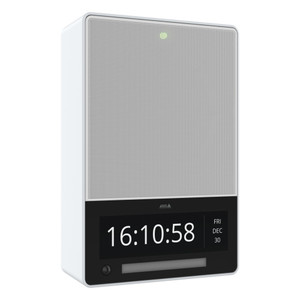
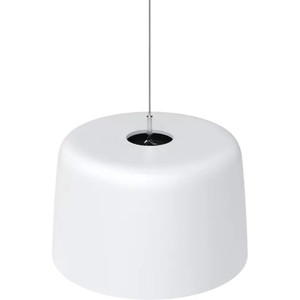
Axis 02960-001 C1720 Network Display Speaker Dual-Sided
Overview
The Axis 02960-001 is a dual-sided, all-in-one IP audio and visual communication appliance designed for high-traffic indoor environments where synchronized announcements and emergency alerts must reach people approaching from either direction. Each face combines a network speaker, high-visibility LED alphanumeric text display, and integrated strobe bar section—eliminating the need to deploy multiple single-sided units in corridors, transit stations, airports, and educational facilities. Unlike traditional paging speakers that deliver audio alone, the C1720 adds a visual layer critical for noisy environments and accessibility compliance.
Key Features
- Dual-sided 3-in-1 design: Integrated speaker, LED text display, and strobe bar on both sides reduce installation footprint and cost compared to deploying two separate units. A single wall or ceiling mount point simplifies wiring and network drops.
- Two-way audio via SIP: Supports SIP and VoIP standards, enabling interactive real-time communication between dispatch centers and field teams. Works with existing VoIP infrastructure without requiring proprietary hardware or custom firmware.
- PoE powered (802.3af compliant): Draws power from your network switch, eliminating the need for dedicated 110/220V electrical circuits. Reduces installation time and cost, and centralizes power management through network infrastructure—particularly valuable during emergency scenarios when power distribution may be disrupted.
- Content prioritization and audio zoning: Route critical life-safety messages first; routine announcements follow. Zoning prevents alert fatigue—a real problem in large facilities where non-stop paging destroys situational awareness and causes staff to ignore warnings.
- Remote health monitoring: Monitor device connectivity, audio output levels, and LED status from a central dashboard via network management platforms. Identifies failures before frontline staff report them, reducing downtime in facilities where communication loss is unacceptable (transit, healthcare, emergency operations).
- Axis Audio Manager integration: Centralized scheduling, content management, and multi-zone orchestration across dozens or hundreds of speakers. Supports time-based announcements, occupancy-triggered alerts, and dynamic message insertion without manual intervention on individual devices.
- Open-platform architecture: ONVIF-compliant audio signaling and standard SIP eliminate proprietary lock-in. Integrates with VMS platforms and third-party paging software.
- Wall and ceiling mounting: Supports both orientations via optional Axis TC1604 or TC1605 mounting accessories (not included). Dual-sided orientation works well in aisles, corridors, and departure halls where foot traffic flows in both directions.
Integration & Compatibility
The C1720 connects directly to SIP-enabled PBX systems, Cisco Unified Communications, Avaya, and other enterprise voice platforms. Axis Audio Manager provides API-driven scheduling and multi-zone control, allowing you to trigger announcements from external event systems (fire alarms, security incidents, occupancy sensors, or custom business logic). VMS platforms like Milestone XProtect can trigger audio alerts based on camera analytics or manual dispatch. Health monitoring integrates with SNMP-capable network monitoring tools, so device status rolls up alongside your switch, router, and camera telemetry.
Frequently Asked Questions
Q: Can the 02960-001 C1720 be installed outdoors?
A: No. The C1720 is rated for indoor environments only. Outdoor installations would require an Axis outdoor-rated speaker (consult Axis environmental specifications for weather-rated alternatives).
Q: What's the typical speaker output level, and will it work in loud environments?
A: Consult the product datasheet for dB output specifications. The integrated strobe bar provides visual alert backup in noise-critical settings (airports, manufacturing floors, noisy transit stations), ensuring deaf and hard-of-hearing staff receive alerts via multiple sensory channels.
Q: Does the C1720 work with Milestone, Genetec, or other VMS platforms?
A: Yes, via ONVIF audio signaling and open SIP standards. Integration depends on your VMS's audio API capabilities. Many platforms support trigger-based audio playback; confirm with your VMS vendor that audio device integration is enabled in your version.
Q: What's the maximum number of zones or devices I can control?
A: Axis Audio Manager scales to hundreds of devices. Practical limits depend on your network bandwidth, switch PoE budget, and audio manager capacity. For large deployments (50+ speakers), conduct a pre-design review with network and audio specifications.
Q: How much PoE power does the 02960-001 consume?
A: Consult the product datasheet for exact wattage. Verify your switch has adequate remaining PoE capacity before deploying multiple units. A single C1720 should not stress a modern PoE+ or PoE++ switch, but large multi-speaker installations require power budget calculations.
Q: Can I use the C1720 for two-way paging between a dispatch center and field staff?
A: Yes. The SIP integration supports bidirectional audio. Configure microphone input on the C1720 (if available per datasheet) or pair with external microphones on the receiving end for full duplex dispatch communication.
Ted PerryPerspective based on aggregated IP Security Depot and affiliated engineering team experience.
The Axis 02960-001 addresses a stubborn gap in facility communication: the need for synchronized audio and visual messaging in bidirectional spaces. Unlike single-speaker solutions requiring two devices to cover both directions, the C1720 delivers integrated audio and LED text display from both sides of one ceiling or wall-mounted unit. That cuts installation labor, network cabling, and total cost of ownership—a real factor when deploying across dozens of corridors or a sprawling transit station.
Technical Highlights:
- Dual-sided form factor: Covers foot traffic flowing in both directions from a single mount point. Eliminates redundant cabling and PoE consumption compared to deploying two single-sided speakers.
- Integrated LED text display + strobe bar: Visual alerts reach deaf and hard-of-hearing staff and passengers in high-noise environments (airport terminals, train stations, factory floors) where audio alone fails to alert. The strobe bar adds a third sensory layer for emergency situations.
- PoE delivery via 802.3af: Operates within standard PoE power budgets, simplifying switch provisioning. No electrician call-outs for dedicated wall circuits—critical during facility expansions or emergency deployments where time matters.
- Content prioritization and audio zoning: Prevents alert fatigue by routing life-safety messages first and routine announcements into separate queues. Tested in healthcare and transit settings where staff ignoring non-critical pages is a documented problem.
- Remote health monitoring: Central dashboard visibility into device connectivity, audio output, and display status eliminates blind spots in system reliability. Real deployment benefit in life-safety facilities (hospitals, emergency operations, transit control centers) where communication failure is a reportable incident.
Deployment Considerations:
- PoE power budget: Verify your switch has sufficient remaining capacity per the datasheet wattage. Large deployments (50+ units) require pre-design power calculations to avoid overloading ports or introducing latency from power management contention.
- SIP integration complexity: Requires a functioning SIP infrastructure (Cisco UC, Avaya, enterprise PBX). If your site runs legacy TDM or closed-vendor paging systems, expect integration development effort and possible platform migration.
- Microphone input: Verify whether the 02960-001 supports built-in or external microphone input per the datasheet. Two-way dispatch setups may require external microphone adapters or endpoint configuration.
- Indoor-only rating: Not weatherproof. Outdoor or semi-outdoor transit canopies require alternative Axis models rated for environmental exposure.
The C1720 is strongest in transit hubs, healthcare facilities, and educational campuses where bidirectional messaging is standard, foot traffic is heavy, and noise levels demand visual reinforcement. If you're deploying single-direction paging (e.g., a classroom to hallway only), a single-sided speaker costs less. But in facilities mapping multiple corridors, atriums, or multi-directional passenger flows, the dual-sided 02960-001 pays for itself in labor savings and simplified infrastructure management.