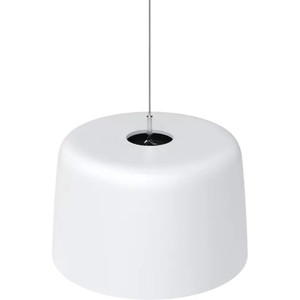
Axis 02324-001 C1210-E Network Ceiling Speaker
The Axis 02324-001 is a wired network audio endpoint designed for distributed speech and background music delivery across corporate, retail, and educational facilities. Built as a flush-mount ceiling speaker, the C1210-E integrates directly into IP audio systems via Ethernet, eliminating the need for separate power runs and simplifying infrastructure for integrators managing multi-zone announcements, paging, and ambient audio.
Overview
This speaker operates as a standalone networked audio device, receiving audio streams over IP and converting them to speaker output without requiring a separate amplifier or analog audio cables at the endpoint. Power and network connectivity arrive through a single PoE connection, reducing installation labor and eliminating the cable congestion that typically accompanies traditional speaker systems. The network ceiling speaker supports remote configuration via a web interface, allowing technicians to adjust volume, test connectivity, and push firmware updates without physical access to mounting locations.
The discreet form factor—designed to sit flush in standard ceiling tile grids—makes it suitable for environments where visible infrastructure is a liability. Unlike traditional speaker boxes, the C1210-E blends into the architectural background while delivering uniform sound coverage across medium-sized rooms.
Key Features
- Power over Ethernet (PoE) Operation: Draws power over a single Ethernet cable, eliminating the need for a separate 12VDC or AC power supply at each speaker location. Reduces installation time and removes a single-point-of-failure power connection from each endpoint.
- Ceiling Tile Mounting: Designed for flush installation in drop ceilings with a low-profile footprint. Installation template is provided to simplify tile cutouts and positioning, reducing field measurement errors.
- Network Audio Integration: Connects to IP audio systems and VoIP platforms over standard Ethernet. Allows remote provisioning and volume control from a central management console or web dashboard, critical for facilities with dozens of speakers across multiple zones.
- VoIP Paging Support: Compatible with Voice over IP systems, enabling live emergency announcements and zone-based paging without requiring separate analog paging infrastructure. Reduces complexity when integrating audio into existing IP phone systems.
- Wired Connectivity Only: No battery, no wireless fallback. Ensures predictable audio delivery tied to network availability; unsuitable for locations requiring autonomous or battery-backed audio capability.
- Indoor-Only Rating: Designed for controlled indoor environments (offices, retail, education). Not rated for moisture exposure, UV weathering, or temperature extremes. Skip this model if you need outdoor coverage or high-humidity spaces like kitchens or pool areas.
- Centralized Management: Web-based interface supports remote volume adjustment, audio source assignment, and diagnostics. Allows one technician to manage audio across a campus or multi-floor facility without traveling to each speaker.
- Standard Networking: Adheres to open IP standards, avoiding proprietary audio protocols. Works with third-party network infrastructure and audio management software that supports standard network audio distribution.
Integration & Compatibility
The 02324-001 integrates with Axis audio and security systems and works within any IP network that can carry unicast or multicast audio streams. Compatibility extends to VoIP phone systems that support SIP-based paging and to audio management platforms that conform to open networking standards. For deployments using proprietary audio encodings or closed-ecosystem management platforms, verify codec compatibility before committing to large speaker quantities.
When planning a multi-speaker deployment, consult your managed network switch specifications to confirm PoE power budget. A single C1210-E draws moderate power, but 20 or 50 speakers in a building may require dedicated PoE+ injection or switch modules.
What's in the Box
- Axis C1210-E Discreet Network Ceiling Speaker (02324-001)
- Installation Template
- Power over Ethernet (PoE) Injector
- Mounting Hardware
- Quick Installation Guide
- Warranty Documentation
Frequently Asked Questions
Q: Does the Axis 02324-001 work with my existing analog paging system?
A: No. The C1210-E is an IP-native device and requires network audio or VoIP input. If you have an analog paging system, you would need a separate analog-to-IP gateway or audio encoder to bridge the systems.
Q: Can I use the 02324-001 in a humid environment like a bathroom or kitchen?
A: The C1210-E is rated for indoor use only and is not designed for moisture exposure. For kitchens, bathrooms, or other high-humidity spaces, you need an IP66-rated outdoor or wet-location speaker.
Q: What PoE standard does the Axis C1210-E require?
A: The speaker draws power via standard PoE (802.3af). Most modern PoE switches and injectors support this standard, but confirm your network switch has sufficient remaining power budget before adding multiple speakers.
Q: Can I adjust volume remotely on the 02324-001?
A: Yes. The speaker supports remote volume and configuration adjustments via its web interface once provisioned on your network. This allows centralized control without physical access to each ceiling-mounted unit.
Q: Is the Axis 02324-001 NDAA Section 889 compliant?
A: Evidence does not provide NDAA compliance certification for this model. Consult the manufacturer or your Axis partner if federal procurement compliance is required.
Q: What warranty period comes with the 02324-001?
A: Warranty documentation is included in the box. Consult that documentation or the manufacturer for specific coverage terms and duration.
Ted PerryPerspective based on aggregated IP Security Depot and affiliated engineering team experience.
The Axis 02324-001 occupies a specific and narrow deployment space: IP-native audio distribution in controlled indoor facilities where centralized remote management and low-profile aesthetics matter more than rugged weathering or standalone operation. The PoE-only power model eliminates power supply complexity, but it also means the speaker is completely silent if network or PoE fails—no battery, no fallback. That's a critical design constraint for emergency audio applications.
Technical Highlights:
- PoE (802.3af) Power: Single Ethernet cable delivers both network and power, reducing installation points and eliminating separate 12VDC or AC runs to each ceiling location. Standard PoE budget is sufficient for this model, but calculate total wattage across all speakers before committing to a switch.
- Flush Ceiling Mount: The low-profile form factor fits standard drop-ceiling grids, making it invisible in most corporate and retail environments. Installation template provided reduces field measurement error and speeds deployment.
- Web-Based Remote Management: Volume, audio source, and diagnostics are manageable from a browser without climbing to each ceiling. Critical for multi-floor or multi-zone facilities where technician travel adds labor cost.
- VoIP Integration: Works with SIP-based paging systems, folding announcements into existing IP phone infrastructure rather than requiring parallel analog paging equipment.
Deployment Considerations:
- Network Dependency: The 02324-001 is entirely dependent on network and PoE availability. If your facility has UPS-backed network and PoE infrastructure, this is fine. If not, you lose all audio capability during a power event—even if backup generators kick in, network latency and failover timing can silence the speaker for critical minutes.
- Indoor Only: Skip this model for kitchens, bathrooms, loading docks, or outdoor covered areas. The absence of moisture or temperature rating makes it unsuitable for humidity or thermal stress.
- Codec Compatibility: Verify your audio management system or VoIP gateway supports the audio codecs the speaker expects. Proprietary encoding or exotic SIP variants can create integration friction.
The 02324-001 is a strong fit for corporate office paging, retail background music distribution, and educational campus announcements where the network is stable, aesthetics matter, and technicians can manage dozens of units from a central console. It is not a suitable choice for autonomous audio (no battery), emergency-critical announcements without redundant network paths, or outdoor or wet-location installations.