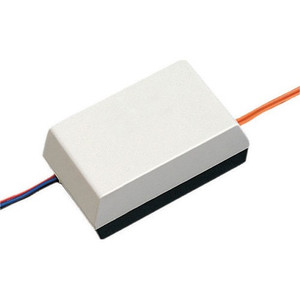
Aiphone GT-RY External Signaling Relay
The Aiphone GT-RY is an external signaling relay module engineered as an expansion option for the GT series intercom system. This relay adds normally open dry contact closure capability, allowing the intercom system to trigger external notification and access control devices when a tenant station receives a call. The GT-RY operates at DC 24V with a maximum draw of 0.5A, making it suitable for integration into multi-unit residential and commercial access control workflows without requiring a separate high-power supply.
Key Features
- Normally Open Dry Contact: Provides a clean, isolated contact closure upon call-in at any tenant station — no voltage leakage to the external device circuit. This isolation prevents signal crosstalk and allows the relay to trigger low-voltage auxiliary equipment like electric door strikes, solenoid locks, or buzzer boards independently of the main intercom audio path.
- 24VDC Operating Voltage at 0.5A: Draws minimal power from the system supply, reducing the risk of voltage sag when other GT series components are active. This low current draw means you won't need to upsize the power supply or add dedicated conditioning for the relay circuit.
- 12-Pin Option Connector Interface: Connects to compatible GT series tenant stations via the optional 12-pin connector package. This modular design allows installation and removal without disrupting the main intercom wiring — a practical advantage in retrofit scenarios or when expanding an existing GT deployment.
- Call-Triggered Activation: The relay energizes when a call is placed to any associated tenant station, automating the unlock or alert sequence. This eliminates the need for manual door release buttons and integrates naturally into access control workflows where entry decisions are made during the call itself.
- Multi-Unit Residential and Commercial Compatibility: The GT-RY is designed for distributed tenant station environments where a single intercom system serves multiple units or zones. Each tenant station with the relay can independently trigger its own access device, supporting building-wide deployments without a centralized control panel.
- Auxiliary Device Integration: Rated for control of low-voltage load devices such as entrance lights, LED indicators, relay boards, or programmable logic controllers that accept a 24VDC dry contact input. Always verify the external device specifications and ensure the contact rating matches the intended load.
Integration and Compatibility
The GT-RY requires the optional 12-pin connector package, which must be provisioned on the tenant station at the time of installation or ordered separately for retrofit. The relay integrates directly into the GT series intercom network architecture and does not require separate programming or configuration beyond physical wiring to the external device. Installation involves running a two-conductor line from the relay contact terminals to the trigger input of the target access control or notification device.
This module is ideal for expanding intercom systems in environments where automated door release, strobe light activation, or audible alert signaling is required. When paired with a complete access control system, the GT-RY provides a cost-effective way to integrate call-triggered hardware control without a dedicated control panel.
Typical Deployment Scenarios
Multi-family residential buildings commonly deploy the GT-RY at main entry stations to trigger door strikes upon visitor approval. Healthcare facilities and secured office buildings use the relay to activate entrance lights or alert devices when calls are received. In warehouse and manufacturing environments with intercom-based visitor management, the GT-RY automates gate or emergency exit signaling.
Frequently Asked Questions
Q: What devices can the GT-RY relay control?
A: The GT-RY provides a normally open dry contact closure rated for 24VDC loads. It can trigger door strikes, electric solenoid locks, relay boards, LED indicators, buzzer modules, or any auxiliary device that accepts a 24VDC contact closure input. Verify the target device's voltage and contact input specifications before wiring.
Q: Does the GT-RY require a separate power supply?
A: No. The GT-RY operates from the same DC 24V supply that powers the GT series intercom system. At 0.5A maximum draw, it will not strain the primary power supply in most deployments.
Q: Can I install the GT-RY on an existing tenant station?
A: Yes, if the tenant station has the optional 12-pin connector package installed. If not, the connector package must be ordered separately and installed by a qualified technician. The relay itself is added via this connector without modifying the main intercom wiring.
Q: How is the relay triggered — does a specific button need to be pressed?
A: The relay energizes automatically when a call is placed to a tenant station equipped with the GT-RY. No additional button press is required; the call event itself activates the contact closure.
Q: What is the contact rating for the dry contact output?
A: The GT-RY provides a normally open dry contact closure. Always consult the manufacturer's specification sheet for exact voltage and current ratings before connecting to external devices. Contact the device manufacturer if you need confirmation on load compatibility.
Ted PerryPerspective based on aggregated IP Security Depot and affiliated engineering team experience.
The GT-RY is a straightforward and often-underestimated workhorse in multi-unit residential access control. At 0.5A on 24VDC, this relay module is lightweight in terms of infrastructure demand, yet it eliminates the operational friction of manual door release buttons. The normally open dry contact design is key — it provides galvanic isolation between the intercom audio circuit and the external control load, which matters when you're running coax or shielded cable alongside building access wiring.
Technical Highlights:
- DC 24V @ 0.5A Operating Draw: Low-power consumption means the GT-RY integrates cleanly into existing Aiphone power supplies without requiring power conditioning or upgrade. This is particularly valuable in retrofit installations where the intercom supply is already sized for base system load.
- Normally Open Dry Contact Closure: Provides galvanic isolation between the intercom circuit and the access control load. This isolation prevents audio crosstalk and allows the relay to drive external devices (door strikes, lights, alarms) without signal degradation on the main intercom path.
- 12-Pin Connector Integration: Modular connection to GT series tenant stations via optional connector package. This design supports field installation and future expansion without re-terminating the primary intercom wiring.
Deployment Considerations:
- Connector Dependency: The GT-RY requires the optional 12-pin connector package on the tenant station. Verify this package is specified and installed before ordering the relay — retrofit installations often require separate connector procurement and skilled termination.
- Load Verification: Confirm that your target device (door strike, buzzer, indicator lamp) is rated for 24VDC dry contact triggering. Mismatched voltage or contact logic will cause the device to malfunction or remain inactive. Consult external device datasheets before commissioning.
Deploy the GT-RY in multi-family residential entry control workflows where call-triggered door release eliminates manual unlock steps and integrates tenant approval directly into the access sequence. The isolation and low power draw also make it suitable for healthcare facilities and secured office buildings where automated alert signaling is required on tenant contact.