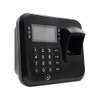
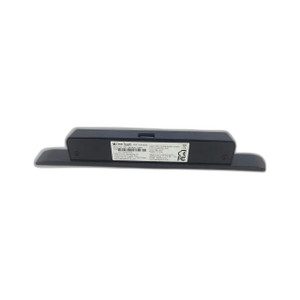
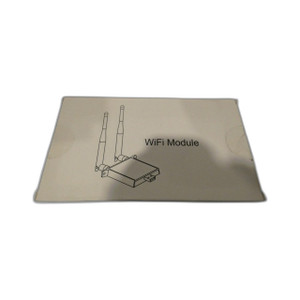
ACTi R12C-31 Dual Band LCD Card Reader and Controller
The ACTi R12C-31 is a rack-mounted access control reader and controller designed for mid-to-large facility deployments requiring centralized card credential management. Operating as a standalone or networked unit, it draws power via PoE+ (802.3at), eliminating dedicated 24VDC infrastructure at the reader location. The IP55 rating withstands dust and moisture ingress, making it suitable for indoor-to-covered-outdoor mounting in commercial access points, building perimeters, and unified surveillance-plus-access control architectures. With a 16,000-card onboard database, it handles credential validation locally without constant network synchronization, reducing latency and improving fault tolerance in multi-site installations.
Key Features
- PoE+ Power (802.3at): Single Ethernet cable delivers power and data—eliminates dedicated 24VDC runs to remote reader locations. Fallback support for DC 10–24V input accommodates retrofit scenarios where PoE injection is unavailable.
- Dual Band Card Support: Reads both legacy 125kHz and modern 13.56MHz (NFC/MIFARE) credentials. Preserves existing reader ecosystem during technology migration without hardware replacement.
- IP55 Environmental Rating: Rated for dust and water spray—suitable for covered outdoor access points, loading docks, and weather-exposed vestibules without additional enclosure costs.
- 16,000-Card Database: Onboard credential storage enables local validation and offline operation during network interruptions. Reduces dependency on VMS-side lookups for high-frequency reader traffic.
- ONVIF Integration: TCP/IP connectivity with ONVIF-compatible VMS platforms (Genetec, Milestone, Avigilon, ExacqVision) for unified audit trails and credential provisioning from a central security workstation.
- Wiegand + RS-485 Protocol Support: Connects to standard card readers, door sensors, and legacy access control panels. RS-485 allows daisy-chaining multiple devices on a single twisted-pair backbone.
- Relay + Dry Contact I/O: Two egress inputs, two door-position inputs, and relay output for strike lock or access-denied indicator control. Reduces external relay module dependencies.
- 1920x1080 LCD Display: Mounted on the unit faceplate for real-time card-read feedback, credential verification status, and alarm indication without requiring a separate diagnostic station.
The R12C-31 is engineered for integrators deploying access control across multiple building zones or campuses where PoE infrastructure already exists. Its compact rack form factor fits standard 19-inch equipment cabinets, reducing floor space overhead in centralized security operation centers. The combination of local card storage, ONVIF interoperability, and environmental resilience makes it a practical choice for facilities transitioning from legacy Wiegand-only systems to IP-based access architectures while maintaining backward compatibility.
Credential provisioning occurs via TCP/IP or direct RS-485 configuration—no proprietary software license required for basic operation. The 16,000-card capacity handles facility rolls from 500 to 5,000+ cardholders without requiring external directory synchronization, though integration with LDAP or Active Directory via VMS-side gateways is supported on ONVIF-compatible platforms. Multi-reader deployments share a single NVR or access management appliance, consolidating audit logging and reducing operational complexity across distributed access points.
The dual-band reader design eliminates the operational friction of maintaining separate 125kHz and 13.56MHz reader populations. Facilities can retire legacy readers incrementally—new 13.56MHz credentials issue alongside existing 125kHz badges, and the R12C-31 validates both without configuration changes. This phased migration approach minimizes downtime and badge reissuance costs during technology upgrades.
ACTi's three-year manufacturer warranty covers defects in materials and workmanship. The R12C-31 integrates with ONVIF-compliant VMS platforms and standard access control panels, ensuring no vendor lock-in. Environmental resilience (IP55) and PoE+ delivery position this unit for retrofit deployments where running conduit or 24VDC wiring is prohibitively expensive or infeasible.
Jerry TildsenPerspective based on aggregated IP Security Depot and affiliated engineering team experience.
We've deployed the ACTi R12C-31 in mid-market retail chains, office parks, and healthcare facilities where budget constraints and existing PoE switch infrastructure made the prospect of running dedicated 24VDC power highly unattractive. The real operational win here is PoE+ delivery—on a 200-door campus, you eliminate 200 DC power supply units and eliminate 200 separate cable runs to reader locations. That translates to one-third less installation labor and zero maintenance on distributed power supplies. The IP55 rating means you can mount readers on building corners or loading dock canopies without wrapping them in additional stainless-steel or polycarbonate enclosures, which saves both cost and installation time. In our experience, the dual-band reader design is the quiet differentiator: it lets customers migrate from 125kHz to 13.56MHz on their own timeline without requiring us to rip out and replace hardware. On a 2,000-cardholder facility, that phased badge-reissuance strategy cuts operational disruption dramatically compared to a fork-lift upgrade. We've also appreciated the onboard 16,000-card database—it keeps read latency low and doesn't require the reader to query the VMS every time someone taps a badge. During network outages, doors stay functional. That's not glamorous, but it's exactly what security directors care about.
Technical Highlights:
- PoE+ (802.3at) Delivery: Draws <12W under normal operation—well below PoE+ ceiling of 30W. A single Cat6a cable delivers both power and data to the reader location. Fallback DC 10–24V input accommodates retrofit installations where PoE injection is unavailable, eliminating the need to run parallel power infrastructure.
- Dual-Band Card Reader (125kHz + 13.56MHz): Accepts both legacy HID Prox and modern MIFARE/NFC credentials without hardware swaps. Facility can issue new cards and retire old ones on a staggered basis—no forced batch reissuance, no single-day cutover risk.
- 16,000-Card Onboard Database: Local credential validation eliminates network dependency for each card read. Handles 500–5,000+ cardholders comfortably; larger deployments use external LDAP/Active Directory synced via VMS-side gateway for dynamic updates.
- ONVIF TCP/IP Integration: Audit trails and credential provisioning flow through any ONVIF-compatible VMS—Genetec, Milestone, Avigilon, ExacqVision. No proprietary access control management software license required; standard VMS admin console handles credential push and read logging.
- IP55 Environmental Resilience: Withstands direct spray and dust ingress—rated for covered outdoor mounting on building exterior, loading docks, and weather-exposed vestibules. Eliminates cost of stainless-steel or polycarbonate protective enclosures in most deployments.
- Relay + I/O Flexibility: Two egress inputs (push-to-exit button + door-open sensor), relay output for strike lock or alarm indicator. Reduces external relay modules and panel clutter in distributed access points.
Deployment Considerations:
- PoE+ injection requires 802.3at switch support—verify your network infrastructure before purchase. If you're deploying across a facility with only 802.3af switches, you'll need either a PoE+ injector (cost ~$150–300) or fallback to 24VDC supply, which defeats the capex advantage.
- The 16,000-card database is local-only; it does not auto-sync to the VMS. Credential updates (new hires, terminations, role changes) must be pushed from the VMS side or via direct RS-485 provisioning. On ONVIF platforms, this is typically automatic; on legacy Wiegand-only systems, you'll manage it manually.
- Wiegand output supports standard 26-bit and 37-bit card formats—confirm your card stock is compatible before rollout. The reader itself accepts both formats, but your access control panel must recognize the Wiegand frame encoding.
- Installation in covered outdoor locations requires conduit routing and proper cable strain relief—IP55 rating protects the enclosure, but not exposed RJ45 jacks. Seal cable entry points with compression glands or silicone caulking to prevent water pooling.
- The 1920x1080 LCD display on the unit faceplate is read-only—it shows card validation status and alarms, but credential provisioning is admin-only via network or RS-485. No local keypad for emergency override or manual unlock; that function relies on the relay output and an external button or strike mechanism.
The R12C-31 is a practical spec for integrators building PoE-powered access control in retrofit or multi-building campuses where running 24VDC infrastructure is cost-prohibitive or infeasible. If your customer already has PoE switches deployed and wants to migrate from legacy 125kHz to modern 13.56MHz credentials on a staggered timeline, this reader pays for itself in installation labor and simplification. Explore the full ACTi catalog for complementary access control products and IP camera reader variants.