
Showing Results for Display Mounting Brackets
-
Save $0.01
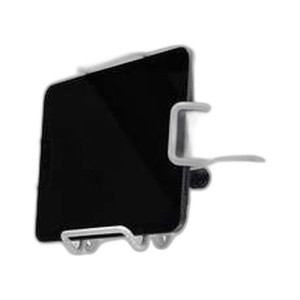
Star Micronics 37954920 mUNITE VESA Mount White
VESA mount bracket for Star Micronics mUNITE label printers
- White VESA-compliant mounting bracket for label printer integration
- Standardized mounting interface for multi-device station install
- Touchscreen-host-compatible printer mount for retail and warehouse
Usually Ships in 2-3 Weeks Free shipping over $499$24.00 $23.99 Save $0.01 -
Save $0.01

Unitech TB170 VESA Mount - 4070-900018G
VESA-pattern mount bracket designed to secure the TB170 mobile computer to standard monitor arms, wall mounts, and desk-mounted fixtures
- VESA-pattern mount bracket for the Unitech TB170
- Connects to monitor arms, wall mounts, and desk fixtures
- Standardized VESA pattern for flexible mounting options
Usually Ships in 2-3 Weeks Free shipping over $499$49.00 $48.99 Save $0.01 -
Save $0.01
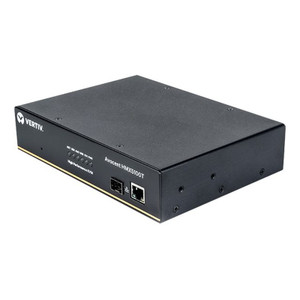
Vertiv 19IN Vesa Mount KIT for 1 HMX 5000/6000 - RMK-83
19-inch VESA rackmount kit designed to securely install a single Vertiv HMX 5000 or HMX 6000 unit into standard server racks
In stock · Ships same business day Free shipping over $499$226.00 $225.99 Save $0.01 -
Save $66.51
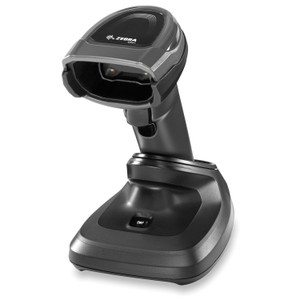
Zebra VESA-AMPC081W-0B Over-the-Monitor Angled VESA Mount
Over-monitor angled VESA mount for Zebra scanners at POS
- Angled over-monitor positioning improves scanner line-of-sight at POS workstations.
- VESA-compatible mount integrates with standard display hardware for straightforward deployment.
- 1-year warranty and U.S. origin support enterprise procurement and serviceability requirements.
Usually Ships in 2-3 Weeks Free shipping over $499$296.50 $229.99 Save $66.51