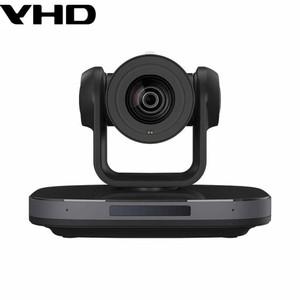
ACTi TAF-CTS-RL500-4K20 4K Rugged Long-Range Thermal and Optical Dual-Sensor Camera System
When perimeter security demands both thermal detection and optical verification across extended distances, deploying separate camera systems creates coverage gaps and integration headaches. The ACTi TAF-CTS-RL500-4K20 combines a radiometric thermal sensor with a 4K optical camera in a single ruggedized housing, delivering simultaneous heat signature detection and visual identification for critical infrastructure, industrial facilities, and remote site monitoring where environmental conditions challenge conventional surveillance.
Key Features
- Dual-sensor design integrates thermal imaging and 4K optical camera for comprehensive threat detection and visual verification in a single deployment point
- Radiometric thermal sensor enables temperature measurement and heat-based intrusion detection regardless of lighting conditions or visual camouflage
- 4K resolution optical sensor provides detailed identification imagery for post-event investigation and real-time monitoring
- Long-range lens configuration optimized for perimeter applications requiring detection and recognition at extended distances
- Ruggedized enclosure engineered for harsh environmental deployment including temperature extremes and weather exposure
- Synchronized thermal and optical streaming simplifies VMS integration and reduces network infrastructure requirements compared to separate camera installations
- Advanced analytics leverage thermal data for reduced false alarms from vegetation movement, shadows, and lighting changes that plague optical-only systems
The TAF-CTS-RL500-4K20 addresses the fundamental challenge in critical perimeter security: thermal sensors excel at detection but lack identification detail, while optical cameras provide clarity but fail in darkness and adverse weather. This integrated approach eliminates the coverage gaps and timing delays inherent in separate sensor deployments. The radiometric capability adds measurable value for industrial applications requiring temperature monitoring alongside security functions—think transformer yards, tank farms, or data center exterior monitoring where thermal anomalies indicate equipment issues before failure.
Installation planning benefits from the single-point-of-installation model. Instead of coordinating mounting positions, network drops, and VMS licenses for two separate cameras, you're running one cable to one position with one configuration process. The synchronized data streams maintain temporal alignment between thermal alerts and optical verification, critical for security operations center workflows. For integrators managing large perimeter projects where every pole position matters, this consolidation translates directly into reduced material costs, faster deployment schedules, and simplified ongoing maintenance.