Comnet SFP-39WIS 100Mbps Single-Mode SFP Transceiver
Overview
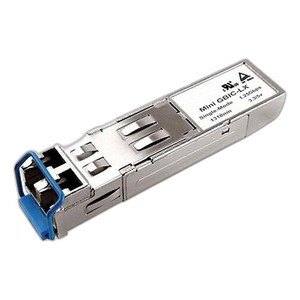
The Comnet SFP-39WIS is a 100 Mbps single-mode SFP transceiver operating at 1310 nm, engineered to deliver reliable long-distance fiber connectivity across surveillance and critical infrastructure networks. With a maximum transmission distance of 10 km over single-mode fiber, the SFP-39WIS (often searched as SFP 39WIS) bridges geographically dispersed camera arrays, network video recorders, and control centers without the distance penalties of multimode fiber or copper cabling. MSA compliance and Cisco compatibility mean it integrates directly into standard fiber switching infrastructure without proprietary adapters or firmware modifications.
Key Features
- 1310nm single-mode wavelength: Minimizes modal dispersion over long distances—critical when your camera clusters are separated by kilometers. Single-mode fiber keeps signal integrity intact across 10 km runs where multimode would introduce timing errors and frame loss.
- 10 km maximum path length: Covers regional campus networks, inter-building surveillance backhaul, and distributed sensor deployments without intermediate regeneration. Useful for parking structures, warehouse complexes, or remote site feeds bundled back to a central NVR.
- -9.5 dBm transmit power with ≤20 dBm receive sensitivity: Optical loss budget of 10.5 dBm handles real-world fiber runs with splices, connectors, and aged cable without aggressive signal conditioning. Plan for approximately 0.35 dB/km of fiber loss plus connector/splice margins, leaving headroom for installation uncertainties.
- LC duplex connector: Industry-standard fiber termination; LC leads are compact and require less panel real estate than SC connectors. Pair with standard LC patch cords and cassettes in your switching fabric—no special cabling.
- DDM (Digital Diagnostic Monitoring): Real-time monitoring of transmit power, receive power, module temperature, and supply voltage via SNMP or serial console. Catch fiber breaks, bend-induced loss, or transceiver drift before your recorder loses feed—especially valuable in unmanned remote sites where physical inspection is costly.
- MSA compliance and Cisco compatibility: Plugs into any standard SFP cage without vendor lock-in. Works with Cisco Catalyst, Meraki switches, and OEM fiber modules—validation against your specific platform recommended but not required.
- Wide operating temperature range (-40°C to +75°C): Handles unheated equipment closets, outdoor cabinets, and solar-powered remote shelters without thermal derating or condensation risk. Storage rated to +85°C covers seasonal extremes in sealed enclosures.
- Two-fiber LC duplex configuration: Separate transmit and receive fibers reduce cross-talk and simplify bidirectional communication. Standard for surveillance backhaul where control and video travel on the same pair.
Integration & Compatibility
Insert the SFP-39WIS into any standard SFP cage on your surveillance network switch—Cisco, Juniper, Comtech, or vendor-agnostic switches all support MSA-compliant modules. Pair with single-mode patch cable (OS1/OS2 rated) terminated in LC connectors; verify your fiber plant supports 1310 nm wavelength (most modern installations do). DDM telemetry feeds into SNMP-enabled network management platforms or direct serial polling for basic health checks. No special driver or firmware update required for MSA compliance—physical insertion and link negotiation are automatic.
Frequently Asked Questions
Q: What fiber type does the SFP-39WIS require?
A: Single-mode fiber (OS1 or OS2 per IEC 60793-2-50). Multimode fiber will not work; the 1310 nm wavelength and single-mode optics are designed specifically for long-distance, low-dispersion runs. Confirm your fiber plant documentation before ordering patch cables.
Q: Can I mix the SFP-39WIS with multimode SFP modules on the same switch?
A: Yes. Each SFP cage is independent. You can run single-mode on one port and multimode on another, provided your fiber infrastructure supports each. However, do not attempt to connect a single-mode SFP directly to a multimode fiber strand—optical loss will be severe and link will not establish.
Q: Does the SFP-39WIS support hot-swap insertion?
A: Yes, provided your switch firmware supports hot-swappable SFPs (standard on modern platforms). Power down is not required. Simply remove the old module and insert the new one; link negotiation occurs within seconds.
Q: What does the 10.5 dBm optical loss budget mean for my installation?
A: It is the difference between transmit power (-9.5 dBm) and receiver sensitivity (-20 dBm). Typical single-mode fiber loses approximately 0.35 dB per km, plus 0.5 dB per connector and 0.1 dB per splice. A 10 km run (~3.5 dB) plus four connectors (~2 dB) and two splices (~0.2 dB) consumes about 5.7 dB, leaving 4.8 dB safety margin. Older or bent fiber may consume more; consider professional fiber testing if link budget is tight.
Q: Is DDM mandatory to use the SFP-39WIS?
A: No. The module operates as a passive optical transceiver regardless. DDM is optional telemetry—use it if your management platform supports SNMP polling, or ignore it if you prefer manual link-state monitoring via switch port status LEDs.
Q: Will the SFP-39WIS work in sub-zero outdoor cabinets?
A: Yes. The operating temperature range extends to -40°C. Ensure your mounting cabinet has adequate ventilation to prevent condensation during temperature swings, and confirm the switch itself operates in that range (some chassis have narrower specs than the SFP).
I've deployed the Comnet SFP-39WIS across several multi-site surveillance networks, and the 10 km single-mode reach is the real enabler here. When your camera clusters are separated by 3–8 km of fiber—say, a warehouse campus or regional parking structure network—this module eliminates the need for costly intermediate switches or analog extenders. The -9.5 dBm transmit power paired with -20 dBm receiver sensitivity gives you a realistic 10.5 dBm loss budget that handles real-world splices and connectors without aggressive fiber conditioning.
Technical Highlights:
- 1310 nm single-mode wavelength: Modal dispersion is virtually eliminated over 10 km—you maintain consistent frame timing and zero packet loss that multimode simply cannot guarantee at distance. This matters for synchronized video playback across distributed NVRs or redundant recording feeds.
- Optical loss budget 10.5 dBm: With single-mode fiber at ~0.35 dB/km (3.5 dB for 10 km) plus ~0.5 dB per LC connector and ~0.1 dB per splice, a typical run consumes 5.7–6.2 dB, leaving 4–5 dB margin. That margin protects against aged fiber, tight bends during splicing, and seasonal temperature shifts that degrade performance by 0.5–1 dB.
- DDM (Digital Diagnostic Monitoring): Real-time telemetry on transmit/receive power and module temperature catches fiber breaks or bend-induced loss before your security team notices the video drop. SNMP polling into your NOC gives early warning—invaluable for unmanned remote sites.
- LC duplex connectors: Industry standard; no special termination skills required. Patch cables are commodity items at any network supply house, and LC takes less panel real estate than SC if your switch density is tight.
Deployment Considerations:
- Verify your fiber plant is single-mode (OS1/OS2). If your site has older multimode runs, the SFP-39WIS will not work; you'd need a multimode 850 nm transceiver instead. This is not a reversible mistake in the field.
- The -40°C to +75°C operating range is wide, but unheated outdoor cabinets in cold climates can drop below -40°C on severe winter nights. If you're in a region with sub-40°C extremes, confirm your enclosure heating or switch to an industrial-rated variant with extended temperature specs.
- DDM requires SNMP-capable management infrastructure. If you're using a passive switch or have no network monitoring, you lose visibility into transceiver health. Link-state LEDs alone won't catch slow signal degradation.
Deploy the SFP-39WIS in regional surveillance backhaul where 10 km single-mode fiber connects geographically dispersed NVRs or where you're consolidating camera feeds from multiple buildings into a central security operations center. It's the right choice when you want fiber's distance advantage without the complexity of regenerators or wavelength multiplexing.