Comnet SFP-42 1000Mbps Single-Mode SFP Transceiver
Overview
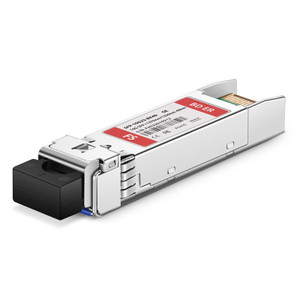
The Comnet SFP-42 is a 1000 Mbps (1GbE) small form-factor pluggable transceiver designed for long-distance fiber links in surveillance and access control networks. Operating at 1310nm wavelength over 2-fiber single-mode cabling, the SFP-42 delivers reliable data transmission at distances up to 40 kilometers—a critical capability for facilities where camera sites, access control hubs, or network nodes are geographically distributed. The module is MSA (Multi-Source Agreement) compliant and fully compatible with Cisco equipment, meaning it drops into standard SFP slots without proprietary workarounds. Support for DDI (Device Diagnostics Interface) and DOM (Digital Optical Monitoring) enables remote fault detection and signal-quality trending—so you can troubleshoot a failing link from your NOC instead of driving to a remote antenna tower.
This is the right choice when fiber infrastructure already exists or when you need to extend Ethernet connectivity beyond copper's 100-meter limit without deploying new fiber pairs.
Key Features
- 1000 Mbps Data Rate: Standard 1GbE speed allows you to saturate a surveillance NVR uplink or consolidate multiple camera feeds over a single fiber pair without bandwidth bottleneck. Sufficient for 24/7 H.265 streams from 20–30 mid-resolution IP cameras, depending on bitrate tuning.
- 40km Single-Mode Range: The 1310nm wavelength over single-mode fiber (typically OS2) reaches 40 kilometers—far exceeding multimode distances. Deploy cameras at remote substations, outdoor venues, or warehouse perimeter zones without intermediate repeaters or additional network hardware.
- LC Connector (2-Fiber): Standard LC duplex connectors are industry-standard in modern fiber infrastructure. Two-fiber operation means bi-directional communication on separate wavelengths (1310nm TX / 1550nm RX or equivalent)—so one fiber pair carries your full-duplex Ethernet link without additional cabling complexity.
- MSA Compliance & Cisco Compatibility: Adherence to Multi-Source Agreement specifications guarantees interoperability with standard SFP slots on Cisco switches, Comnet fiber converters, and third-party network equipment. No vendor lock-in; the SFP-42 works in any MSA-compliant port.
- DDI and DOM Support: Digital Optical Monitoring allows the transceiver to report real-time metrics—received optical power, transmit power, temperature, and bias current—back to your management system. This transforms passive fiber links into monitored infrastructure: catch a degrading signal before a camera feed drops.
- Industrial Surveillance-Grade Reliability: Rated for the temperature and vibration demands of outdoor and distributed surveillance networks. Operates over extended temperature ranges and handles the electrical noise typical of access-control and video transmission environments.
Integration & Compatibility
The SFP-42 installs into any SFP slot on network switches, Comnet fiber media converters, or surveillance-grade network appliances that support 1310nm single-mode transceivers. Because it is MSA-compliant, you are not limited to Comnet hardware—it works identically in Cisco Catalyst switches, Juniper EX series, and other enterprise-class platforms. DDI/DOM telemetry integrates with standard SNMP monitoring tools, allowing your NOC staff to view link status alongside other network KPIs.
For long-distance fiber runs (10+ km), ensure your cabling plant includes OS2 single-mode fiber rated for telecommunications use. Multimode fiber (OM3/OM4) will not work at full 40km range. If you're running fiber for the first time, consult a licensed fiber contractor for termination and testing—proper connector polish and cleanliness are non-negotiable for Gigabit operation.
What's in the Box
Exact package contents were not specified in available documentation. Contact the manufacturer or your supplier directly for a full list of included items and any optional accessories (such as dust plugs, LC caps, or mounting hardware).
Frequently Asked Questions
Q: Does the SFP-42 work with non-Cisco switches?
A: Yes. The SFP-42 is MSA-compliant, meaning it meets the standard that allows SFP transceivers to work across different vendors' equipment. It will function in any SFP slot that supports 1310nm single-mode modules, including Juniper, Arista, Dell, and generic third-party switches.
Q: What is the maximum fiber distance at 1 Gbps?
A: 40 kilometers over OS2 single-mode fiber. This assumes properly terminated and tested cabling. Longer distances may be possible in lab conditions, but 40km is the rated operational limit for reliable surveillance-grade performance.
Q: Can I use multimode fiber instead of single-mode?
A: No. The SFP-42 is designed for single-mode fiber (OS2). Multimode fiber (OM3/OM4) will cause signal degradation and loss of the full 40km range. A different transceiver (multimode-capable SFP) would be required for OM-based infrastructure.
Q: What does DOM/DDI support mean for my network?
A: DOM (Digital Optical Monitoring) allows the transceiver to measure and report optical signal strength, temperature, and bias current in real time. DDI extends this with device diagnostics. Your monitoring software or SNMP agent can poll these metrics, alerting you to signal degradation before a link fails—invaluable for detecting dirty connectors or fiber microbends.
Q: Is there a warranty on the SFP-42?
A: Warranty information was not provided in available product documentation. Contact the manufacturer directly for warranty terms and coverage details.
Q: How do I know if my fiber run is long enough to require a 40km transceiver?
A: If your surveillance or access-control cabling run exceeds 2–3 km, or if you're unsure, consult with your fiber contractor or network engineer. A site survey will confirm distance and recommend the appropriate transceiver wavelength and distance rating.
The SFP-42 is the fiber transceiver I reach for when a surveillance or access-control deployment spans 15–40 kilometers. The 1310nm wavelength over single-mode is proven in long-haul telecommunications, and Comnet's implementation with DDI/DOM support means you get real-time optical diagnostics—something passive fiber media converters can't offer. The MSA compliance is critical; it eliminates the risk of buying a proprietary module that only works in Comnet chassis.
Technical Highlights:
- 1000 Mbps over 40 km: OS2 single-mode fiber at 1310nm delivers proven long-distance performance without amplifiers or regenerators. Ideal for remote camera sites or distributed access-control hubs where running new fiber is the cheapest option.
- DDI/DOM Telemetry: Real-time monitoring of transmit/receive optical power and transceiver temperature allows you to spot a failing link—dirty connector, micro-bends, or aging laser—before it drops traffic. SNMP integration means alerts land in your monitoring dashboard.
- Cisco & MSA Interoperability: The SFP-42 drops into any MSA-compliant SFP slot. No vendor lock-in; use it in a Cisco switch one year and migrate it to a Juniper appliance the next.
Deployment Considerations:
- Single-mode fiber (OS2) is non-negotiable. If the existing fiber plant is multimode (OM3/OM4), you'll need a different transceiver entirely—this one will underperform and won't reach 40 km.
- LC connector polish and cleanliness matter at Gigabit speeds. A dusty or scratched endface will degrade signal and render DOM readings unreliable. Budget for professional termination and fiber certification testing if the run is new.
Deploy the SFP-42 in backbone links connecting remote surveillance zones to a central NVR or access-control server across campus fiber. It's the right transceiver when distance, reliability, and monitoring visibility all matter—not the cheapest option, but the one you'll trust to stay up.