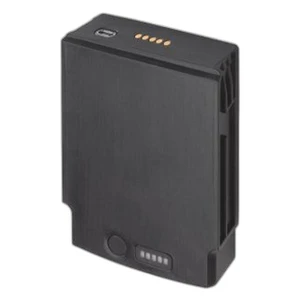
Zebra BTRY-ET5X-8IN5-01 Internal Battery for ET51/ET56 Tablets
Overview
The Zebra BTRY-ET5X-8IN5-01 is a direct-fit internal battery replacement for Zebra ET51 and ET56 8-inch rugged Android mobile computers. This is a wear item — lithium-ion batteries degrade with charge cycles, typically reaching 80% capacity after 500–1000 cycles depending on usage patterns and ambient temperature. When your ET51 or ET56 no longer sustains a full shift in the field, swapping the internal battery restores design-spec runtime without replacing the entire device, extending the effective lifecycle of your tablet investment by 3–5 years in typical warehouse and logistics environments. Installation requires standard technician procedures; refer to the device service documentation for battery replacement protocols and safety precautions.
Key Features
- Direct replacement for ET51 and ET56 platforms. The BTRY-ET5X-8IN5-01 is engineered to exact OEM specifications, ensuring mechanical fit, electrical compatibility, and safety certification parity with factory batteries. No integration surprises or adapter workarounds.
- Internal configuration. Because the battery sits inside the device chassis, it's protected from physical damage, moisture, and temperature swings that would compromise an external pack. This design choice is critical in warehouse environments where tablets get jostled, exposed to temperature differentials between climate-controlled offices and freezer aisles, and occasionally splashed.
- Lithium-ion chemistry. Modern Li-ion cells hold charge density far higher than older NiMH or NiCd formulations, meaning the BTRY-ET5X-8IN5-01 doesn't add bulk or weight compared to older battery generations. This directly supports your field workforce — operators don't notice a performance penalty for extended runtime.
- Thermal management integration. The ET51 and ET56 chassis include thermal vents and sometimes active cooling pathways that work with the battery's thermal profile. Substituting non-OEM batteries risks overheating, shortened lifespan, and potential safety hazards. The BTRY-ET5X-8IN5-01 respects these design tolerances.
- Warranty and safety certification. OEM batteries carry manufacturer support and UL/CE approvals. Third-party or refurbished alternatives often lack documented safety testing, creating compliance and liability exposure in fleet deployments. When auditors ask for battery certification, you have it.
- Cost-effective lifecycle management. Battery replacement is significantly cheaper than device replacement. For tablets in high-utilization roles (picking, receiving, cycle counting), budgeting for one or two battery swaps per device over a 5-year ownership window is a standard cost-of-ownership calculation.
Integration and Compatibility
The BTRY-ET5X-8IN5-01 is compatible exclusively with Zebra ET51 and ET56 models. Installation requires opening the device chassis, disconnecting the old battery, and seating the new one — a procedure requiring basic tools and ESD discipline. Before performing battery replacement, ensure your device firmware is current; outdated firmware can sometimes misreport battery health or fail to recognize a newly installed cell. Consult the ET51 or ET56 service bulletin for step-by-step removal and installation guidance. After installation, boot the device and allow the battery management subsystem to calibrate for 1–2 charge cycles before full deployment.
If you operate a large ET51/ET56 fleet, consider stocking spare BTRY-ET5X-8IN5-01 units proportional to device count — a common practice is one spare battery per 3–5 deployed tablets, rotating them in during maintenance windows to minimize downtime.
Frequently Asked Questions
Q: How do I know when the battery in my ET51 or ET56 needs replacement?
A: Typical signs include noticeably shorter runtime compared to when the device was new (dropping from 12+ hours to 4–6 hours on a single charge), the device shutting down unexpectedly even when the battery indicator shows 20–30% charge remaining, or the device refusing to boot until plugged in. Battery health tools in the device settings may also report reduced capacity.
Q: Can I install the BTRY-ET5X-8IN5-01 myself?
A: If you have basic technical competency and the proper service documentation, yes. However, lithium-ion battery replacement requires care to avoid short circuits, physical damage, or improper seating. If you're uncomfortable opening the device or lack the service manual, have an authorized technician perform the swap. This is especially true if the device is still under active support contract.
Q: Will using a non-Zebra battery save money?
A: Possibly in the short term, but third-party or aftermarket batteries often lack UL certification, carry no warranty, and may not integrate properly with the ET51/ET56 power management firmware. The risk of device damage, shortened battery life, or failure in the field — particularly in 24/7 or mission-critical operations — usually outweighs modest upfront savings.
Q: How long does the BTRY-ET5X-8IN5-01 last before it needs replacing again?
A: Lithium-ion batteries typically reach 80% of their original capacity after 500–1000 complete charge cycles. In a warehouse setting where tablets charge nightly, that translates to 1.5–3 years of normal use. Heavy use (constant operation with frequent partial discharge/recharge cycles) may shorten that window.
Q: Should I replace the battery before it fails, or wait until runtime becomes unacceptable?
A: Preventive replacement is common practice in fleet operations. If you track battery health and notice consistent decline, scheduling replacement during a planned maintenance window prevents unexpected device failures in the field. For mobile computers in picking or receiving roles, even a few hours of lost runtime can impact daily throughput.
Ted PerryPerspective based on aggregated IP Security Depot and affiliated engineering team experience.
The BTRY-ET5X-8IN5-01 is a straightforward wear-item replacement, but it's the right choice only if you're committed to OEM battery discipline across your ET51/ET56 fleet. I've watched operations cut corners with non-certified alternatives and regretted it — unexpected shutdowns in a cold storage environment or a device refusing to charge can grind a warehouse to a halt faster than the savings justify.
Technical Highlights:
- Lithium-ion internal cell: Delivers the same charge density and runtime profile as the factory battery, so your field operators see no loss of usable uptime after replacement — critical in logistics where a 2-hour runtime loss translates to incomplete shifts or missed delivery windows.
- Direct mechanical and electrical compatibility: Because the BTRY-ET5X-8IN5-01 is designed to OEM spec, there's no firmware patching, no power management recalibration, and no risk of the device refusing to recognize the battery — plug it in and it works as the device expects.
- Thermal integration with ET51/ET56 chassis design: The ET51 and ET56 have specific thermal management pathways built around OEM battery dimensions and heat dissipation characteristics. Aftermarket batteries that deviate in form factor or thermal conductivity can create hot spots, reducing lifespan and risking safety issues in edge cases.
Deployment Considerations:
- Battery replacement requires chassis opening and basic hand tools — budget 15–30 minutes per device if you're doing it in-house. If your fleet is large, training a technician to do batch replacements during scheduled maintenance windows is far more cost-efficient than paying service calls for one-off swaps.
- Watch for the firmware calibration window: after a fresh battery install, the device's power management subsystem needs 1–2 complete charge cycles to accurately report battery health and remaining runtime. Don't panic if capacity reporting looks odd on the first charge.
The BTRY-ET5X-8IN5-01 is the right path when your ET51 or ET56 tablets are still operationally solid but battery degradation is starting to compress your shift runtime. For warehouse automation and logistics operations where mobility and uptime are tightly coupled, a $100–150 battery replacement beats a $2000–3000 device refresh by a wide margin.