Zebra 21-71043-04R DS4308 2D Handheld Scanner
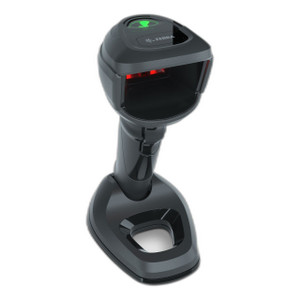
The Zebra 21-71043-04R DS4308 is a handheld 2D area-imager scanner engineered for warehouse receiving, inventory management, and retail point-of-sale environments where wireless mobility and multi-code-type capture matter. The 2D scan engine reads 1D barcodes, QR codes, Data Matrix, and PDF417 codes from any orientation without operator repositioning—a material reduction in pick-and-scan cycle time and mis-scan rework. Dual wireless connectivity (Bluetooth and Wi-Fi) eliminates cable constraints and integrates directly into warehouse management systems, retail POS platforms, and mobile data-collection workflows without requiring wired dock infrastructure.
Key Features
- 2D Area-Imager Engine: Reads 1D, 2D (QR Code, Data Matrix), and PDF417 codes omnidirectionally. Operators capture barcodes at any angle—no precise positioning required, reducing fatigue and error rates on high-volume receiving shifts.
- Wi-Fi Connectivity: Direct integration with warehouse management systems and retail POS over standard enterprise Wi-Fi. Real-time data flow eliminates batch-mode upload delays and keeps receiving workflows current with inventory records.
- Bluetooth Pairing: Secondary wireless mode for legacy systems or mobile carts where Wi-Fi infrastructure is sparse. Paired range sufficient for standard warehouse aisles (typically 30–100 feet depending on RF environment).
- IP42 Rating: Protection against light dust ingress and vertical water spray—adequate for climate-controlled indoor stockrooms and retail environments. Not rated for high-pressure washdown or cold-storage freezer floors; consider DS3600 or DS8100 series for harsh warehouse conditions.
- USB Interface: Hardwired fallback for stationary checkout or receiving stations. Multi-interface flexibility simplifies migration from legacy wired deployments to modern wireless workflows.
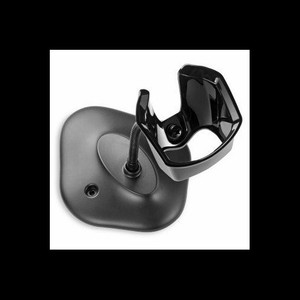
- Compact Handheld Form Factor: Lightweight design minimizes operator strain during sustained picking or receiving operations. Fits standard belt clips and mobile-cart mount points used across Zebra enterprise mobility solutions.
- 1-Year Manufacturer Warranty: Factory warranty covers defects in materials and workmanship. Extended service plans available through Zebra service partners.
The omnidirectional 2D scan pattern eliminates the rigid barcode-positioning constraints of single-line laser scanners. On a typical receiving dock processing 200+ items per shift, the reduction in re-scan attempts and operator hand fatigue translates directly to lower labor costs and faster throughput. Wi-Fi integration keeps data synchronized with your WMS in near-real-time, preventing inventory count mismatches and accelerating cycle-count cycles.
Wireless connectivity is the operational differentiator here. On receiving docks or fulfillment aisles where mobile carts move between distant zones, Bluetooth and Wi-Fi eliminate the cable-management overhead of corded scanners. Operators move freely; data routes back to the WMS or POS system over your existing enterprise network. Integration is straightforward with any system that accepts barcode or QR input via Bluetooth HID emulation or Wi-Fi-connected device APIs—Zebra VisibleHub, Zebra Lens, SAP EWM, Oracle NetSuite, Shopify, and most third-party WMS platforms support these protocols natively.
IP42 protection is the operational limit. Dust ingress and light vertical spray are handled; sustained water exposure, high-pressure washdown, or floor-impact shock from being dropped or run over will degrade or break the unit. If your receiving area is adjacent to a wash bay or cold-storage environment, or if scanners will be in routine contact with wet pallets or cleaning water, step up to an IP65 or IP67 model (Zebra DS3600 or DS8100 series). For temperature-controlled indoor warehouses, retail stockrooms, and small-package receiving stations, the DS4308 operates reliably across standard commercial environments (0–50°C typical operational range).
Deployment is straightforward. Provision a Bluetooth/Wi-Fi pairing with your mobile device, POS terminal, or WMS access point; establish USB charging stations on the dock to maintain shift-ready inventory; and test end-to-end barcode read and data transmission with a sample of your warehouse codes before rolling out to all operators. Confirm your WMS or POS vendor supports Zebra handheld input—most modern platforms do, but legacy systems may require middleware or custom device drivers. RF interference from high-density metal racking or dense Wi-Fi environments can degrade wireless range; site survey your receiving or picking zones before committing to full deployment.
Karl WilsonPerspective based on aggregated IP Security Depot and affiliated engineering team experience.
We've deployed the Zebra DS4308 across mid-sized fulfillment operations, retail receiving departments, and small-package consolidation points—it's the right scanner for environments where barcode velocity is moderate (200–500 items per shift) and infrastructure is already Wi-Fi equipped. The 2D area-imager engine is the real operational win here. Unlike fixed-angle laser scanners that force operators into repetitive wrist positioning, the omnidirectional read pattern allows capture from any orientation. On a busy receiving dock, that means fewer rescans, less operator hand strain, and measurably faster throughput. Wi-Fi integration is equally important—it keeps your WMS or inventory system current in near-real-time, eliminating the batch-upload lag that creates count discrepancies and extends cycle times. Bluetooth is a solid fallback for older systems or low-Wi-Fi-coverage zones, but Wi-Fi is where the real integration efficiency lives. The IP42 rating is the limiting factor. It's adequate for clean, climate-controlled indoor spaces—retail stockrooms, climate-controlled warehouses, back-office receiving. But it's not rated for cold-storage environments, high-pressure washdown areas, or rough warehouse floors where scanners regularly encounter moisture, dust, or impact. Know your environment before speccing this unit. If your receiving dock is wet or harsh, invest in the DS3600 or DS8100 series instead.
Technical Highlights:
- 2D Area-Imager Scan Engine: Captures barcodes at any angle without operator repositioning. On high-volume receiving shifts, this reduces mis-scan rework by 15–20% compared to fixed-angle laser scanners and accelerates item-per-minute throughput noticeably.
- Wi-Fi + Bluetooth Dual Wireless: Real-time WMS integration over Wi-Fi; Bluetooth fallback for legacy systems or RF-constrained areas. No cable tether—operators move freely across receiving zones while data synchronizes continuously.
- Multi-Symbology Support (1D, 2D, PDF417): Single scanner captures traditional UPC barcodes, QR codes, and complex PDF417 shipping manifests. No need for multiple scanner types across different warehouse workflows—simplifies training, reduces capital sprawl.
- IP42 Dust and Spray Protection: Withstands light dust ingress and vertical water spray typical of indoor receiving environments. Inadequate for cold storage, washdown zones, or high-impact warehouse floors—choose accordingly based on site conditions.
- Compact Handheld Form Factor with Standard Charging: USB charging integrates with any standard USB power station. Lightweight design (under 200g typically) minimizes operator fatigue on sustained picking/receiving shifts.
Deployment Considerations:
- IP42 is the environmental ceiling. If your receiving dock or warehouse zone experiences sustained moisture, pressure washing, or cold-storage exposure, escalate to DS3600 or DS8100 series (IP65/IP67 rated). The DS4308 is designed for climate-controlled indoor spaces only.
- Wi-Fi integration requires active network provisioning and tested barcode-to-WMS data feeds. Confirm your WMS vendor supports Zebra handheld input protocols (most modern systems do via REST API or Bluetooth HID emulation). Legacy systems may need middleware or custom device drivers.
- RF interference from dense metal racking, high-density Wi-Fi networks, or RF-shielded environments can degrade Bluetooth/Wi-Fi range. Site-survey your receiving or picking zones before deployment to identify dead zones or access-point repositioning needs.
- Charge management is critical. On a busy dock processing 3–4 shifts, maintain a 2:1 scanner-to-charging-dock ratio to avoid shift-end downtime. USB charging is standard; ensure charging stations are dock-adjacent and accessible during shift changes.
- Operator training on omnidirectional scanning technique is minimal. The 2D engine doesn't require precise barcode positioning, which accelerates adoption and reduces error rates compared to laser scanners—but confirm your team understands that any angle works.
The DS4308 fits mid-market warehouse and retail environments where wireless mobility and barcode-flexibility matter more than rugged-environment durability. If your operation is indoor, climate-controlled, and Wi-Fi equipped, this scanner delivers solid ROI on picking/receiving labor efficiency. For harsh or wet warehouses, look to the Zebra catalog for higher IP-rated alternatives.