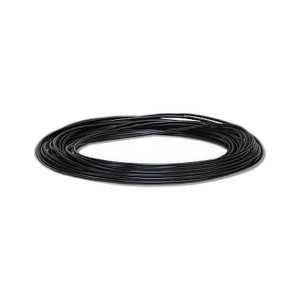
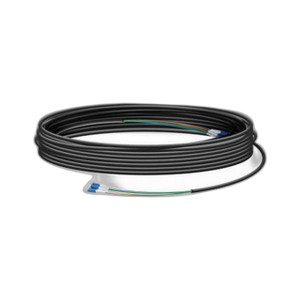
Ubiquiti FC-SM-100 Single Mode Fiber Optic Cable
Overview
The Ubiquiti FC-SM-100 is a 100-foot single mode fiber optic cable engineered for long-distance backbone and carrier-grade network deployments where distance and signal integrity matter. Unlike multimode fiber, which degrades over distance, single mode fiber maintains signal quality over kilometers with minimal attenuation — a critical advantage when you're bridging campus segments, interconnecting distributed surveillance systems, or supporting high-bandwidth applications across extended spans. The cable terminates with LC connectors on both ends, the industry standard for single mode installations.
Key Features
- 100-Foot Length (30.5 Meters) — Standard backbone run length balances practicality with the distance advantages of single mode fiber. Eliminates the need for intermediate repeaters in most enterprise campus deployments.
- Single Mode Fiber — Designed for long-distance transmission. Single mode propagates a single light path, dramatically reducing modal dispersion. Result: you maintain signal strength over 10+ kilometer distances, compared to multimode's typical 2-kilometer limit. Meaningful when you're running backbone links across industrial parks, warehouse clusters, or campus perimeters.
- LC Connectors (Male, Both Ends) — LC is the compact standard for fiber infrastructure. Small form factor means higher port density on patch panels and switches. Both ends terminate identically, simplifying field installation and reducing connector mismatch errors.
- Black Jacket — Standard cable color aids identification in congested equipment racks and minimizes confusion during maintenance.
- Ubiquiti Ecosystem Integration — Works with any Ubiquiti fiber-enabled network equipment (switches, optical modules, SFP+ interfaces) that supports LC single mode connections. Also compatible with third-party infrastructure using standard LC single mode interfaces — not proprietary.
- Enterprise Backbone Application — Suitable for managed switching environments, optical transport systems, and network backhaul installations where single mode performance and distance are non-negotiable. Particularly valuable in surveillance deployments requiring centralized NVR connectivity across multiple buildings.
Integration & Compatibility
The FC-SM-100 integrates with managed network switches equipped with LC single mode SFP or SFP+ modules, as well as third-party optical transport gear. Confirm your switch or transceiver supports single mode (not multimode) operation before ordering. LC connectors are standardized; this cable is not locked to any single vendor. Works in managed switching environments, carrier-grade deployments, and enterprise network backhaul installations.
When to Choose a Different Option
If your run is under 100 feet and cost is the priority, multimode fiber cables are considerably cheaper and still deliver adequate performance over shorter distances. If you need a different length, the Ubiquiti fiber cable family includes additional options — consult your network design to confirm total backbone distance before purchasing. If your switch uses ST or SC connectors rather than LC, you'll need an adapter or a different cable type.
Deployment Considerations
Single mode fiber requires proper handling. The core is only 8–10 micrometers in diameter, making it more sensitive to bending losses and dirt than multimode. Use appropriate fiber slack and avoid sharp radius bends during installation. Ensure both ends of the cable are clean before mating to connectors — airborne particles on LC ferrules are a leading cause of signal loss and permanent core damage. If your environment is high-vibration or high-temperature, verify operating specifications with your switch manufacturer before commissioning.
Frequently Asked Questions
Q: Can I use the FC-SM-100 with multimode SFP modules?
A: No. Single mode fiber and multimode fiber are optically incompatible. Attempting to connect them will result in signal loss and link failure. Always confirm your transceiver module is single mode before ordering this cable.
Q: What is the maximum distance this cable can span?
A: The FC-SM-100 is 100 feet (30.5 meters) in length. Single mode fiber technology supports distances well beyond 100 feet — up to 10+ kilometers — but total distance depends on your optical module, switch, and any intermediate equipment. Consult your switch datasheet for maximum single mode run specifications.
Q: Are both connectors the same type?
A: Yes. The FC-SM-100 terminates with LC single mode male connectors on both ends, making it a point-to-point cable. Both ends are identical.
Q: Do I need special tools to install this cable?
A: No special tools are required beyond standard network equipment installation best practices. Ensure the connectors are clean before mating, and avoid sharp bends (minimum bend radius is typically 20mm for single mode). Pre-terminated cables like the FC-SM-100 do not require field termination or fusion splicing.
Q: Is this cable compatible with non-Ubiquiti switches?
A: Yes. The FC-SM-100 uses standard LC single mode connectors and is compatible with any network switch, optical module, or infrastructure supporting LC single mode connections. It is not vendor-locked.
Q: What is the difference between this cable and multimode fiber?
A: Single mode fiber (this product) propagates light in one path, maintaining signal strength over long distances — typically 10+ kilometers. Multimode fiber transmits multiple light paths simultaneously and degrades after 2 kilometers or so. Single mode costs more but is essential for backbone and carrier-grade deployments. Multimode is cheaper and adequate for shorter runs (under 300 meters) in closet-to-closet campus links.
Ted PerryPerspective based on aggregated IP Security Depot and affiliated engineering team experience.
The FC-SM-100 is a straightforward, spec-compliant single mode fiber cable — exactly what you see is what you get. At 100 feet with LC terminators on both ends, it's purpose-built for backbone links where distance and signal fidelity are non-negotiable. The cable itself is passive; its value lies entirely in maintaining optical integrity over long runs where multimode would degrade unacceptably.
Technical Highlights:
- Single Mode Fiber Design: Supports distances beyond 10 kilometers with minimal attenuation. For comparison, multimode fiber starts degrading noticeably past 2 kilometers. If you're bridging separate buildings or campus segments more than a few hundred meters apart, single mode is the only reliable choice.
- 100-Foot Length: Balances practical cable handling against real backbone deployment needs. Long enough to eliminate intermediate repeaters in most enterprise campus deployments; short enough to avoid coiling management headaches. If you need a different length, plan for additional cable runs or spliced segments.
- LC Connectors (Both Ends): LC is the compact standard for modern optical infrastructure. Smaller footprint than SC or ST means higher port density on patch panels. Both ends pre-terminated eliminates field termination labor and the risk of cold splices degrading performance.
Deployment Considerations:
- Single Mode / Multimode Incompatibility: This is a hard boundary. If your switch or optical module is multimode-only, this cable will not work. Always verify transceiver type before committing. Mismatched fiber types result in immediate link failure and signal loss.
- Connector Cleanliness is Critical: Single mode cores (8–10 micrometers) are far more sensitive to dirt and dust than multimode. A single speck on the LC ferrule can cause permanent core damage or signal loss. Deploy with proper connector covers and lint-free cleaning supplies. This is not paranoia — it's standard practice in carrier-grade environments.
- Bend Radius and Installation Discipline: Minimum bend radius for single mode is typically 20 millimeters. Sharp bends introduce bending loss and can permanently degrade the fiber. Plan cable runs with gentle curves and secure slack with proper cable clips — not ties that cinch the jacket.
Best fit: enterprise backbone links, multi-building campus interconnects, and carrier-grade network backhaul where you need signal integrity over 100+ feet and want to avoid the cost and complexity of intermediate repeaters or regeneration equipment. Skip this if you're running under 300 feet of closet-to-closet campus cabling and have budget constraints — multimode fiber will serve adequately at significantly lower cost.